Written By | Evan Sande Ndahura
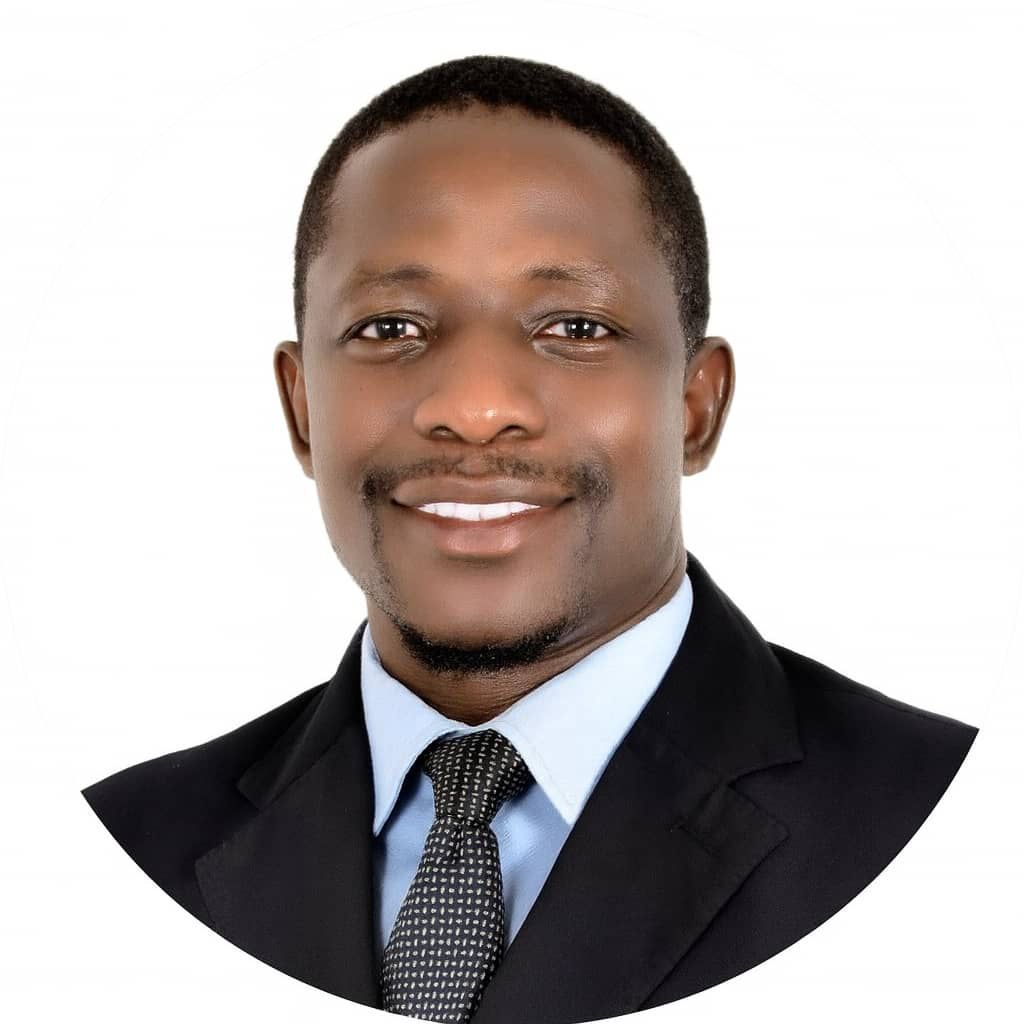
The writer is a Social Commentator | Poet | Pan-African Thought Writer
For many African societies today, religion has become more a source of division than a unifying tree under which all communities can find shade. Historically, spiritual institutions were introduced into Africa under the promise of unity, moral reform, and peaceful coexistence. Instead, they later became instruments that facilitated the scramble for, partition of, and occupation of the continent.
Religion was not brought to Africa because Africans were godless or barbaric. Africa was home to some of the world’s earliest spiritual and philosophical civilizations, including ancient Egypt, whose theological systems influenced later world religions. Africans had moral codes, healing systems, community justice mechanisms, and spiritual intermediaries who treated illness and resolved conflicts. Ironically, many herbal remedies later branded as “witchcraft” were eventually extracted, studied, and transformed into what the modern world now calls pharmaceutical medicine. What missionaries condemned as primitive was later repackaged as science.
The Bible in One Hand, the Gun in the Other
Religion did not arrive alone. It came with political power, economic ambition, and military force. As the Kenyan writer and anti-colonial thinker Ngũgĩ wa Thiong’o famously summarized in a widely quoted African saying:
“When the missionaries arrived, the Africans had the land, and the missionaries had the Bible. They taught us how to pray with our eyes closed. When we opened them, they had the land, and we had the Bible.”
This was not merely spiritual teaching; it was ideological conditioning. While Africans were taught salvation in heaven, their lands, minerals, and labour were seized on earth. Religious institutions helped pacify resistance, promote obedience, and legitimize colonial authority. In this sense, religion functioned not just as faith, but as a technology of governance.
From Spirituality to Social Segregation
Today, religion remains one of the strongest identity markers in African societies—sometimes stronger than national identity itself. Catholics and Protestants compete, Pentecostal churches attack one another for followers, Muslims and Christians often view each other with suspicion, and Orthodox traditions remain isolated within their own structures. This religious segmentation has filtered into:
At institutions such as Makerere University, Kampala International University, and others across the continent, religious associations often replace national or cultural student bodies. Though presented as fellowship, they also reflect fractured social cohesion, where young people grow into adulthood learning to associate first by religion rather than by shared citizenship, academic ideas, or professional aspirations.
Religion and the Politics of Love, Marriage, and Opportunity
Religion has not only divided institutions; it has divided families and hearts.
Across many African communities, particularly where strict religious codes dominate social life, interfaith relationships are discouraged or forbidden. Young people lose partners, careers, and even family support because faith identity is placed above human connection. In some traditions, daughters are denied marriage to men they love solely because of religious difference, and conversion becomes a condition—not of belief, but of social acceptance. Religion, which should guide personal conscience, thus becomes a gatekeeper of social mobility.
Religious Conflict and the Cost in Human Lives
Across Africa and the world, religion has repeatedly aligned with violence. Nations have fought religious wars, communities have burned each other’s homes, and innocent people have been killed in places meant for worship.
In Africa alone:
Globally, historians record dozens of major wars with religious foundations, from the Crusades to modern sectarian conflicts. While political and economic motives often lie beneath, religion becomes the banner under which violence is morally justified.
Interrogating the Religious Myths
Much religious conflict rests on absolute claims to truth grounded in historical narratives that are themselves contested.
Scholars generally agree that:
This does not invalidate faith, but it reveals that religious stories are filtered through culture, power, and political history. When people fight over narratives that are themselves historically complex, conflict is built on assumptions rather than shared human reality.
Religion as an Imported Identity Crisis
Perhaps the deepest problem is this: foreign religions did not simply bring new gods; they redefined African self-understanding. Spiritual systems that once emphasized community balance were replaced with doctrines prioritizing individual salvation, obedience to authority, and rigid moral hierarchies.
Instead of reinforcing African unity, religion often reinforced colonial borders, ethnic suspicion, and social stratification. The result is a continent where people pray to the same Creator yet distrust one another in daily life.
One Creator, Many Paths
At the end of every doctrine, scripture, and sermon lies the same moral message: justice, compassion, humility, and responsibility to others. No religion owns God. No community has a monopoly on righteousness.
Africa cannot heal while faith continues to be used as:
True spirituality must rebuild African humanism—respect for life, dignity, and shared destiny. Without this, churches and mosques will continue to multiply, but unity will remain scarce.
About the Writer
Evan Sande Ndahura is a Ugandan social commentator, poet, and political thought writer whose work focuses on African identity, post-colonial power structures, social justice, and cultural sovereignty. His articles critically examine governance failures, economic dependency, modern slavery, religious politics, and youth marginalization in contemporary Africa. Through both poetry and investigative opinion writing, Ndahura challenges inherited colonial narratives and calls for African intellectual self-definition. His work has appeared in independent publications, social policy forums, and civic discussion platforms, where he is known for blending historical critique with grassroots social realities.



