Written By | Staff Writer
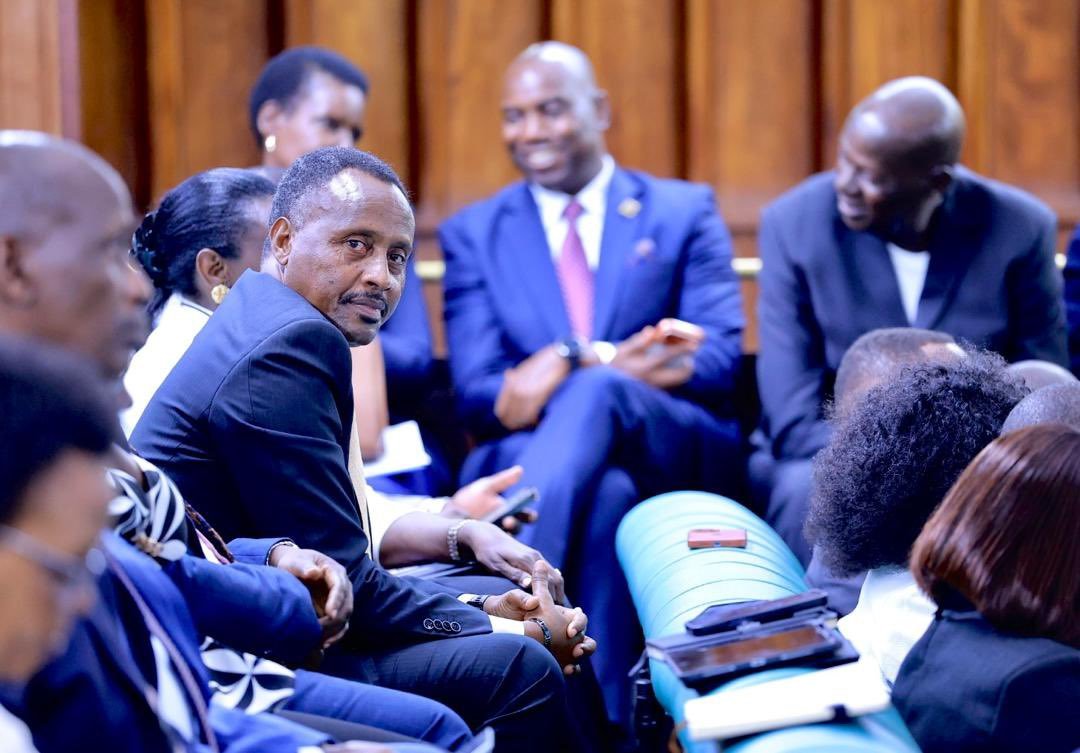
Budget Committee Chairperson Amos Kankunda told Parliament that Uganda presented five supplementary budgets in 2025 alone, amounting to 3.2 percent of Gross Domestic Product (GDP).
KAMPALA
Parliament has raised concerns over Uganda’s use of supplementary budgets, rising debt-service costs and gaps in the country’s fiscal rules, as legislators considered the new Charter of Fiscal Responsibility for the financial years 2026/27 to 2030/31.
Budget Committee Chairperson Amos Kankunda told Parliament that Uganda presented five supplementary budgets in 2025 alone, amounting to 3.2 percent of Gross Domestic Product (GDP).
Kankunda said the frequent supplementary budgets undermined the credibility of the approved national budget and weakened fiscal discipline.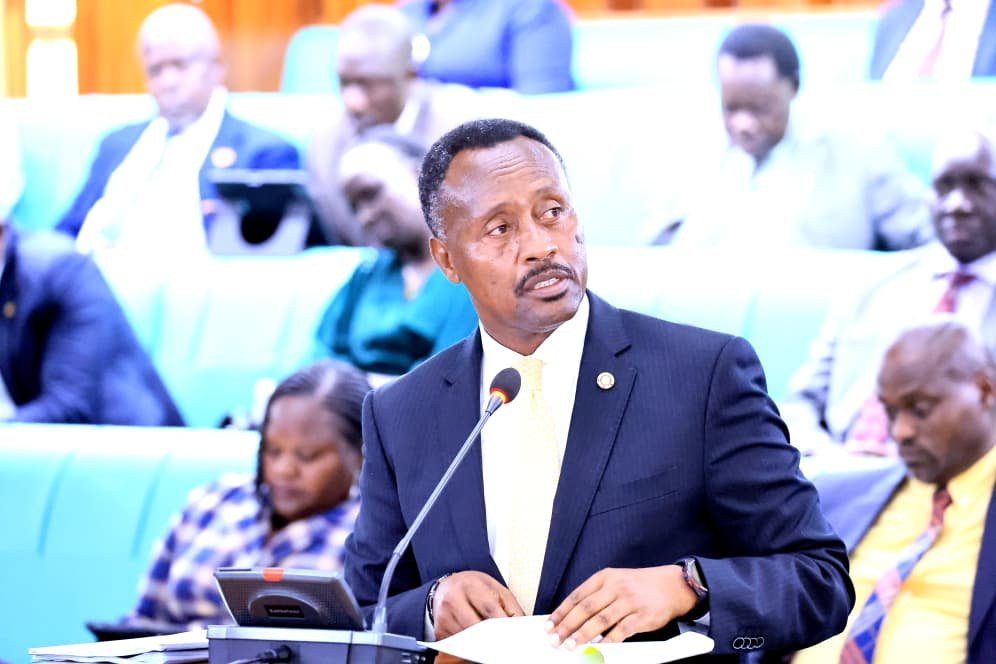
The concerns come as Parliament considers a new fiscal charter intended to guide the management of public finances over the next five financial years. Parliament’s official records show that the charter covers the period from FY2026/27 to FY2030/31.
Kankunda also told the House that the previous fiscal charter had failed to meet some of its key targets.
He said public debt, the fiscal deficit and domestic debt-service costs all exceeded the ceilings that had been set for the end of the previous charter period.
The committee further highlighted the cost of servicing domestic debt, with Kankunda saying Uganda is projected to spend Shs32.50 in interest payments for every Shs100 of domestic non-oil revenue in FY2026/27.
Under the new fiscal charter, the government plans to reduce this ratio from 32.5 percent to 20 percent by FY2030/31.
Kankunda also raised concerns about the way commercial borrowing is defined under the proposed charter.
He said the proposed definition excludes external development project loans, including new non-concessional borrowing that creates future debt-service obligations.
According to Kankunda, excluding such loans from the borrowing indicator could understate the country’s overall borrowing exposure.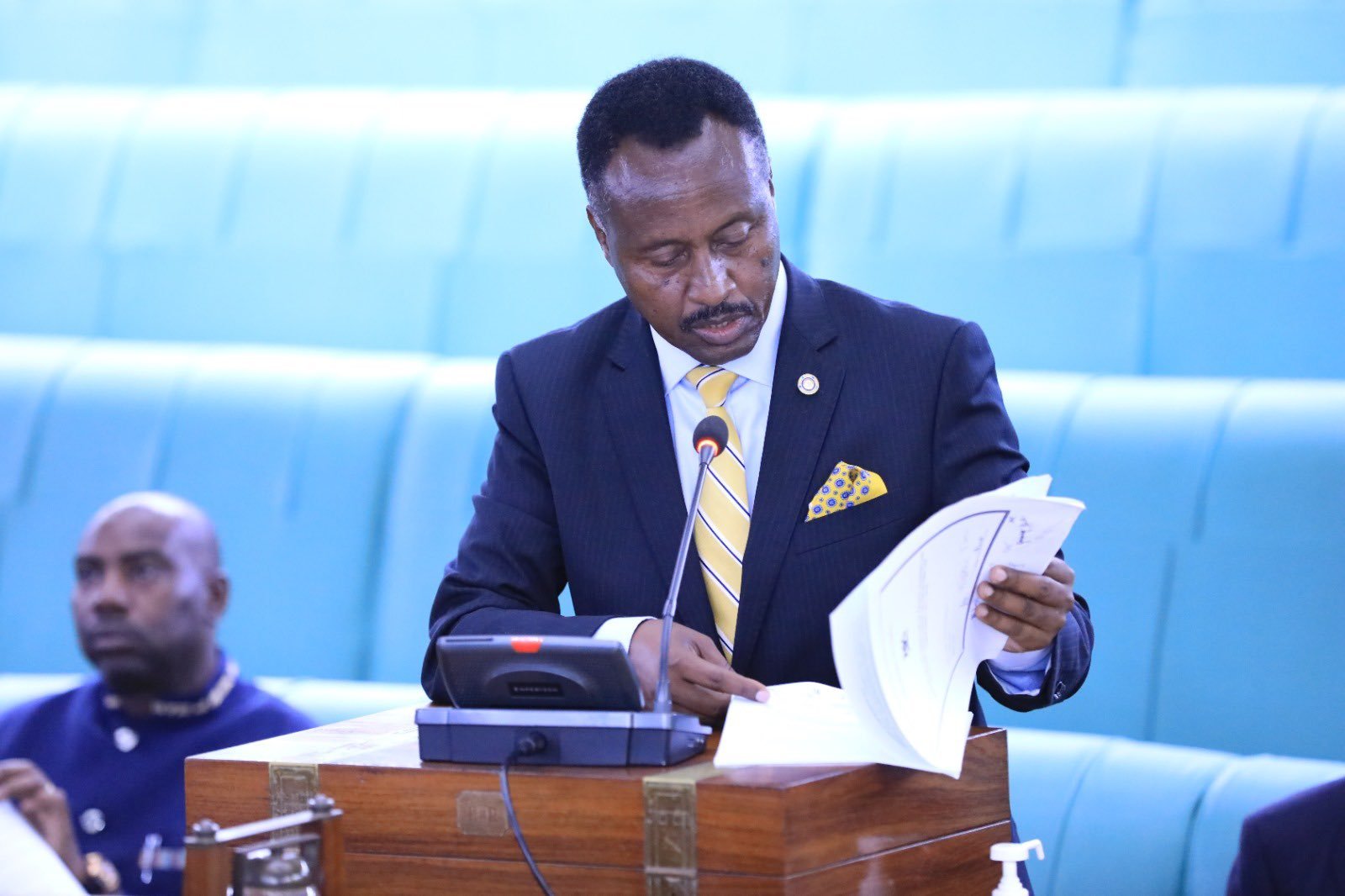
The Budget Committee has therefore proposed that all new non-concessional borrowing, whether domestic or external, should be counted when assessing borrowing for budget or project support.
The debate comes amid continued scrutiny of Uganda’s borrowing requirements and debt-service obligations. In September 2026, Bank of Uganda Governor Michael Atingi-Ego told Parliament’s Budget Committee that the credibility of the fiscal charter would depend on maintaining fiscal discipline, managing petroleum revenues prudently and keeping domestic borrowing within projected levels.
Parliament passed the Shs84.3 trillion national budget for FY2026/27 in April 2026. The approved budget included Shs11.97 trillion in domestic borrowing and Shs11.27 trillion in external project support, among other financing sources.
The new fiscal charter is intended to provide a framework for managing Uganda’s fiscal policy, including public debt, borrowing, deficits and debt-service costs, over the 2026/27–2030/31 period.



