Written By |
When a crash happens, and the driver absconds, the burden falls on the owner to prove who was behind the wheel,” says ASP Michael Kananura
By Our Writer
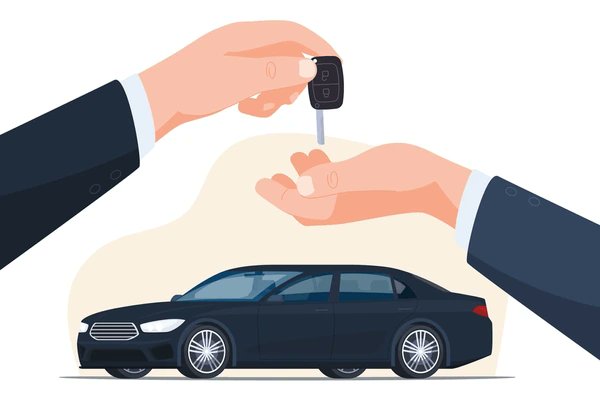
When your friend or relative asks to borrow your car, you probably hand over the keys without a second thought. But did you know that one simple oversight could land you behind bars — or cost you millions of shillings in fines? Across Uganda, police are grappling with a worrying trend: motorists lending out vehicles to friends, relatives, or acquaintances, only for those drivers to flee the scene after causing crashes — leaving the owner to face the law alone.
The Uganda Police Force has now stepped up efforts to educate the public about what the law actually says. It’s surprisingly strict: if you lend out your vehicle, you must be able to identify the driver clearly. Under Sections 142 and 164 of the Traffic and Road Safety Act, Cap 347, vehicle owners who fail to provide the particulars of the driver at the time of an offence risk prosecution themselves.
“When a crash happens, and the driver absconds, the burden falls on the owner to prove who was behind the wheel,” says ASP Michael Kananura, the Community Liaison Officer.
“If you can’t, you can be charged and convicted, fined up to 300 currency points — about six million shillings — or imprisoned for up to six months, or both.”
Kananura (standing) doing sensitization
An avoidable nightmare
The scenarios are all too common. A car is borrowed for a ‘quick run to the market’ or a short errand. Hours later, it is found abandoned at the scene of a hit-and-run. Police impound the vehicle, but when they call the registered owner, they can’t identify who was driving. In the eyes of the law, the owner is responsible — unless they can provide the driver’s name, their National ID details, and a valid driving permit or licence number. Failing to do so means the case can turn against you.
‘Know who you’re giving your car to’
Traffic police say one of the best ways to protect yourself is to treat lending your car like a business transaction — no matter how close you are to the borrower. Take a copy of their National ID, note down their driving permit details, and record the date and time they take your car.
“This is not about mistrust — it’s about protecting yourself and following the law,” says Kananura. “When you have all the driver’s particulars, you save yourself a lot of trouble if something goes wrong.”
What happens if there’s an accident?
If your vehicle is involved in an accident and the driver flees, police will ask you to present the driver’s particulars. If you provide these details, police will release your vehicle and pursue the driver who is on the run.
If you don’t, you remain liable until you can prove who was driving.
A simple rule: Keep proper records
The Traffic and Road Safety Act was designed to ensure accountability on the road. It places equal responsibility on vehicle owners and drivers. Police say the key takeaway is simple: keep a record every time you lend out your car. “Think of it as an insurance policy for your freedom,” ASP Kananura says. “Know who you’re giving your vehicle to. Make sure they are licensed to drive. And keep proper records.”
Next time someone asks for your car keys, remember — it’s not just an act of trust. It’s a matter of law.
Torch Media Africa



