Written By |
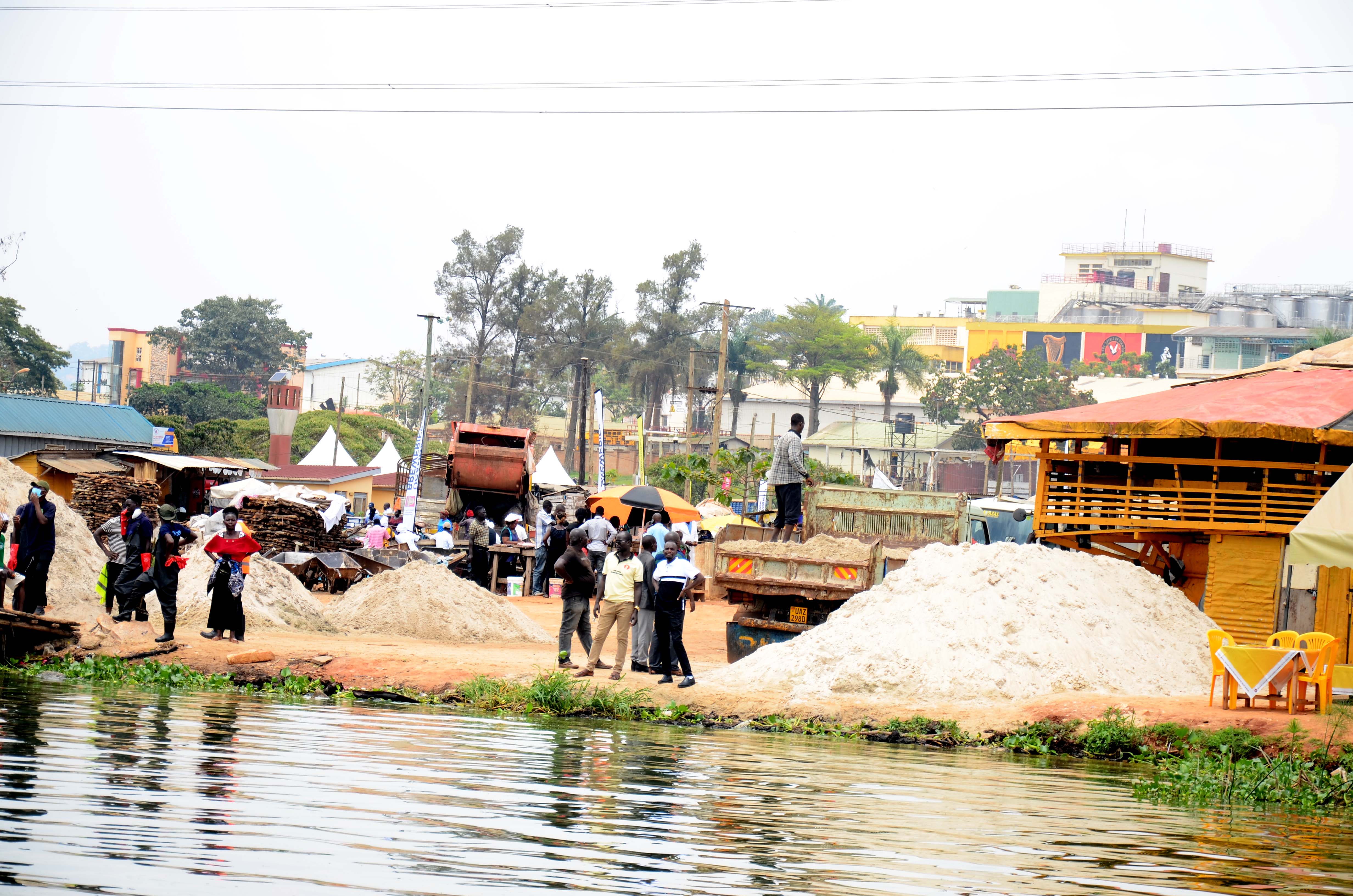
A truck loading sand at Port Bell Landing Site on Lake Victoria threatening ecosystem and fish bleeding grounds (Photo by Milton Niinga)
By Milton Niinga
Local authorities and development partners have called for collective efforts from the public to safeguard the future of Lake Victoria, warning that its survival hangs in the balance due to the continued dumping of plastic waste in and around its shores. This majestic waterbody has long been the lifeblood of the region, supporting fisheries, agriculture, and tourism. However, two major threats—sand mining and plastic pollution—are silently suffocating the lake, jeopardizing the livelihoods of millions.
Plastic waste clogs its waters and contaminates its shores. Plastic bags, bottles, and microbeads, discarded carelessly, find their way into the lake, harming aquatic life and polluting the food chain.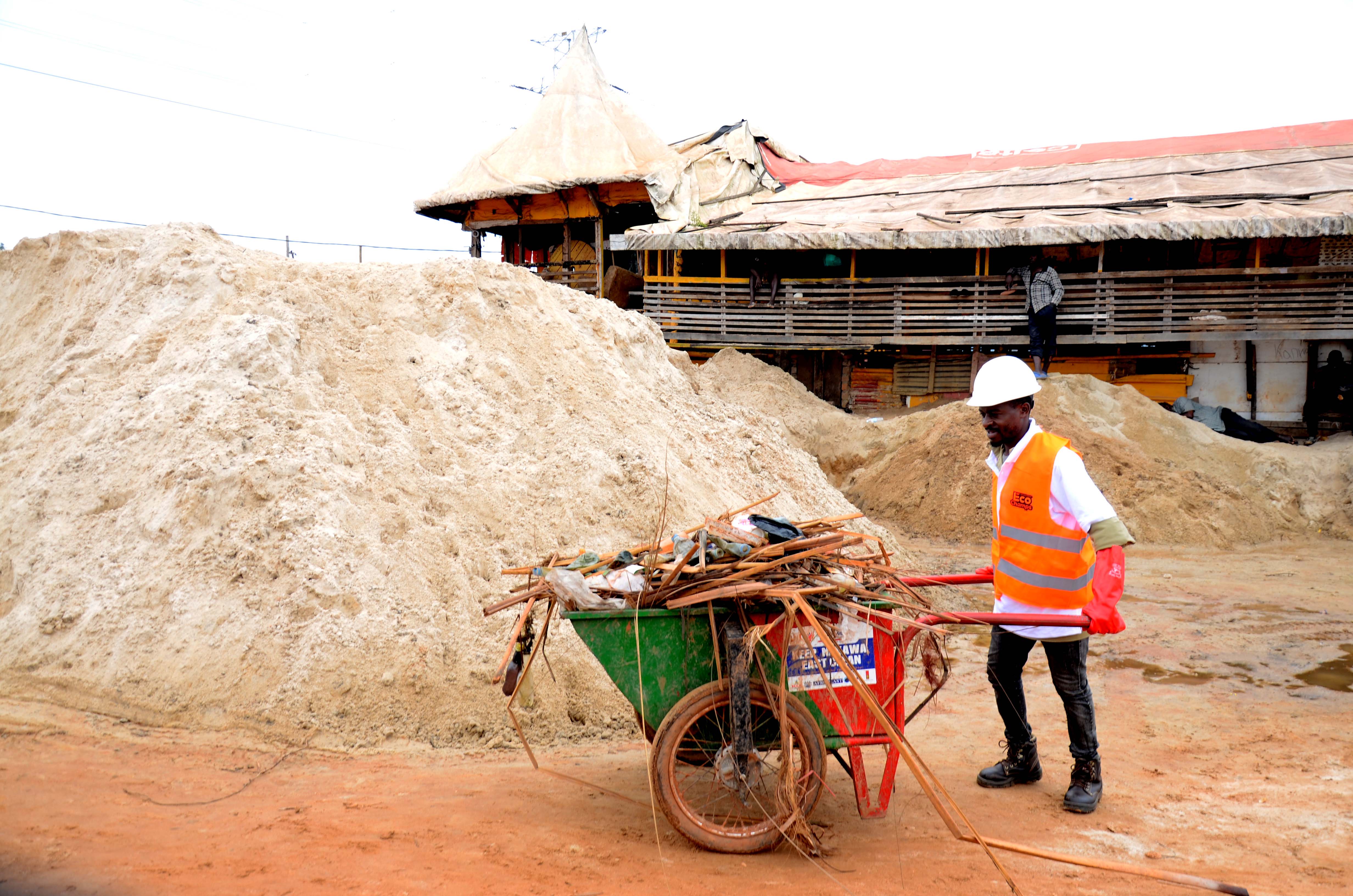
To address the rising sanitation challenges at the Port Bell landing site in Luzira, Nakawa Division, Uganda Breweries Limited partnered with Rotaract Club of Luzira, the National Environment Management Authority (NEMA), the Kampala Capital City Authority (KCCA), and the local community in a cleanup exercise aimed at restoring the site’s cleanliness. Speaking at the community cleanup event at Port Bell Market on Tuesday, Nakawa Division Mayor Paul Mugambe issued a stern warning against the continued dumping of waste into the lake.
"We urge all stakeholders operating in the market and the landing site to take responsibility for waste management. Lake Victoria is our lifeblood, and we must protect it," Mugambe said.
He cautioned residents and business owners along the lake shores to stop indiscriminate waste disposal before NEMA intervenes with restrictions on their operations. "Flooding that destroyed parts of the market structures and nearby homes was caused by irresponsible littering of plastic materials, which must stop," Mugambe added.
Limited waste collection capacity
Nakawa Division has only two garbage collection vehicles serving a population of over 500,000 people, limiting its ability to manage drainage channels that often carry plastic waste into the lake.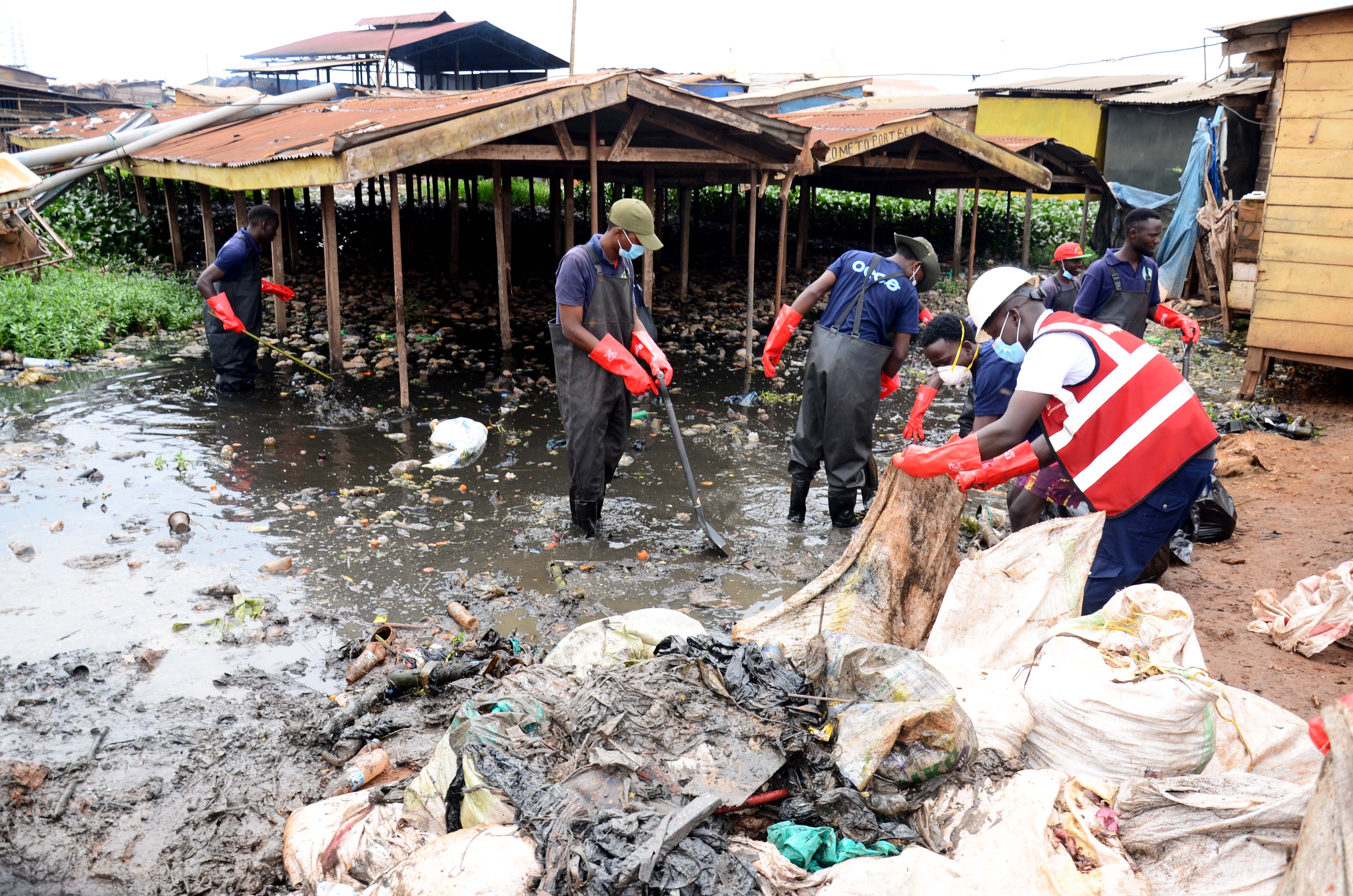
The sand mining menace
Sand mining is a lucrative yet destructive activity along Lake Victoria’s shores. Many miners, often operating illegally, extract sand and gravel for construction materials, fueling the region’s booming building industry with devastating consequences.
"We've lost our fishing grounds," lamented John Odong, a fisherman at Port Bell. "The mining has driven away the fish, and our nets are now filled with sand and debris."
Similarly, Leo Kawawa, another fisherman, expressed concern over the lake’s deteriorating condition.
"I've seen fish with plastic in their stomachs," he said. "It's heartbreaking. We must act now to save our lake."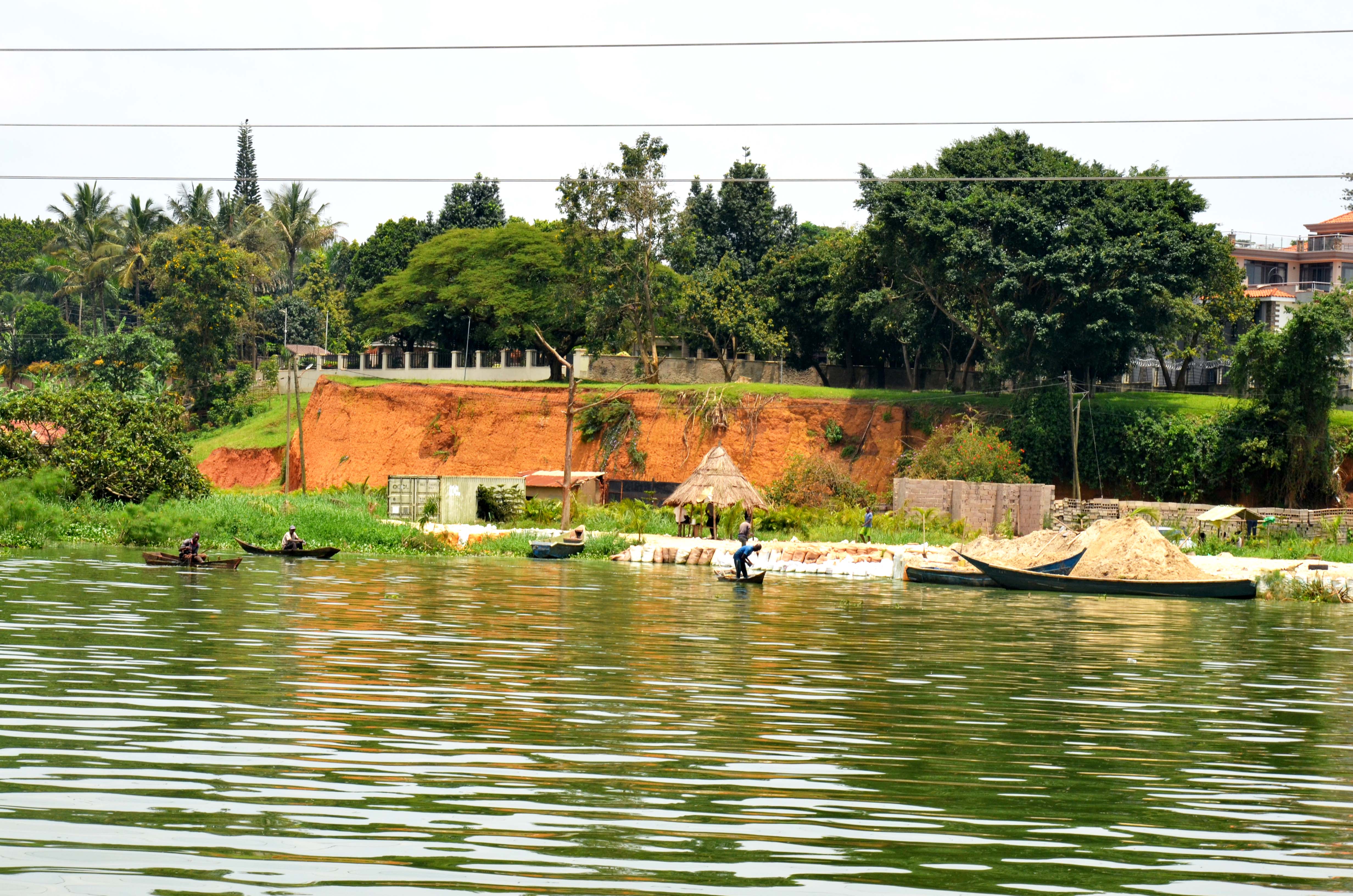
Environmental activists decry dumping on lake shores
Hassan Tenywa, an environmental activist with Uganda Junior Rangers (UJR), said his team has been using a motorboat to collect tons of plastic waste from the lake shores.
"We need to promote a culture of environmental and heritage stewardship through community cleanups and 'bulungi-bwansi' initiatives. We also call upon East African Community (EAC) member states that share Lake Victoria to implement a desilting plan for areas most affected by plastic pollution," Tenywa suggested.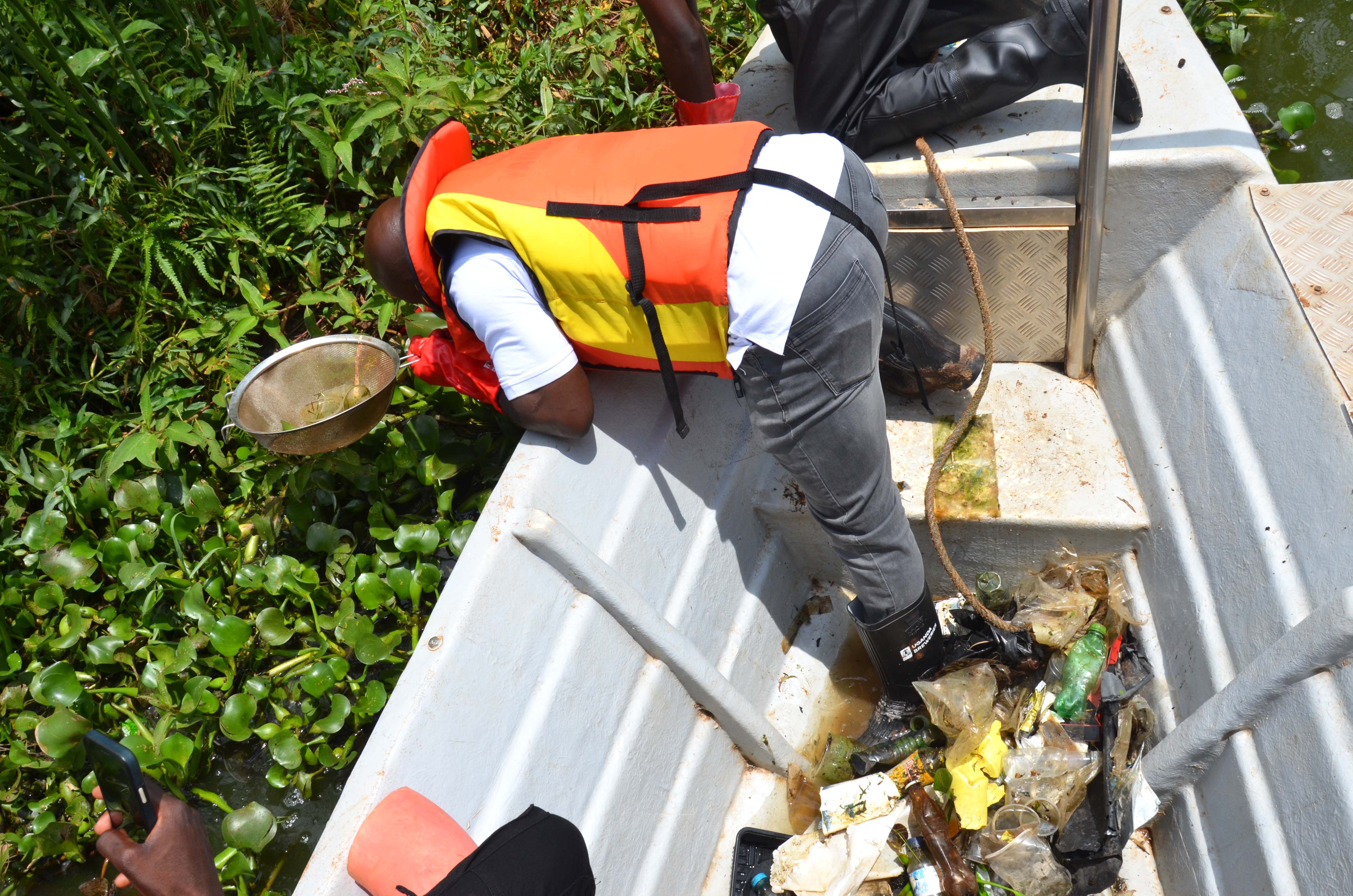
He observed that plastic debris has become a defining feature of island communities and lake shores, threatening both aquatic life and fishing livelihoods.
"Untreated sewage, industrial waste, and plastic debris are contaminating the lake, harming aquatic life. Polluted water poses serious health risks, including waterborne diseases, while destroying habitats and affecting fisheries and biodiversity," Tenywa warned.
He further noted that local industries continue to dump chemicals, while fishermen, residents, and tourists contribute to plastic pollution by discarding plastic bottles and old fishing nets into the lake.
Adding to the crisis, the invasive water hyacinth has spread across the lake, making it difficult even for motorboats to navigate.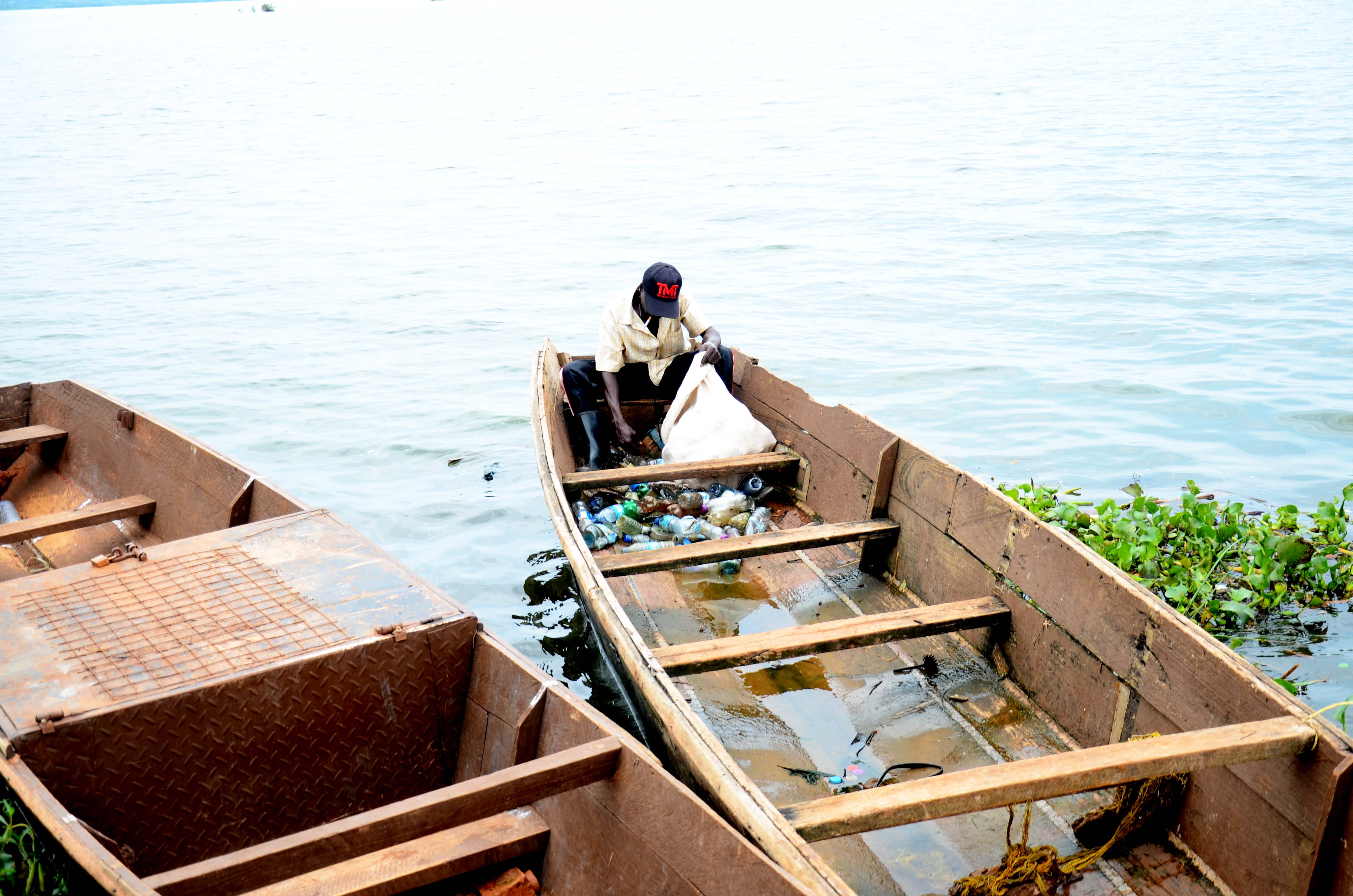
Lack of public sensitization on waste management
Robert Wamala, Chairman of Port Bell Market, highlighted the impact of flooding on businesses, attributing the issue to waste mismanagement by locals.
"Residents are the ones littering, yet we all suffer the consequences as a community. We need NEMA to intensify public awareness on plastic waste management because KCCA does not collect garbage on time," Wamala said.
He urged market vendors to take the lead by adopting weekly or monthly cleanup programs to complement efforts by Nakawa Division and KCCA.
Nakawa Division receives 600 million Ugandan shillings for garbage management, but Mayor Mugambe said the funding is insufficient to collect all waste efficiently.
"Residents should report illegal dumping and use designated bins and collection points to ensure garbage is properly transported to landfills," Wamala added.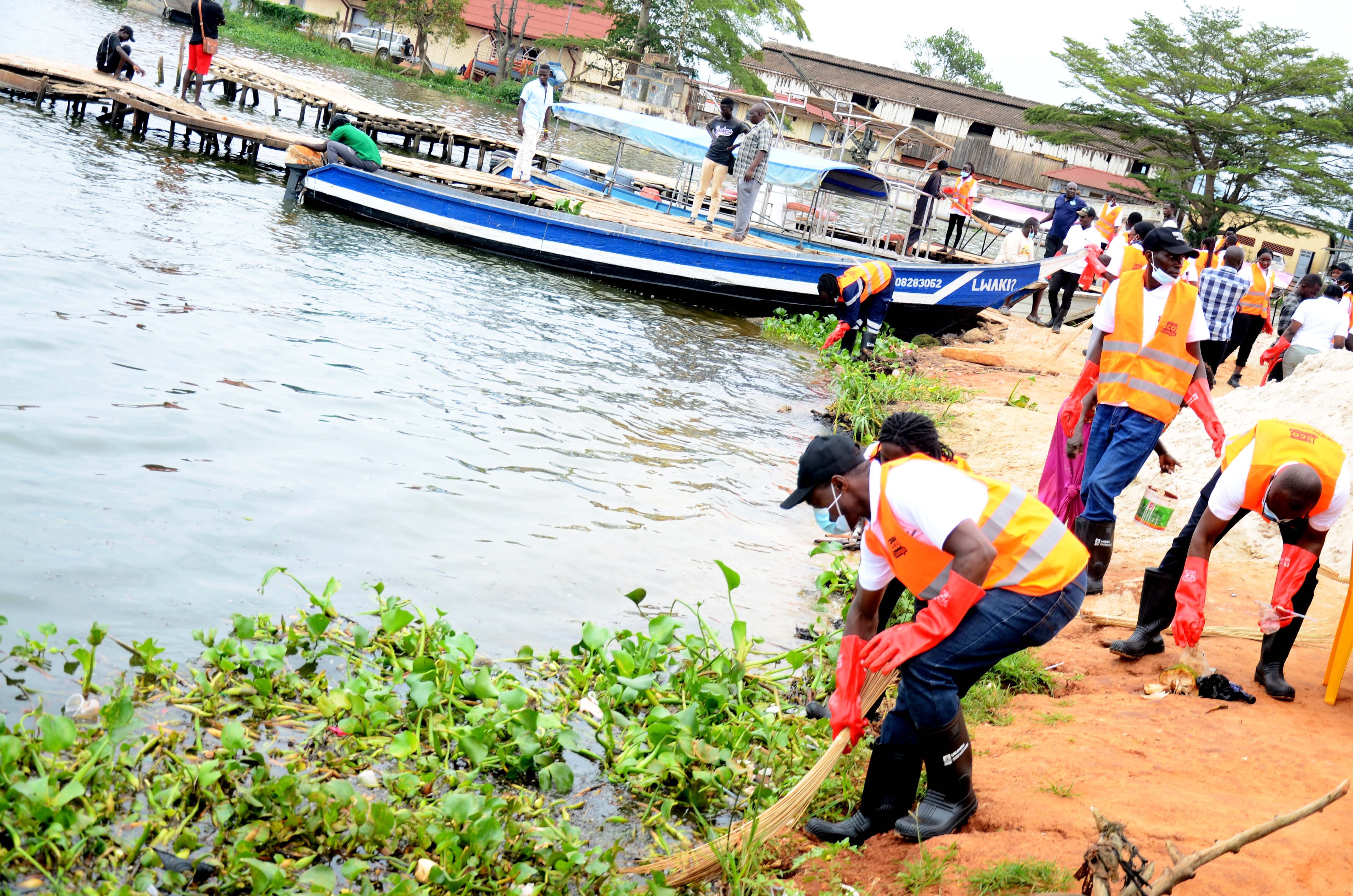
Community cleaning at Port Bell Landing Site in Kampala aimed at reducing plastic waste that is polluting Lake Victoria (Photo by Milton Niinga)
Other organizations that participated in the cleanup included: Turinawe Community Foundation, Uganda Junior Rangers, Luzira Achievers Youth Group, Holistic Approach for Development and Empowerment (HADE)
Torch Media Africa



