Written By |
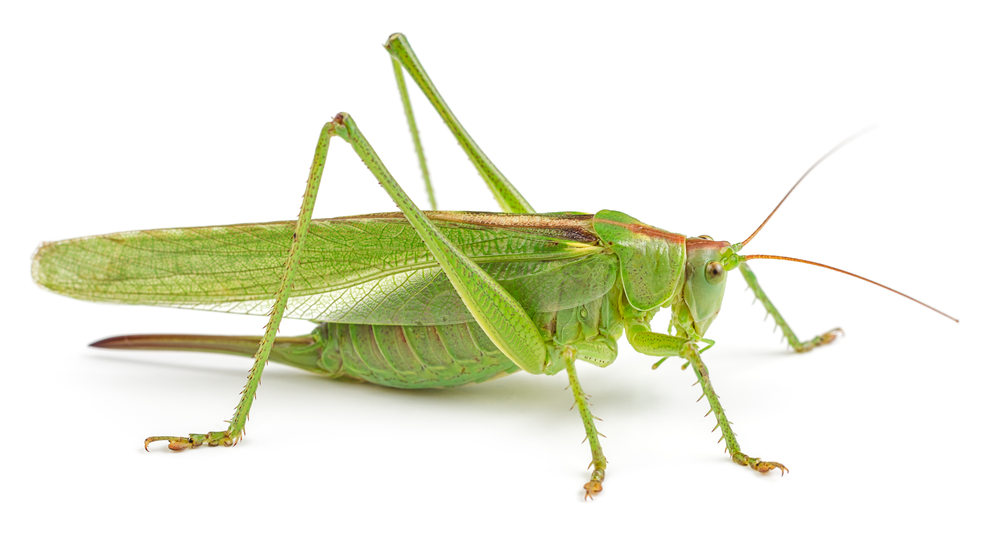
With over 2,000 edible insect species globally, many of which are high in protein—including black soldier fly larvae, mealworms, crickets, and locusts—these insects could become a key component of future diets
Health Agencies
We’ve all heard that oysters and chocolate are popular aphrodisiacs, but if you're looking for a surprising new way to spice up your sex drive, a recent study suggests an unexpected alternative—grasshoppers.
According to researchers from the University of Dschang, eating Ruspolia nitidula grasshoppers could significantly enhance your libido, while also improving sleep, hair quality, and overall health.
"Our findings highlight the significant potential of edible insects like Ruspolia nitidula as alternative protein sources," said Dr. Ngnaniyyi Abdoul, who led the study.
With over 2,000 edible insect species globally, many of which are high in protein—including black soldier fly larvae, mealworms, crickets, and locusts—these insects could become a key component of future diets.
The study involved 216 rats, which were fed either fish or grasshoppers over a 12-week period. Throughout the experiment, researchers monitored the rats’ libido, sleep patterns, hair growth, and overall health. The results were striking. The grasshopper-fed rats demonstrated a significant increase in libido compared to their fish-fed counterparts, showing more frequent sexual activity and ejaculations.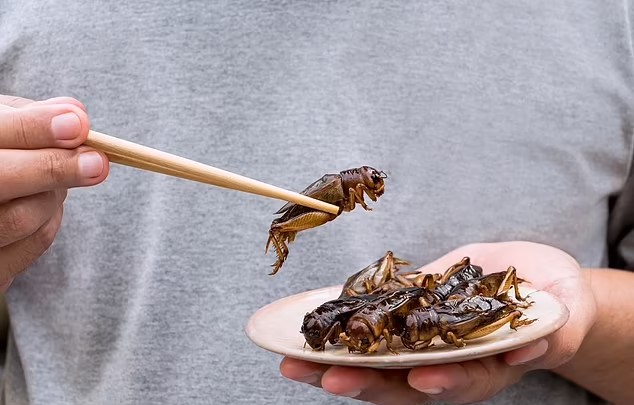
Sleep quality also improved dramatically among the grasshopper-fed rats, who enjoyed longer and more restful sleep. As for hair health, the grasshopper-fed rats displayed an impressive 94.58% of hairs in optimal condition, compared to just 5.55% in the fish-fed group.
While the study focused on rats, Dr. Abdoul believes these findings could extend to humans as well. "Grasshopper meal not only meets nutritional needs but also offers substantial health benefits, including improved libido, better sleep, and enhanced hair quality, with far-reaching implications for both animal and human diets," he explained.
However, convincing people to adopt an insect-based diet may be challenging. A 2022 survey revealed that nearly 70% of respondents were unwilling to try edible insects, with many citing the unappealing idea of a "bushtucker trial" diet. The survey, conducted by the Food Standards Agency (FSA), found that 67% of people said "nothing could make them try edible insects." However, 13% indicated they would consider it if they knew the insects were safe to eat, while 11% said they might try them if the insects looked appetizing. Notably, 37% were open to trying insects if they were ground up and incorporated into other foods.
The grasshopper-fed rats displayed an impressive 94.58% of hairs in optimal condition, compared to just 5.55% in the fish-fed group
FSA chief scientific adviser, Professor Robin May, emphasized the importance of proper regulation in promoting alternative proteins like edible insects. "Our priority is to protect consumer interests by ensuring food is safe and properly regulated," he said. "This survey shows that while many consumers are open to trying alternative proteins, they will only do so if they are confident in the safety of these products."
With the FSA working closely with businesses and trade bodies to ensure the safe introduction of alternative proteins, the future of food innovation could see grasshoppers and other insects becoming a regular part of our diets—though it might take some convincing for many to give it a try.
Torch Media Africa



