Written By | Health News Agencies
Triglycerides are a type of fat that circulates in your blood, mostly from the food you eat. A normal level sits under 150 mg/dL
WASHINGTON, D.C.
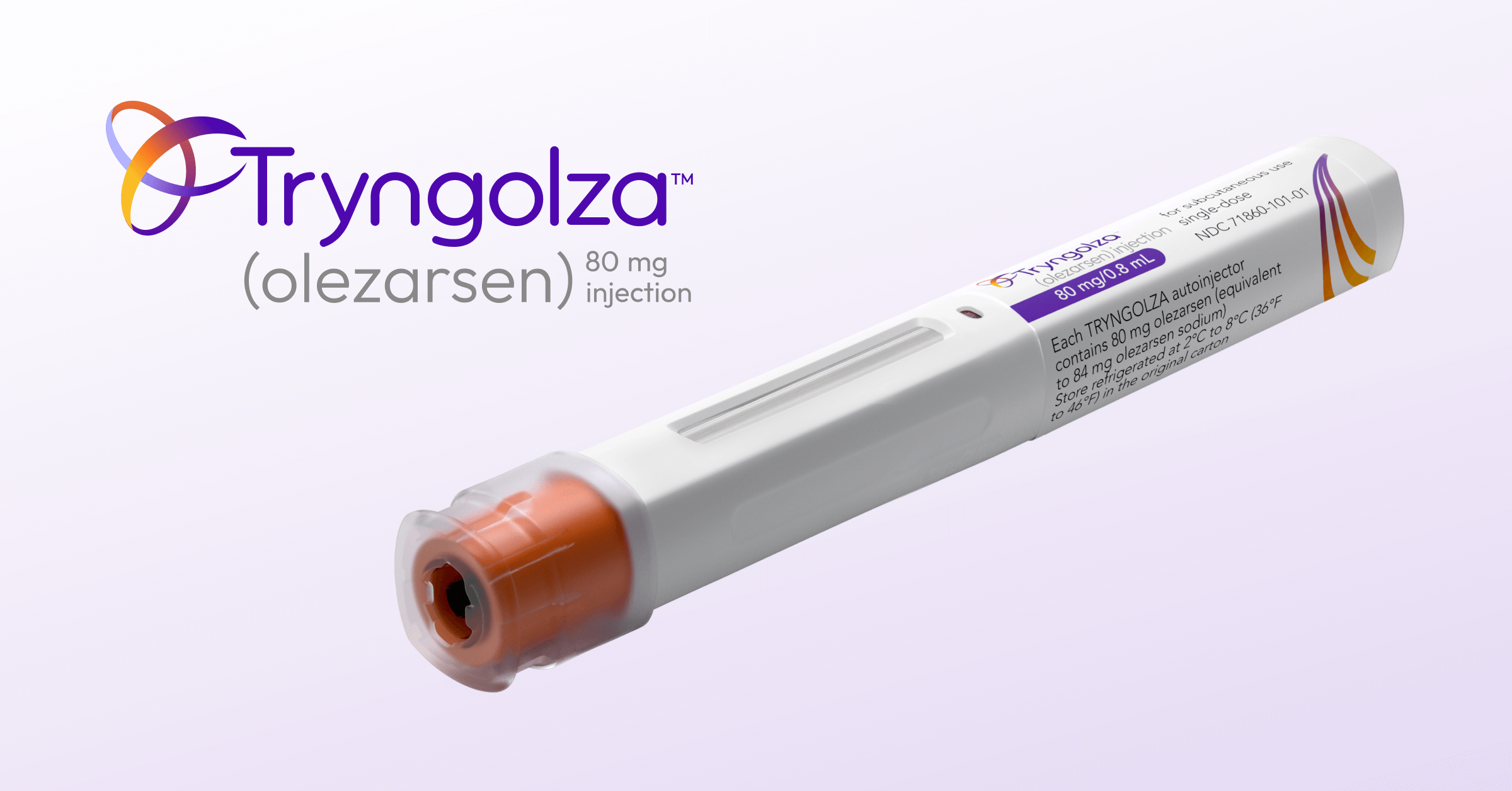
Today is the day the clock was supposed to run out. June 30, 2026 was the FDA's hard deadline — its “PDUFA date” in regulatory speak — to decide the fate of a drug called olezarsen, sold under the brand name Tryngolza. The agency didn't even wait for the buzzer. Six days early, on June 24, it announced approval, making Tryngolza the first and only medicine on Earth specifically cleared to slash the risk of a violent, potentially fatal condition called acute pancreatitis in people with a blood disorder most Americans have never heard of: severe hypertriglyceridemia.
If that name sounds like medical word-salad, here's the plain-English version: roughly 1 in 100 American adults — more than 3 million people — are walking around with blood so thick with fat that their pancreas could detonate at any moment. Until this week, doctors had nothing built specifically to stop it.
The Disease Hiding in Plain Sight
Triglycerides are a type of fat that circulates in your blood, mostly from the food you eat. A normal level sits under 150 mg/dL. Severe hypertriglyceridemia, or sHTG, is defined as triglycerides at or above 500 mg/dL — more than three times the healthy ceiling. Some patients show up to emergency rooms with levels over 2,000 mg/dL, blood so saturated with fat it can look milky in a test tube, a phenomenon doctors call “lactescent” or lipemic serum.
The danger isn't abstract. The relationship between triglyceride level and pancreatitis risk is brutally dose-dependent: at 1,000 to 1,999 mg/dL, roughly 10% of patients will suffer an acute pancreatitis attack. Cross 2,000 mg/dL, and the odds roughly double to 20%. Diabetes and younger age make the risk even worse.
An acute pancreatitis attack is not a stomachache. It is sudden, searing abdominal pain that radiates to the back, often accompanied by vomiting, fever, and a racing heart, and it frequently lands patients in the ICU. In severe cases, the pancreas begins digesting itself, triggering systemic inflammation, organ failure, and death. Hypertriglyceridemia is now recognized as the cause of 2% to 5% of all acute pancreatitis cases in the general population — and a dramatically higher share among people with diabetes, obesity, or heavy alcohol use, the three biggest amplifiers of the condition.
How the Drug Works
Olezarsen belongs to a class of drugs called antisense oligonucleotides — lab-engineered strands of genetic material that latch onto specific messenger RNA inside liver cells and effectively mute the instructions for making a protein called apoC-III. ApoC-III normally blocks the breakdown of triglyceride-rich particles in the blood. Silence it, and the body becomes far more efficient at clearing fat out of circulation.
The drug isn't new to the FDA. It was first approved in December 2024 under the same brand name for a narrower, ultra-rare genetic disease called familial chylomicronemia syndrome. This week's approval is a major label expansion — opening the drug up to the much larger population of sHTG patients, whatever the underlying cause of their sky-high triglycerides.
“The approval of TRYNGOLZA marks an historic advance for people who have long struggled to control their dangerously high triglycerides, providing the only approved therapy for sHTG to dramatically lower triglyceride levels and significantly reduce acute pancreatitis events,” said Brett P. Monia, Chief Executive Officer of Ionis Pharmaceuticals, the company that makes the drug.
The Numbers Behind the Hype
The approval rests on two pivotal trials, called CORE and CORE2, which tested olezarsen against placebo in patients with sHTG. The results were striking: at the 50 mg dose, patients saw placebo-adjusted triglyceride reductions of roughly 49% to 63% at six months; at the 80 mg dose, reductions ran from about 55% to 72%. Crucially, those drops held steady all the way out to 12 months — this isn't a short-lived effect.
But the headline number or regulators is the one tied directly to survival: across the pooled trial data, patients on olezarsen saw their rate of acute pancreatitis events fall to a pooled rate ratio of just 0.15 compared with placebo — in plain terms, an roughly 85% relative reduction in the very complication that sends sHTG patients to the hospital and, in the worst cases, kills them.
The drug is self-administered at home with a once-monthly subcutaneous autoinjector — no infusion chair, no hospital visit, just a single shot a month.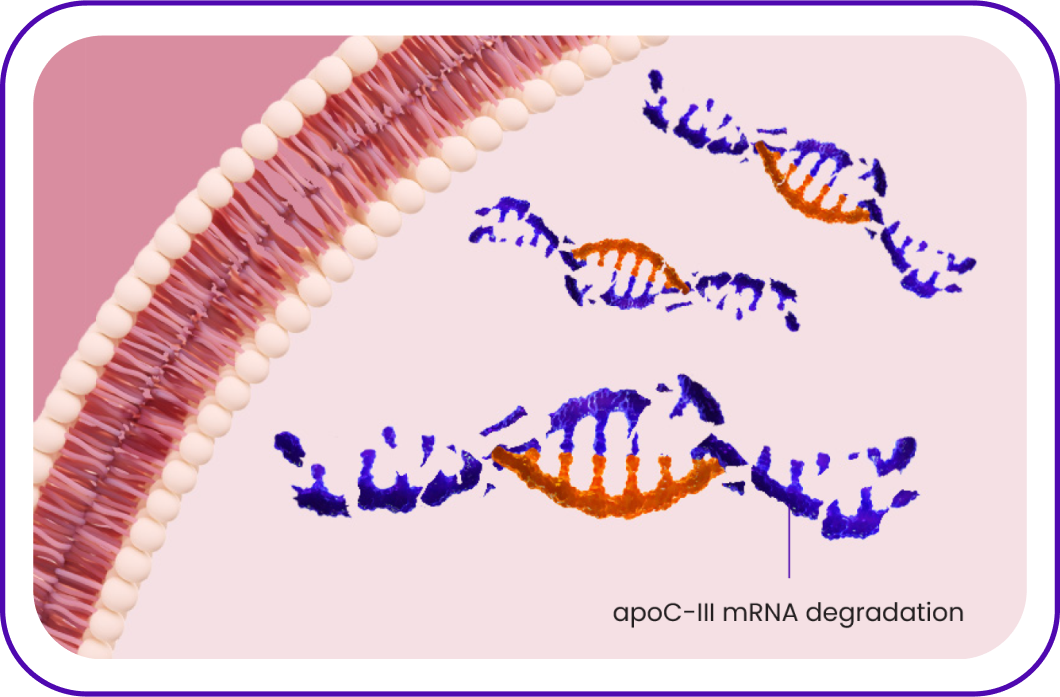
Not Everyone Is Cheering Equally
“While [olezarsen] does significantly reduce triglycerides, that decrease doesn't necessarily translate into an immediate slowing or reversal of coronary plaque buildup,” — Dr. Nicholas Marston, preventive cardiologist at Brigham and Women's Hospital and assistant professor at Harvard Medical School.
Marston's caveat is an important reality check: Tryngolza is not a heart-disease cure-all, and separate research on olezarsen found it didn't meaningfully shrink coronary artery plaque after a year of treatment in a broader cardiovascular population. Its approved use here is narrower and more urgent — protecting the pancreas in patients whose triglycerides have reached genuinely dangerous territory, not lowering general heart attack risk in the way statins do.
Cost is the other sticking point. Ionis initially floated a price tag near $595,000 a year when the drug first launched for the ultra-rare genetic indication in 2024. For this much larger sHTG population, the company has set the list price dramatically lower, around $40,000 a year — with the 80 mg dose pricing out around $3,264 per pharmacy fill before insurance. Ionis says patients with private or commercial insurance may pay as little as $0 out of pocket per fill through manufacturer support programs, though list price remains a real barrier for the uninsured.
Why Old Treatments Fell Short
For decades, the front line against severe hypertriglyceridemia has been a patchwork of imperfect tools: aggressive low-fat diets, weight loss, tight blood sugar control, abstaining from alcohol, and a class of older drugs called fibrates, alongside high-dose prescription fish oil. Fibrates can lower triglycerides meaningfully, but their effect on actual pancreatitis risk has never been proven in a rigorous trial the way olezarsen's now has. For patients whose triglycerides remain dangerously elevated despite maxing out diet and fibrates, doctors had essentially nothing left to offer except hospital monitoring and hoping the next attack didn't happen.
Olezarsen also isn't a one-off experiment for its maker. Ionis has built much of its pipeline around the same antisense oligonucleotide technology, including other approved RNA-targeting drugs for different rare diseases, giving the company — and regulators — a substantial track record with how this class of medicine behaves in the body over years of use. That history likely helped smooth this expanded approval through the FDA's priority review process faster than a brand-new drug mechanism would have.
Who's Most at Risk
Severe hypertriglyceridemia isn't randomly distributed across the population. It clusters heavily among people with poorly controlled type 2 diabetes, obesity, hypothyroidism, chronic kidney disease, and heavy alcohol use — any condition or habit that overwhelms the body's ability to clear fat from the bloodstream. Certain genetic mutations affecting lipoprotein lipase, the enzyme primarily responsible for breaking down triglyceride-rich particles, can also push levels into dangerous territory even in otherwise healthy young adults, which is part of why doctors increasingly recommend a baseline lipid panel well before middle age rather than waiting for symptoms that, with this disease, often arrive in the form of a sudden hospitalization.
What This Means for You
If you've never had your triglycerides checked, this is a reasonable nudge to ask your doctor for a lipid panel at your next physical — it's a standard, inexpensive blood test. You're at elevated risk for sHTG if you have poorly controlled diabetes, carry significant excess weight, drink heavily, or have a family history of high triglycerides or pancreatitis.
If you already know your triglycerides run high, especially above 500 mg/dL, this approval matters directly to you. Until now, doctors managing sHTG were largely limited to diet changes, fibrates, prescription fish oil, and hoping for the best. Tryngolza is the first medicine the FDA has ever approved with a specific, data-backed claim of cutting your risk of a pancreatitis attack — not just lowering a number on a lab report.
Talk to your physician or a lipid specialist about whether your triglyceride level and pancreatitis history make you a candidate. The drug is now shipping to U.S. pharmacies and specialty distributors, and patient assistance programs through Ionis are already active for those with commercial insurance.
It's also worth asking your doctor directly whether your triglyceride elevation has an identifiable, fixable driver — uncontrolled diabetes, an underactive thyroid, or heavy drinking, for instance — since addressing those root causes alongside any new medication gives the best shot at getting numbers down for good, rather than relying on a prescription alone.
The Bottom Line
For a disease that quietly affects millions of Americans and has, until this week, had no dedicated treatment, Tryngolza's approval is a genuine milestone — even with its limitations and price tag. It won't reverse heart disease, and it isn't cheap. But for the patients living with triglyceride levels capable of triggering a sudden, life-threatening pancreatic attack, the FDA just handed doctors their first real weapon built for exactly that fight.



