BUNIA, Democratic Republic of the Congo
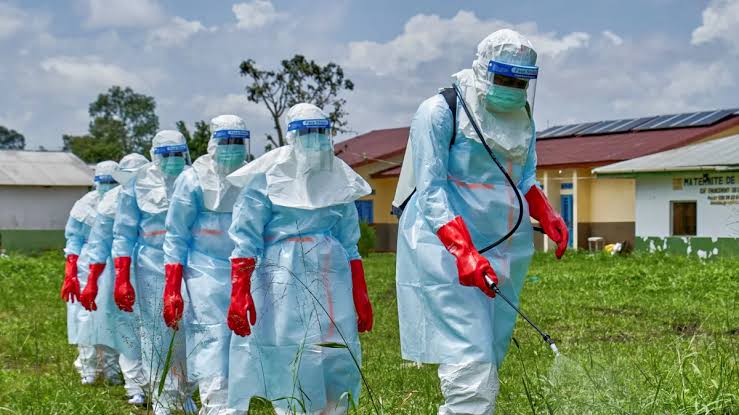
It started, as these things almost always do, quietly. A handful of feverish patients in the forested health zones of Ituri province in eastern Democratic Republic of the Congo, back in early May. Headaches. Fevers. Aching joints. The kind of symptoms that get shrugged off in a region already battling malaria, cholera, and armed conflict.
Ten weeks later, it is the third-largest Ebola outbreak ever recorded on Earth — and it is still growing.
As of the World Health Organization's most recent tally, more than 2,500 laboratory-confirmed cases and over 1,000 deaths have been logged across five provinces of northeastern DRC: Ituri, North Kivu, South Kivu, Tshopo, and Haut-Uele. Twenty more confirmed cases and two deaths hit neighboring Uganda before that country managed to stamp the virus out — discharging its last patient on July 16 and, for now, declaring itself Ebola-free. A single imported case even turned up in France in late June, a reminder that in a world of jet travel, no outbreak stays local for long.
What makes this outbreak different — and, doctors say, genuinely frightening — isn't just the size. It's the speed.
"The Ebola outbreak in the DRC in 2018-2020 took more than 10 months to reach 2,000 confirmed cases," health officials have noted. This time, the virus blew past that same 2,000-case mark in barely two months. WHO officials have publicly stated the outbreak "is spreading faster than any previous one" during a comparable window of exposure, and that the response is, in blunt terms, being outpaced by the disease itself.
THE VIRUS NOBODY WAS READY FOR
Most people who think they know Ebola are picturing Zaire ebolavirus — the strain behind the catastrophic 2014-2016 West Africa epidemic that killed over 11,000 people and the strain nearly every existing vaccine and drug was built to fight. This isn't that virus.
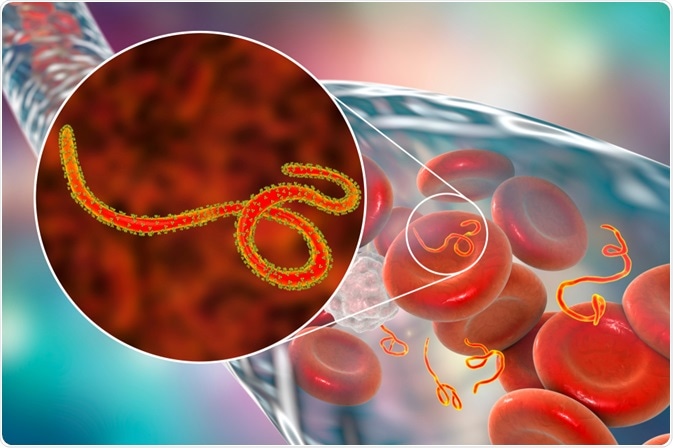
The culprit this time is Bundibugyo virus, a rarer, less-studied cousin of classic Ebola, named for the Ugandan district where it was first identified in 2007. It has only caused two confirmed outbreaks in the nearly two decades since — until now. And that rarity is precisely the problem: because so few people have ever been infected with it, science has had almost no opportunity to study it, and pharmaceutical companies have had little commercial incentive to develop countermeasures specifically for it.
That gap has left doctors in the field fighting blind, in the most literal sense possible. There are currently two approved vaccines against Ebola disease — but neither one is approved for use against Bundibugyo virus specifically. There is no approved antiviral treatment either. Everything doctors on the ground can offer patients is supportive care: IV fluids to fight dehydration, oxygen to support failing lungs, careful monitoring of blood chemistry and heart function, and prayer.
Historically, Bundibugyo virus has actually caused a somewhat "milder" — though still frequently lethal — illness compared to its Zaire cousin. During the two previous outbreaks, the case fatality rate ranged between 25 and 40 percent, roughly half the worst death tolls seen with Zaire ebolavirus. Small comfort to the families of the more than 1,000 people this outbreak has already killed.
Early symptoms mimic a brutal flu: sudden high fever, intense headache, crushing fatigue, and body aches. As the disease progresses, patients can develop severe vomiting and diarrhea severe enough to trigger fatal dehydration on its own. In the worst cases, the virus infects and hijacks specific immune cells, unleashing a runaway inflammatory storm that leads to internal bleeding and multi-organ failure — the classic and most feared hallmark of hemorrhagic fever.
A GLOBAL EMERGENCY, DECLARED
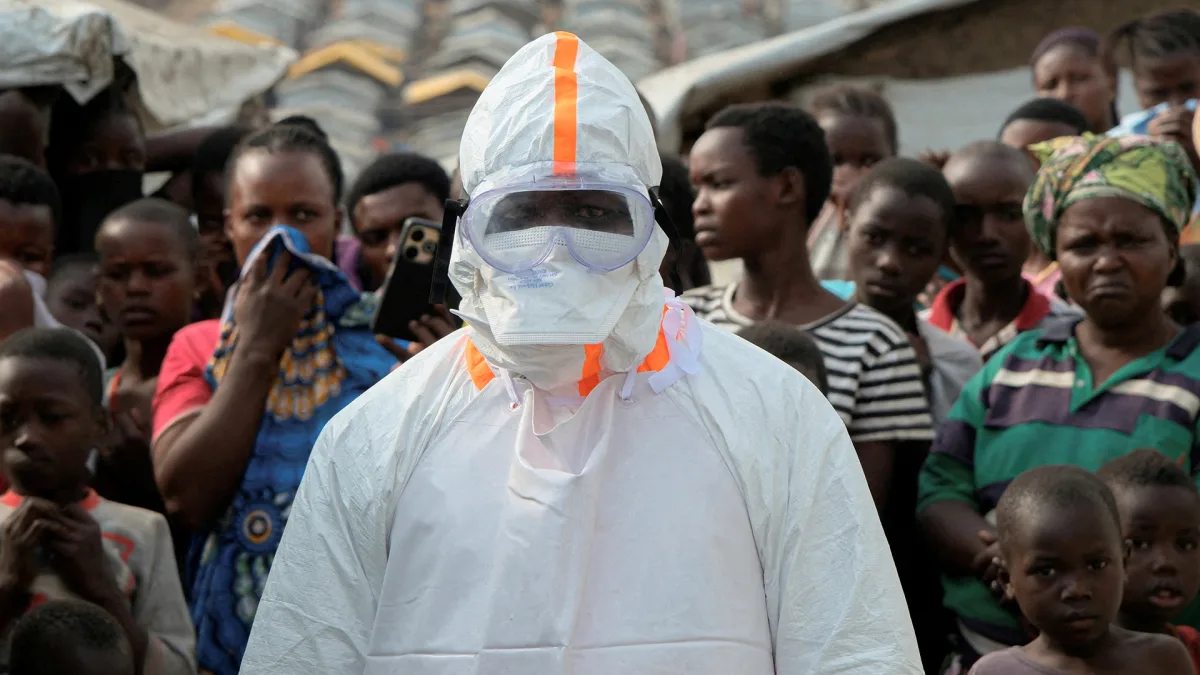
On May 17, 2026, WHO Director-General Dr. Tedros Adhanom Ghebreyesus took the rare and serious step of declaring the outbreak a Public Health Emergency of International Concern — a PHEIC, the same designation used for COVID-19 and the 2014 West Africa Ebola epidemic. It is the WHO's highest alarm bell, reserved for events judged to pose a serious risk to multiple countries and requiring a globally coordinated response.
Eleven days later, Tedros traveled to the DRC himself. Standing in Ituri province, ground zero of the crisis, he delivered a message aimed as much at frightened, distrustful communities as at the international donors who hold the purse strings.
"The people of Ituri, the Kivus, and all of DRC deserve to know they are not alone," Tedros said during the visit, adding that "community ownership is what will bring this outbreak to an end."
That message carries real weight in this specific corner of the DRC, which has spent years as a warzone. Ituri and North Kivu have endured relentless attacks from armed militia groups, mass displacement, and a near-total breakdown of trust in outside authorities — the exact conditions in which contact tracers, vaccination teams, and burial crews struggle hardest to do their jobs. Every case of Ebola that goes unreported because a family fears being forcibly relocated by armed groups, every unsafe burial conducted because health workers can't reach a village safely, is another chance for the virus to jump to a new host.
Money is the other half of the crisis. WHO's joint continental preparedness and response plan with Africa CDC is short more than $400 million, according to Tedros, who has been blunt with wealthy donor nations about what's at stake. "This is not charity," he told reporters, "it is an investment in national security" — a pointed reminder that in an interconnected world, an outbreak contained cheaply in Bunia today is infinitely less costly than one that reaches Kinshasa, Nairobi, or a departures lounge in Paris tomorrow.
UGANDA'S HARD-WON WIN — AND THE WARNING IN IT
If there's a flicker of hope in this story, it's Uganda. After confirming its own outbreak connected to cross-border spread from the DRC — 15 imported cases from travelers and five cases of local transmission, concentrated around the capital Kampala and neighboring Wakiso district — Ugandan health authorities moved fast. Contact tracing, isolation, and community engagement teams got ahead of the virus. On July 16, the country's last hospitalized Ebola patient walked out the doors, discharged and recovered. As of mid-July, Uganda has no known active cases.
It's proof the virus can be stopped — with speed, resources, and trust.
It's also a warning, because the DRC has none of the three in sufficient supply. Uganda has a comparatively stronger health system, a more centralized outbreak in and around one metro area, and international attention focused squarely on Kampala. The DRC is fighting this virus across five separate, often remote and conflict-torn provinces simultaneously, with a health workforce stretched to the breaking point by years of concurrent crises — measles, cholera, malnutrition, and armed conflict, all competing for the same scarce resources.
WHAT EXPERTS ARE SAYING
Public health experts tracking the outbreak have repeatedly emphasized that the danger here isn't exotic — it's structural. Aid organizations like Médecins Sans Frontières (Doctors Without Borders) have flagged that the specific biology of Bundibugyo virus, combined with the total absence of an approved vaccine or drug for it, makes this outbreak "uniquely challenging to treat," in the words of infectious disease specialists who have worked the response. Control depends entirely on old-fashioned outbreak science: rapid case identification, isolation and supportive care, aggressive contact tracing, safe and dignified burials, and — above all — communities that trust health workers enough to come forward rather than hide their sick.
Researchers are racing in the background to adapt existing Ebola vaccine platforms — including the vesicular stomatitis virus-based technology used in approved Zaire ebolavirus vaccines — to cover Bundibugyo virus, but that work takes time measured in months and years, not the weeks this outbreak is currently costing lives.
WHAT THIS MEANS FOR YOU
For the vast majority of readers outside central and East Africa, direct personal risk from this specific outbreak remains low — Ebola viruses require close contact with the bodily fluids of a symptomatic, contagious person, and there is no evidence of airborne transmission. The single imported case in France was identified and contained without triggering local spread.
But "low risk" is not "no risk," and this outbreak is a reminder of how quickly that calculus can change. Any international travelers heading to the affected regions of the DRC or Uganda should check current CDC and WHO travel guidance before departing. Anyone who has recently traveled to eastern DRC or Uganda and develops a sudden high fever, severe headache, or unexplained bleeding or bruising should seek medical attention immediately and tell healthcare providers about their travel history right away — early isolation saves lives, both the patient's and everyone around them.
More broadly, health security experts argue this outbreak should be a wake-up call about the danger of "orphan" pathogens — viruses rare enough that the world hasn't bothered to fund vaccines or treatments for them, until suddenly it desperately needs to.
THE BOTTOM LINE
Ten weeks. Five provinces. Over 2,500 confirmed cases. More than 1,000 dead. A virus so rare that modern medicine has never built a weapon specifically to fight it. And a $400 million funding gap standing between the current death toll and whatever number it grows to next.
Uganda showed the world this outbreak can be beaten. Now the question is whether the international community will spend what it takes — in money, medicine, and trust — to help the Congo do the same before Bundibugyo virus writes an even grimmer chapter in the history of Ebola.
Published By | Features Editor