Written By |
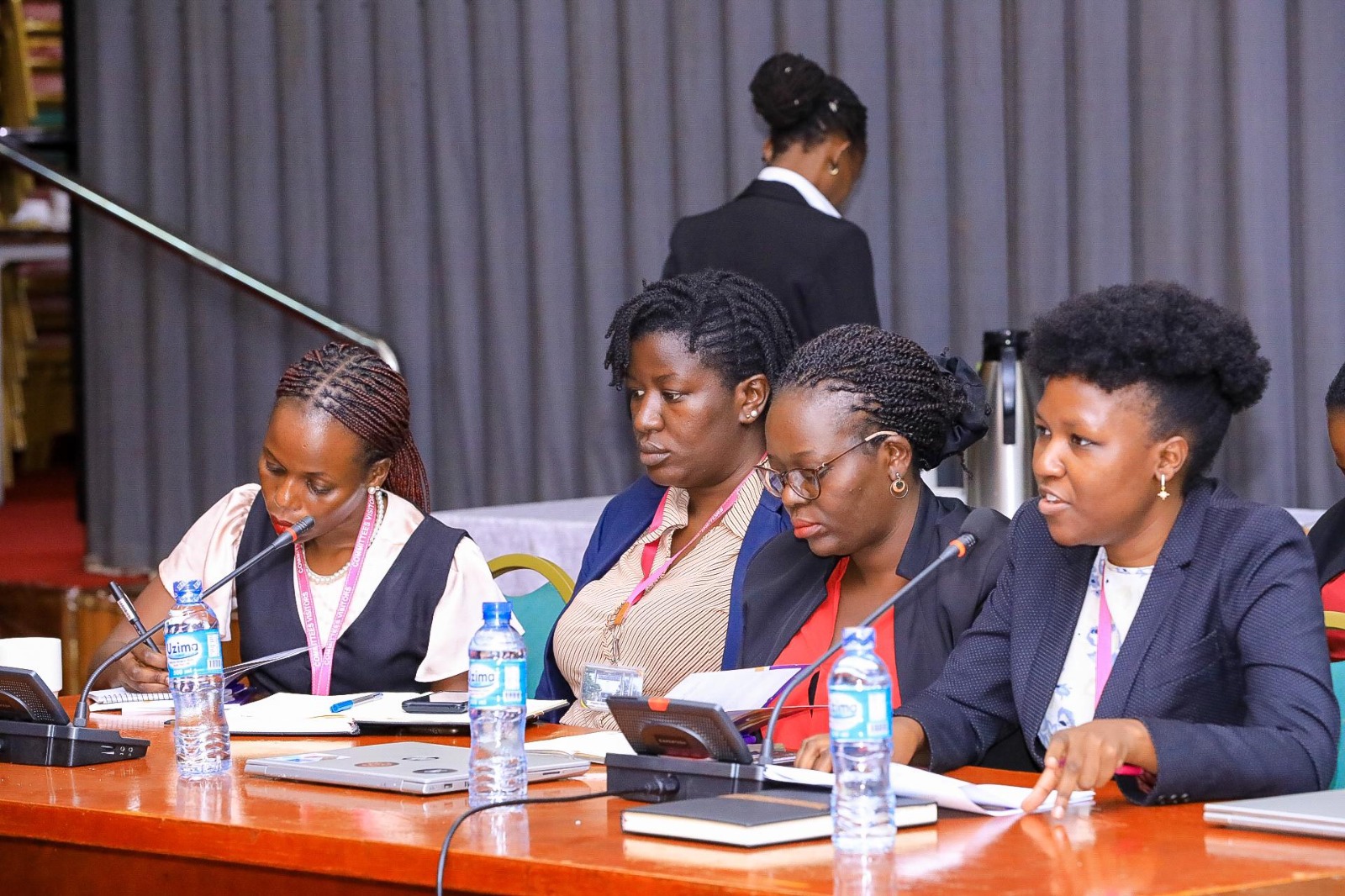
The Marriage Bill 2024, tabled by Tororo District Woman Representative Sarah Opendi, aims to reform marriage laws in Uganda
By Our Reporter
Kampala, Uganda – Women activists have strongly opposed a controversial proposal in the Marriage Bill 2024 that seeks to allow polygamy in civil marriages, arguing that the bill unfairly favors men while denying women the same rights. The activists, led by Rose Wakikona, Deputy Executive Director of the Women's Probono Initiative (WPI), voiced their concerns during a session with Parliament’s Committee on Gender, Labour, and Social Development, which is currently scrutinizing the bill.
The Marriage Bill 2024, tabled by Tororo District Woman Representative Sarah Opendi, aims to reform marriage laws in Uganda. However, a clause proposing to open civil marriages to polygamy has sparked outrage among women’s rights advocates. Currently, civil marriages in Uganda are strictly monogamous, but the bill seeks to change this by permitting men to marry multiple wives without extending the same right to women.
Polygyny vs. Polyandry: A double standard
Wakikona criticized the bill for its one-sided approach, pointing out that it only allows for polygyny (a man having multiple wives) while excluding polyandry (a woman having multiple husbands). She argued that this undermines the principle of gender equality enshrined in Uganda’s constitution and international conventions the country has ratified.
“When we read this Marriage Bill, we realize that polygamy and its interpretation is only polygyny. This law doesn’t allow for polyandry, which is essential for advancing equal rights for men and women. It only allows men to marry multiple spouses but denies women the same option. If men are granted such entitlements in marriage, women should equally be allowed to marry more than one spouse,” Wakikona stated.
Monogamy as a standard for equality
The Women's Probono Initiative defended the current system of monogamy, emphasizing its alignment with international human rights standards. Wakikona highlighted that Uganda is a signatory to the Convention on the Elimination of All Forms of Discrimination Against Women (CEDAW) and the Maputo Protocol, both of which promote monogamy as the ideal form of marriage. These conventions advocate for equality and women’s rights, which Wakikona argued cannot be fully realized in polygamous relationships.
“Historically in Uganda, civil marriages have always been monogamous. By introducing polygamy into civil marriages, we fear that Uganda is setting a new standard where polygamy becomes the norm, leaving women with no choice but to endure polygamous relationships. This move contradicts the human rights-based values we are striving to uphold,” Wakikona explained.
Concerns over women’s rights
Activists warned that the proposed changes could exacerbate gender inequality and violate women’s rights. They argued that polygamy often places women at a disadvantage, as it can lead to unequal distribution of resources, emotional neglect, and limited autonomy for wives in such unions.
“This bill risks creating a system where women are forced into polygamous marriages without their consent or ability to negotiate their rights. It undermines the progress we’ve made toward gender equality and women’s empowerment,” Wakikona added.
Calls for rejection of the proposal
The Women's Probono Initiative and other women’s rights organizations are calling on Parliament to reject the proposal to introduce polygamy in civil marriages. They are urging lawmakers to uphold monogamy as the standard for civil unions, emphasizing its role in promoting equality, stability, and mutual respect in marriages.
“We urge Parliament to consider the long-term implications of this bill on women’s rights and gender equality. Polygamy should not be normalized in civil marriages, as it perpetuates inequality and undermines the dignity of women,” Wakikona concluded.
Next steps
The Marriage Bill 2024 is still under review by the Committee on Gender, Labour, and Social Development. The committee is expected to consider the concerns raised by women activists and other stakeholders before presenting its final recommendations to Parliament. As the debate continues, the bill’s implications for gender equality and women’s rights remain at the forefront of discussions.
Torch Media Africa