Written By | Fashion and Design Desk
A single runway collaboration turned into the luxury industry's latest heritage acquisition, as Chanel takes over Charvet — and quietly signals its ambitions in menswear
PARIS
Some acquisitions start with spreadsheets. This one started with a shirt.
Chanel has confirmed its acquisition of Charvet, the Place Vendôme shirtmaker founded in 1838, ending 188 years of independent family ownership at one of the last truly untouched names in French luxury heritage. The deal, finalized July 2, 2026, caps a courtship that began not in a boardroom but on the runway — when Chanel's artistic director Matthieu Blazy tapped Charvet to help realize his debut collection for the house.
FROM COLLABORATION TO ACQUISITION
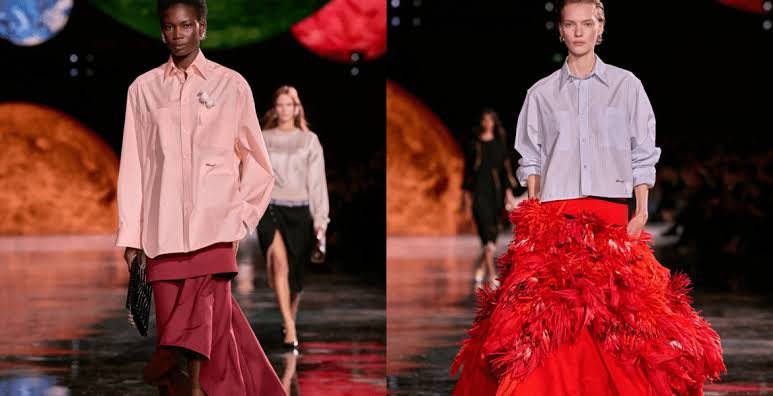
Blazy first worked with the family-owned atelier on his debut collection last October, commissioning a long-sleeved white shirt for women that retailed for more than $4,000 — an eyebrow-raising price that nonetheless sold out among the house's most devoted collectors. The partnership deepened for his first ready-to-wear collection for spring/summer 2026, where oversized cotton button-ups made with Charvet became one of the season's defining "It" pieces, photographed on Nicole Kidman, Jessie Buckley, and Jacob Elordi. According to people close to the deal, that creative exchange is precisely what sparked Chanel's ambition to secure the shirtmaker permanently rather than simply keep licensing its craft.
Financial terms of the acquisition were not disclosed, in keeping with Chanel's typical approach to its heritage-house purchases. What has been made explicit is the intent: Charvet will continue operating with what Chanel describes as full creative independence, even as it now sits under the umbrella of one of the world's most valuable luxury houses.
"We share the same approach to savoir-faire: with exacting standards, respect, and the conviction that such skills only truly flourish when rooted in longevity," said Bruno Pavlovsky, president of fashion activities at Chanel, in the official statement announcing the deal. Chanel further described the move as designed "to support, over the long term, the passing down of unique savoir-faire and the continued existence of an iconic French heritage house, while fully respecting its creative independence."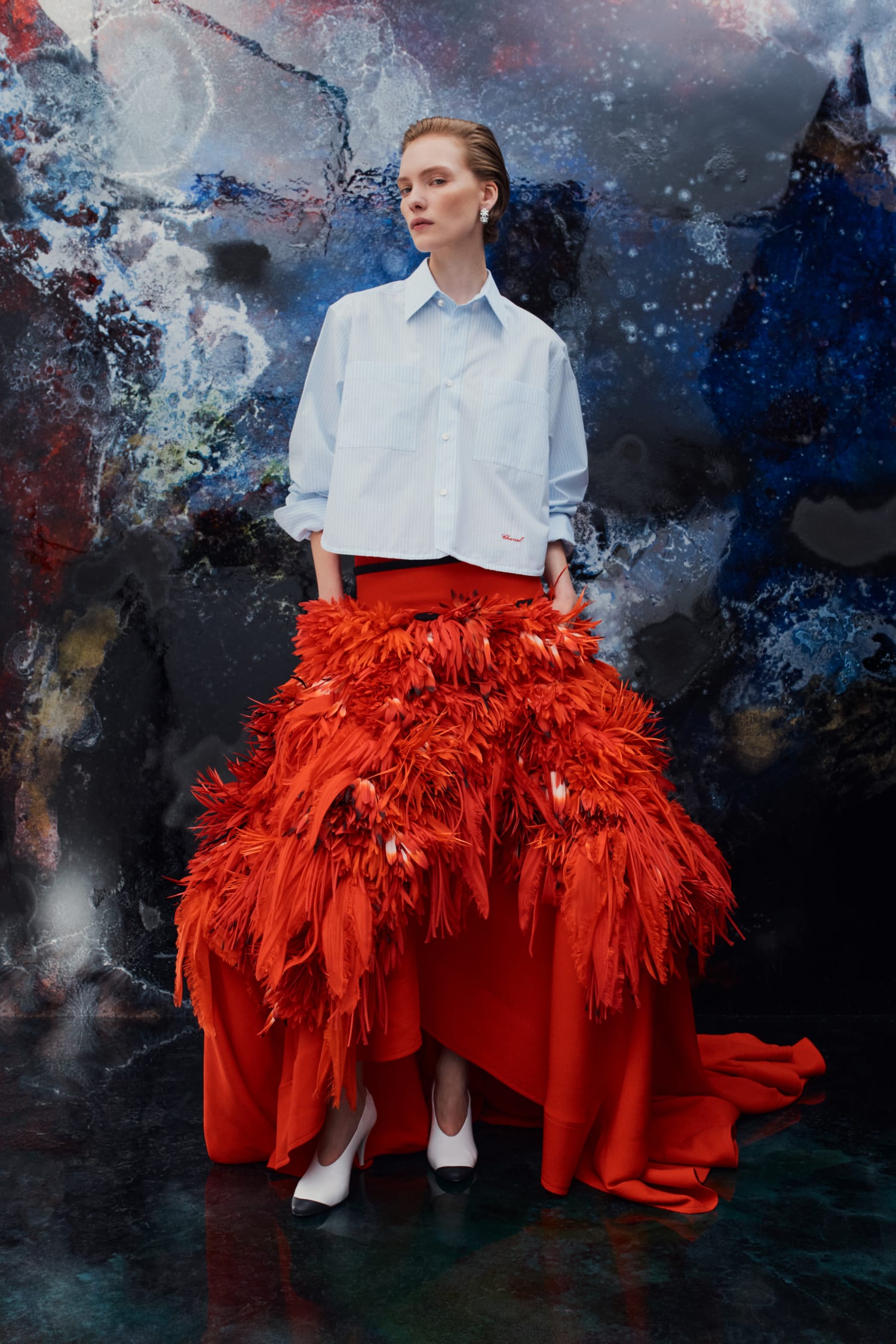
A HOUSE THAT DRESSED HISTORY
Charvet's significance to the deal isn't just craftsmanship — it's cultural weight. Since 1838, the atelier has quietly dressed some of the most consequential and stylish figures of the last two centuries: poet Charles Baudelaire, novelist Marcel Proust, wartime leader Winston Churchill, writer Jean Cocteau, President John F. Kennedy, designer Yves Saint Laurent, Chanel's own late creative director Karl Lagerfeld, and more recently David Beckham. Few brands anywhere can claim a client list spanning literature, politics, and fashion across three centuries without ever changing hands.
That continuity is part of what made Charvet attractive — and part of what makes the acquisition sensitive. Heritage maisons that get folded into larger luxury groups often face pressure to scale production, standardize sizing, or shift toward ready-to-wear economics that can dilute the bespoke traditions that made them desirable in the first place. Chanel's public emphasis on "creative independence" is a direct answer to that anxiety, though industry watchers note such assurances are also standard language in nearly every heritage acquisition of the past decade.
WHY THIS FITS A BIGGER PATTERN
This is not Chanel's first move to lock down the ateliers and artisans behind its collections. The house has spent more than two decades acquiring embroiderers, featherworkers, glovemakers, and other specialized craftspeople through its Métiers d'Art division, aiming to keep endangered French savoir-faire alive by giving small workshops financial stability they couldn't otherwise guarantee on their own. The Charvet deal extends that strategy into shirtmaking and, more pointedly, into menswear — a category where Chanel has historically had a much smaller footprint than its couture and womenswear businesses.
Industry analysts see the acquisition as a quiet signal of Chanel's ambitions to expand more seriously into menswear under Blazy, whose debut collections have already leaned into oversized, gender-fluid silhouettes that borrow heavily from traditional men's tailoring codes. Owning Charvet outright gives Chanel direct control over one of the most respected names in men's shirting — and, crucially, insulates that expertise from being licensed to or acquired by a rival house.
WHAT THIS MEANS FOR SHOPPERS AND FASHION FANS
For consumers, the near-term effect is unlikely to be dramatic — Charvet's shirts, largely made to measure and priced well into four figures, were never accessible to a mass audience, and that isn't expected to change. But the acquisition matters for anyone who follows the increasingly consolidated luxury landscape, where nearly every remaining independent heritage house eventually gets absorbed by one of a handful of conglomerates — Chanel, LVMH, Kering, or Richemont. Each acquisition like this one narrows the pool of genuinely independent artisanal names left in French fashion, a trend worth watching for anyone who cares about where true craftsmanship survives versus where it gets industrialized.
It also offers a preview of where Blazy may be steering Chanel more broadly: toward a menswear-inflected, archive-conscious aesthetic built on partnerships with the same kind of specialist ateliers that have long defined the house's couture identity. If the Charvet acquisition is any indication, expect more heritage names to make similar journeys from runway collaborator to owned subsidiary in the seasons ahead.
For now, the shirt that dressed Proust and Kennedy has a new owner — one that insists nothing about the atelier's identity needs to change, even as everything about its ownership just did.



