Written By | Health News Agencies
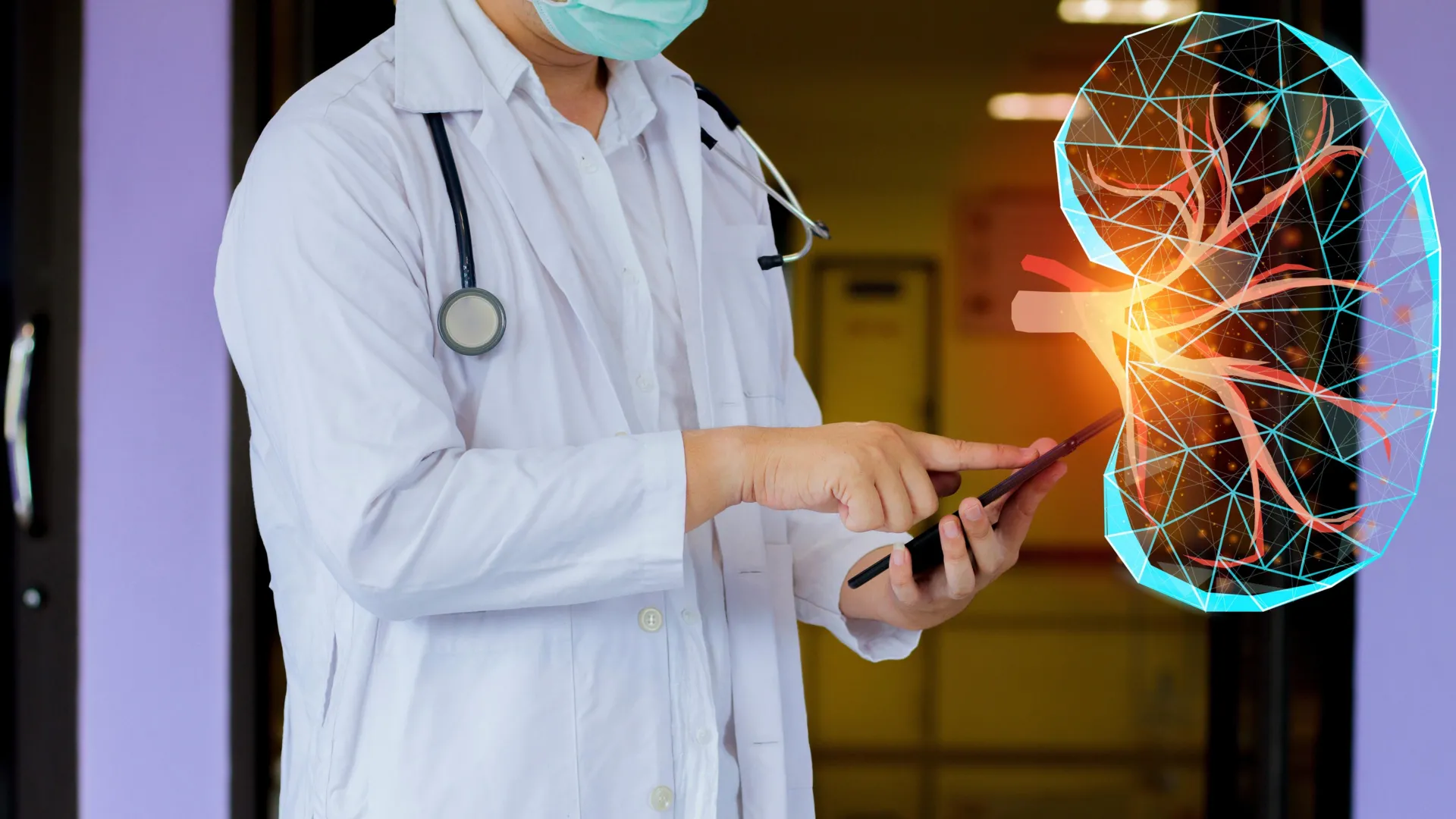
The kidney's ability to regulate water is one of the most fundamental processes in the body
For more than a century, every physiology textbook has told the same story about how the human body holds onto water: a hormone called vasopressin, released by the brain, tells the kidneys to reabsorb fluid and concentrate urine, full stop. It's one of the most fundamental, settled facts in renal medicine.
Fouad Chebib, M.D., a nephrologist at Mayo Clinic, just blew a hole in that certainty — and he did it almost by accident.
"The kidney's ability to regulate water is one of the most fundamental processes in the body," Chebib said of the discovery, published this month in the Journal of Clinical Investigation. "It's not every day that you uncover a new way it carries out that function."
The Experiment That Was Supposed to Fail
Chebib's lab studies autosomal dominant polycystic kidney disease (ADPKD) — an inherited condition in which fluid-filled cysts colonize the kidneys over decades, frequently ending in dialysis or transplant. An estimated 140,000 Americans live with the disease.
Using lab-grown kidney cell models, Chebib's team tested compounds they expected to accelerate cyst growth. One was probenecid — a drug developed in the 1940s to stretch wartime penicillin supplies by blocking the kidneys from flushing it out too quickly. Today it's occasionally used for gout.
"We thought this drug would make the disease process worse," Chebib said. "Instead, it did the opposite."
Probenecid didn't accelerate cysts. It slowed them down. The team ran the experiment again. And again. The result held.
Following the Clue to a Hidden Pathway
What the researchers eventually traced was a previously unrecognized biological circuit running through urate — the molecule that crystallizes painfully in the joints of gout patients. Inside kidney cells, urate acts as a signal, kicking off a chain of molecular events that pushes water channels to the surface of kidney cells, allowing them to pull water back out of urine and prevent dehydration.
Crucially, this entire process runs independently of vasopressin — the hormone every nephrology student has been taught controls it exclusively.
"This represents a distinct pathway from what is described in traditional physiology models," Chebib said. "It demonstrates that the kidney has an additional mechanism to preserve water."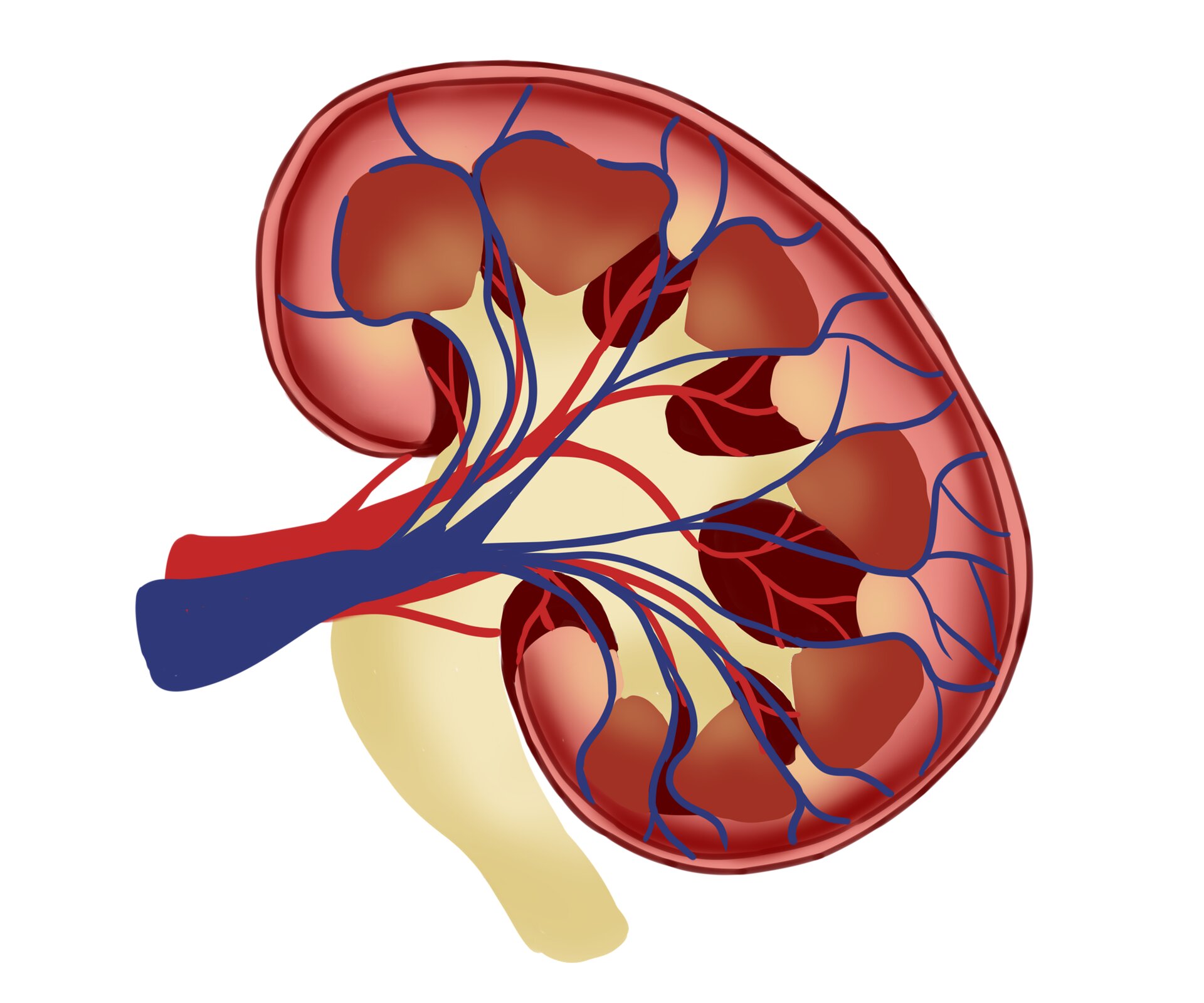
The Treatment That Works — But Makes Patients Miserable
Tolvaptan (Jynarque) is the only FDA-approved drug for PKD — a genuine success story with a brutal asterisk. By blocking vasopressin, it slows cyst growth, but it also strips away the body's main mechanism for concentrating urine, full stop.
The result: patients on tolvaptan routinely produce 6 to 7 liters of urine a day — more than triple a normal person's output — forcing a grinding cycle of constant thirst and frequent bathroom trips. Side effects have driven discontinuation rates as high as 23% in some studies.
This is where Chebib's accidental discovery becomes a potential lifeline. In preclinical work and a small clinical trial, the team added probenecid on top of standard tolvaptan treatment — and watched the worst side effect start to recede.
Patients' urine volume dropped by roughly 30% on average. Quality-of-life scores improved. Critically, the anti-cyst benefit of tolvaptan was preserved.
Not a Cure, But a Key
Here's the catch: probenecid itself isn't going to become the new standard add-on therapy. It's an 80-year-old drug with drug-drug interactions and a real risk of side effects. It's also no longer widely manufactured.
"Probenecid helped us uncover the mechanism," Chebib said. "Our goal is to take this insight and develop therapies designed specifically for this pathway."
In other words: probenecid was the rusty old key that opened a door nobody knew was there. Now that the door is open, Mayo's researchers want to cut a key built specifically for that lock.
A Personal Mission, Not Just a Lab Project
For Chebib, this isn't an abstract research interest. He was drawn into kidney research after his own father developed polycystic kidney disease.
"This has been a long and deeply purposeful journey," Chebib said. "It started with a personal motivation and led to something that could ultimately benefit patients."
Why This Matters Beyond PKD
Although the immediate clinical target is PKD, the implications of a vasopressin-independent water pathway reach further. Vasopressin-related water regulation problems show up across conditions including certain forms of diabetes insipidus, heart failure, and chronic kidney disease. A second route to controlling how the kidney handles water gives researchers an entirely new lever to pull.
What This Means for You
If you or someone you love is living with PKD and struggling with tolvaptan's side effects, this research doesn't translate into a new prescription tomorrow. Patients should not start adding probenecid on their own, given the drug interaction risks.
What it does mean is a credible reason for hope in a disease where treatment options have been stuck at exactly one for years. If the targeted therapy Chebib's team envisions pans out, patients could keep the cyst-slowing benefit of tolvaptan without the daily sacrifice that currently drives one in four people to quietly stop taking it.
The Bottom Line
An antibiotic-rationing trick from the 1940s just exposed a water-conservation pathway hiding in plain sight inside one of the body's most studied organs. For the roughly 140,000 Americans living with polycystic kidney disease — and millions more worldwide — that accidental discovery could be the first real step toward a treatment that doesn't force a choice between protecting your kidneys and living a normal life.
Sources: Journal of Clinical Investigation; Mayo Clinic; National Kidney Foundation; PKD Foundation



