Written By |

Molly Katanga is accused of killing her husband, businessman Henry Katanga
COURT - The High Court hearing of the murder case against Molly Katanga, accused of killing her husband, businessman Henry Katanga, was briefly halted last week after a heated dispute regarding the admissibility of evidence collected under a search warrant. Defence lawyer Elison Karuhanga contested the presentation of digital evidence obtained from video footage, mobile phones, and a video network recorder seized from the accused, arguing that the prosecution had not provided these items to the defence as requested.
The defence team, which includes prominent attorneys Peter Kabatsi, MacDosman Kabega, Jet Tumwebaze, and Bruce Musinguzi, argued that the search warrants authorizing the evidence collection were obtained under questionable circumstances. Specifically, Karuhanga contended that Detective Sgt. David Beteise’s affidavits had been commissioned by the same magistrate, Opio, who later granted the search warrants, a situation they claimed breached legal ethics and procedure. Citing Section 4 of the Advocates Act, Kabega asserted, “A Commissioner of Oaths shall not exercise their powers in any proceedings or matter in which they are an advocate or have an interest.”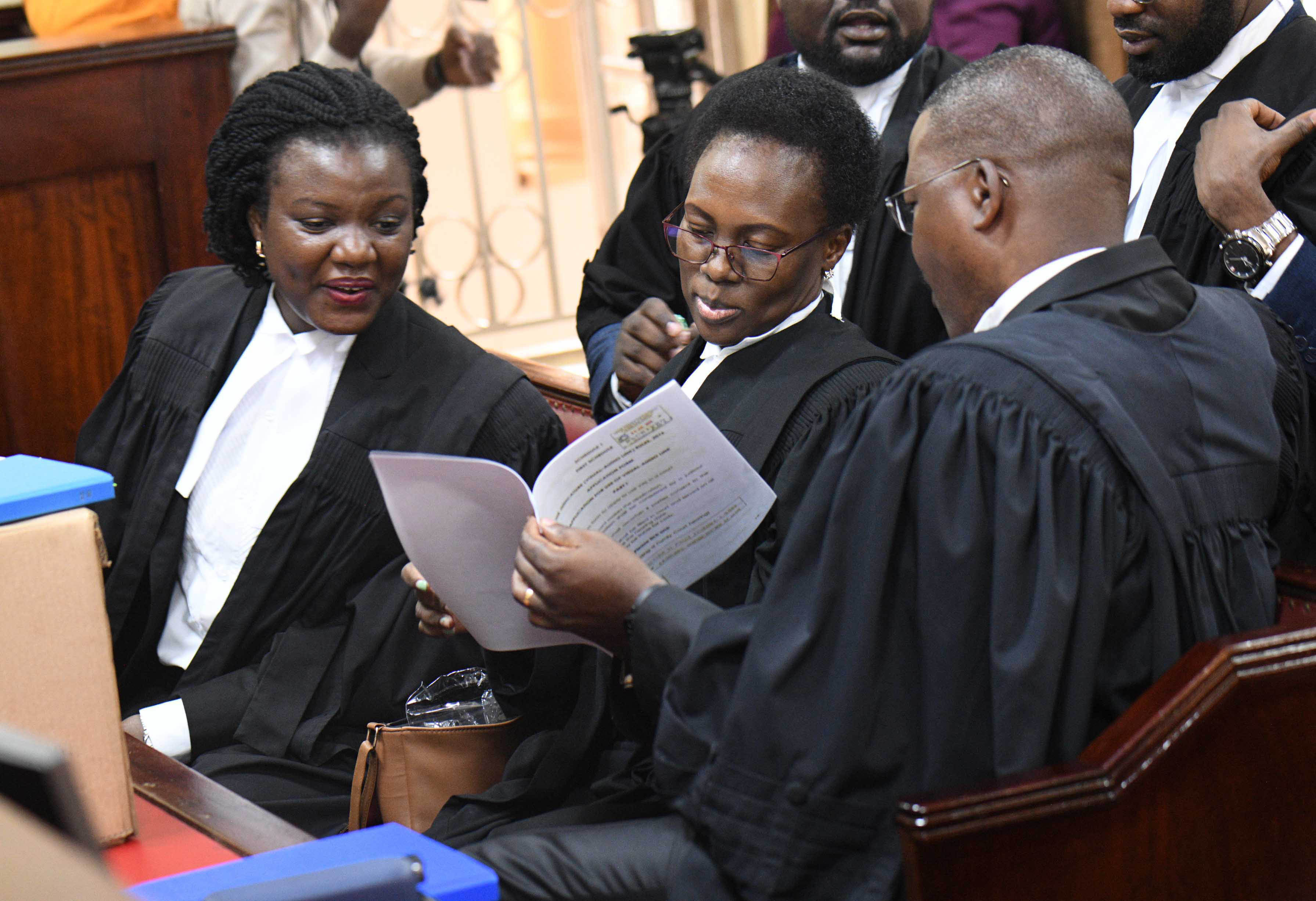
Furthermore, Kabega highlighted procedural issues, arguing that the orders to extract digital evidence from phones were granted under the Computer Misuse Act but were improperly authorized by a Grade II magistrate without the jurisdiction required under Section 31 of the Act.
The prosecution, led by Samali Wakooli, Assistant Director of Public Prosecutions, countered that the disclosed forensic report contained all relevant evidence. Wakooli argued that only pertinent digital information had been included in the report, maintaining the integrity of the evidence chain and complying with privacy laws. The prosecution suggested that if the defence required further access, the accused could provide written consent to access the raw data.
Assistant DPP Wakooli further argued that pre-trial physical access to electronic devices could compromise the chain of custody, a critical factor in digital evidence handling. “Disclosure of the gadgets or raw data is done by way of reports or exhibit slips as opposed to physical access or handing over,” she explained.
Justice Isaac Muwata is expected to rule on the defence’s objections, with further examination of the evidence admissibility set for the next hearing.
Torch Media Africa



