Written By | Fashion and Design Desk
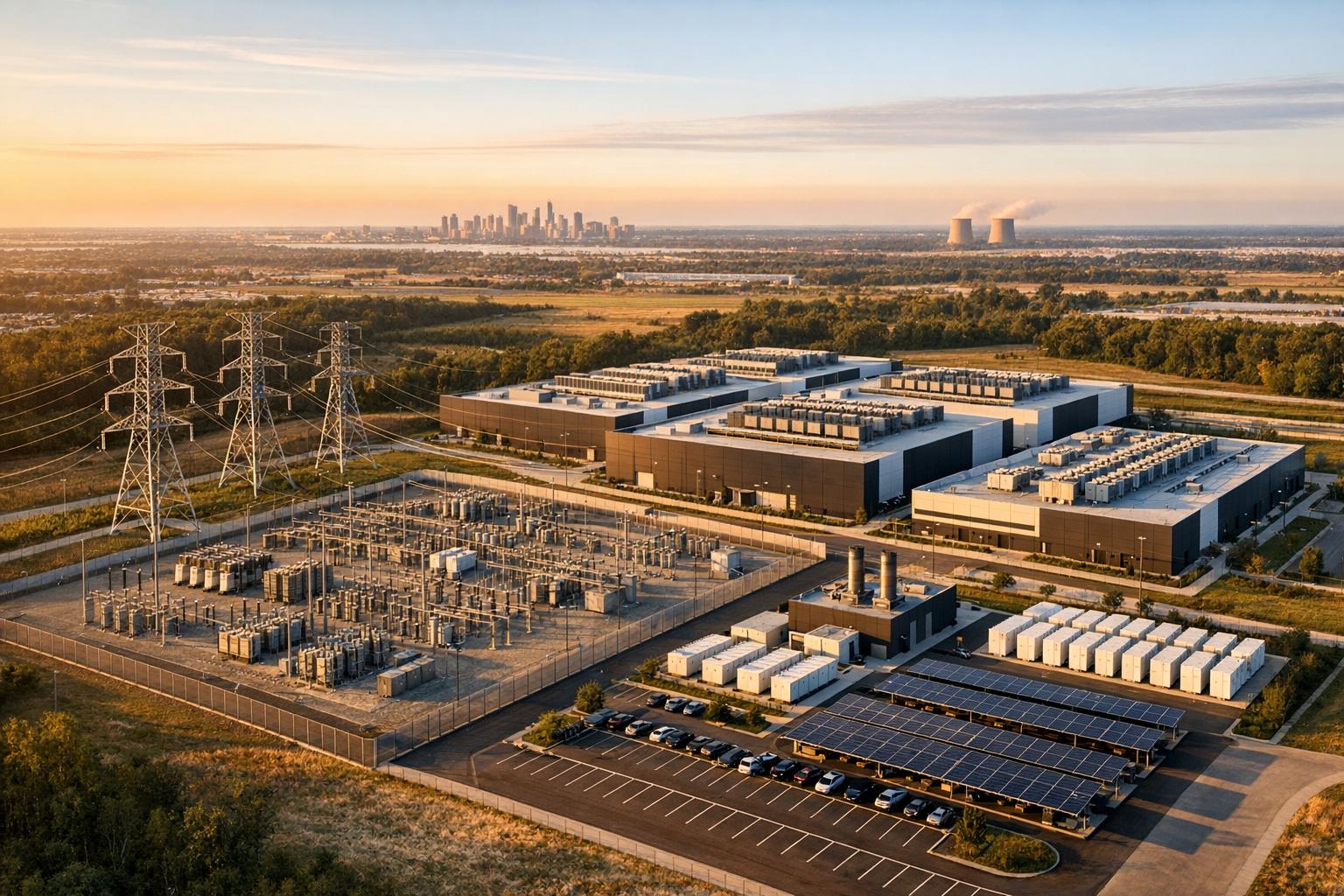
As hyperscale facilities sprawl across the US and public opposition grows, designers are arguing that the buildings powering AI deserve better design.
LONDON/NEW YORK
They are among the largest buildings of the 21st century, and most of us could not tell you what one looks like. Data centres, the vast, windowless warehouses that make AI, streaming, and cloud storage possible, are multiplying across the United States at breakneck speed. Now, as architecture publications devote a week of coverage to the subject, a pointed question is being asked: why are the buildings that run our digital lives so bad at being buildings?
A Boom Meets a Backlash
The scale is difficult to overstate. According to a recent Dezeen analysis, global spending on data-centre infrastructure is projected to reach about $800 billion in 2026, driven by the surge in AI demand. Yet nearly 70 percent of Americans oppose data-centre construction, in large part because of the facilities’ appetite for land, water, and electricity.
That gap between investment and public trust is the design problem in a nutshell. These are not small, discreet structures. They arrive as enormous boxes, often on the edges of towns, with little to offer the communities that host them beyond tax revenue and a steady hum.
“Data centers are, in general, an example of poor design.” — Marina Otero Verzier, architect and academic
The Architect Who Saw It Coming
Spanish academic Marina Otero Verzier has been thinking about this long before it was fashionable. Her research into data-centre architecture won her the 2022 Wheelwright Prize, and her assessment is blunt. Developers, she and others note, have historically treated data centres as engineering projects rather than architectural ones: a matter of racks, cooling, and power, with design as an afterthought.
Her vision goes further than prettier walls. She imagines data centres as public “repositories of collective knowledge,” buildings that serve ecological and social purposes as well as technical ones. It is an ambitious reframing: if a facility stores the sum of what we know, perhaps it should look and behave like a library or a civic institution rather than a fortress.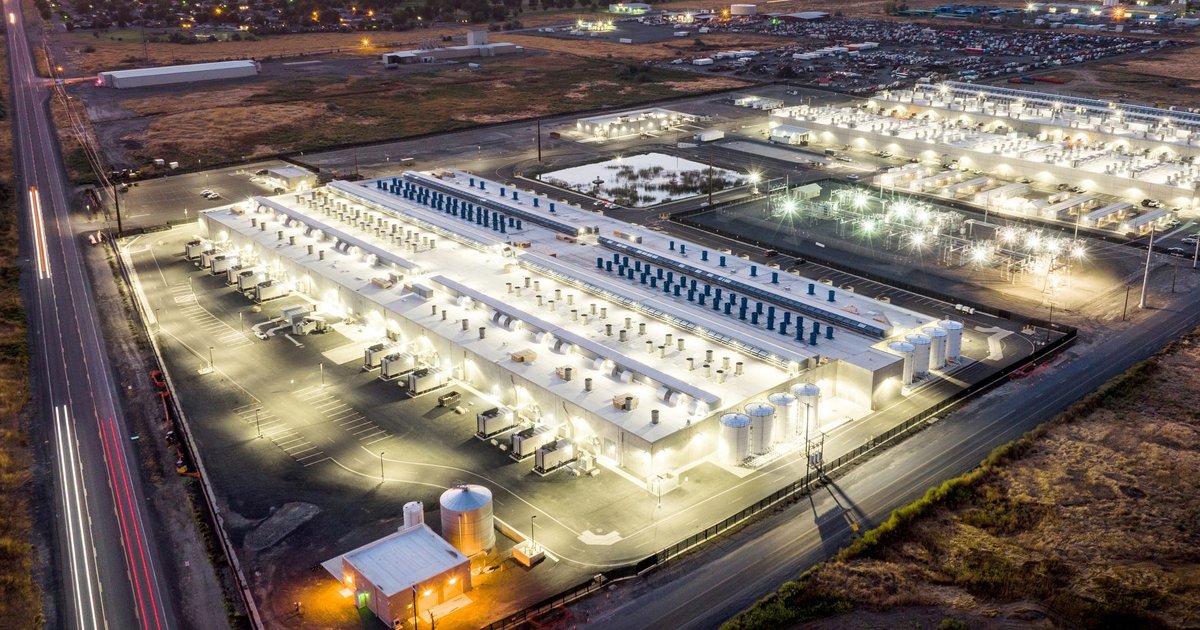
Three Competing Answers
The industry is beginning to respond, and the approaches vary widely.
The first is the facade fix. Firms like Gensler have begun giving data centres more visual character, with striated facades echoing Utah’s desert mountains or weathering-steel skins in Arizona. Critics call this lipstick on a very large pig: it changes how the building looks without changing what it does.
The second is mixed use. Studio Grimshaw has presented an urban model in which a data centre anchors a wider development including homes, shops, and urban farms, with waste heat recirculated to warm the neighborhood. It treats the building’s biggest liability, heat, as an asset.
The third is going vertical. SOM has designed a high-rise data centre for Kansas City, an attempt to shrink the footprint. Most architects concede this approach has limited reach because of cost, maintenance demands, and the sheer speed at which facilities must be built.
The Industry Starts to Listen
Encouragingly, the people who finance these projects seem open to the argument. Daniel English of Legacy Investing says, “Architects have a ton of value to add to the data center conversation.” That is a notable shift in tone from a sector that spent years prioritizing speed above all else.
Environmental concerns add urgency. Earlier this year, Dezeen reported on research linking data centres to heat-island effects worldwide, a reminder that these buildings reshape the climate around them, not just the skyline.
Why Architects Were Missing From the Room
The absence of architects from data-centre development has a simple explanation: speed and cost. When a technology company needs capacity quickly, a standardized shed is the fastest path from land purchase to server racks. Design review, community consultation, and contextual response all take time, and in a market racing to keep up with AI demand, time is the scarcest resource of all.
The result is a generation of buildings that look alike from Virginia to Arizona. They are efficient in the narrow sense, but they give neighbors little to love and little reason to welcome them. Architects argue that the cost of that anonymity is now showing up as public opposition, delayed permits, and legal fights, all of which carry their own price tags.
Lessons From Other Infrastructure
History offers encouraging precedents. Power stations, water-treatment plants, and railway termini were once dismissed as purely functional, until designers and civic leaders decided they could also be landmarks. Some of the most admired buildings in older cities are infrastructure that someone took seriously as architecture.
The comparison is imperfect, because data centres are privately owned and rarely open to visitors. But it suggests a path: attach public benefits, such as heat for nearby homes, educational space, or green landscapes, and the building becomes a neighbor rather than an imposition.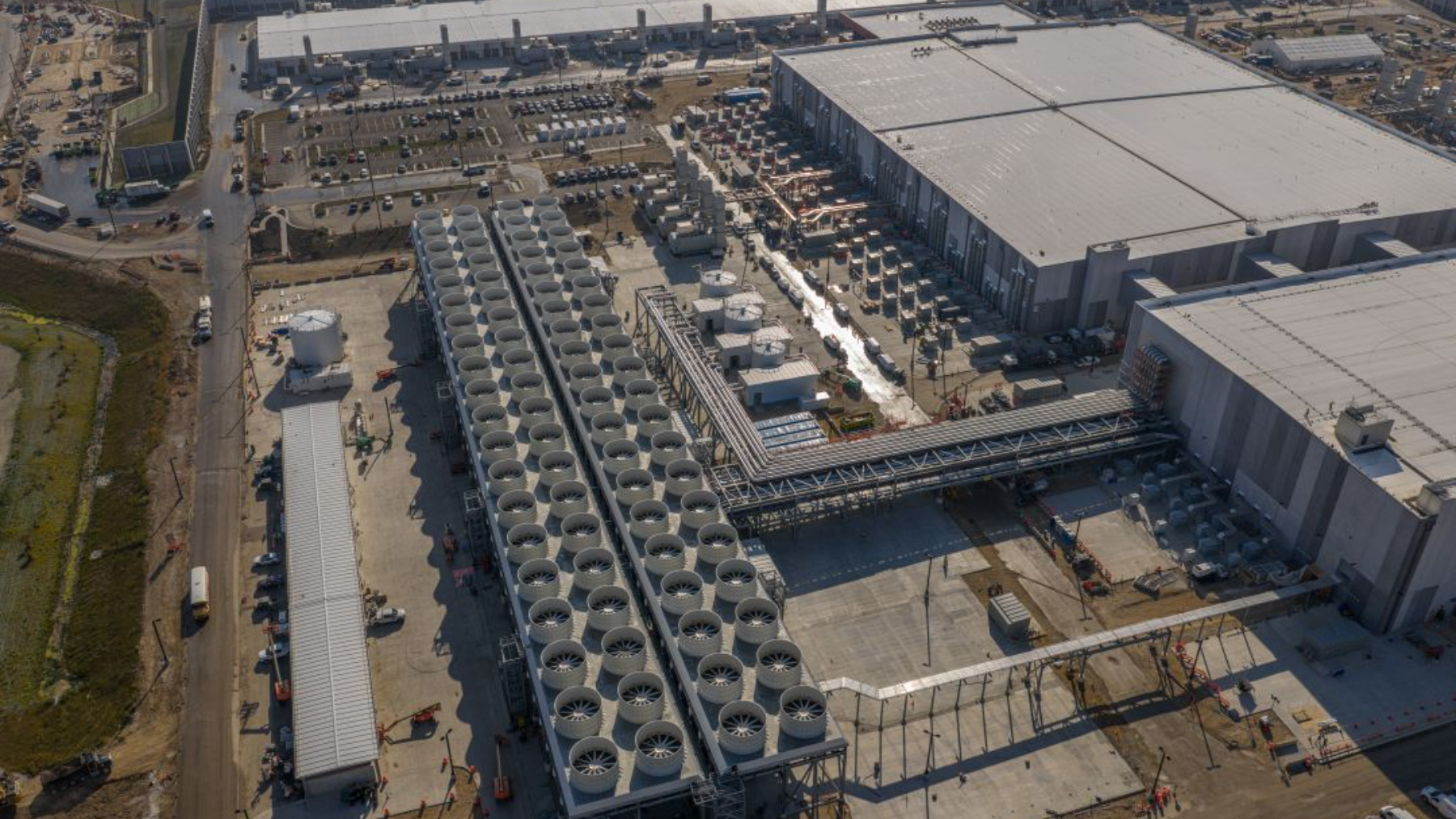
The Hard Questions
Good design cannot solve every problem. A beautifully clad data centre still consumes enormous energy and water. The deeper challenge is whether architects can influence siting, resource use, and community benefit, not merely appearance. That is a question of policy and economics as much as aesthetics.
But design is not irrelevant, either. Where a building sits, how it meets the street, what it does with its heat, and whether anyone is invited inside all shape public attitudes. If 70 percent of Americans currently say no, the industry has a strong incentive to find designs that move the number.
What This Means for You
Whether or not you ever step inside one, you likely live near, or will soon live near, a data centre. Local planning meetings are where these decisions are made, and residents who attend can press for meaningful commitments: water-use limits, heat reuse, public access, and landscaping that goes beyond a wall of gray panels.
It also changes how we think about our own digital habits. Every photo backed up and every AI query has a physical home somewhere. Understanding that home, and demanding that it be designed with care, is part of being an informed citizen of a connected world.
The Bottom Line
The AI age has produced an architecture problem it did not plan for. Facade tweaks will not be enough, and no single firm holds the answer. But as architects, investors, and communities begin to talk to each other, the windowless giants may finally get what every great building needs: a reason to belong where they stand.



