Written By | Health News Agencies
More than 960 confirmed infections, 229 dead, and a fatality rate outpacing last year's — health workers on the front line are dying too, and there's still no vaccine in sight
Science
The fever hits fast. First it feels like malaria — aches, a headache that won't quit, a temperature that keeps climbing. By the time it's Lassa fever, it can be too late. Blood leaks from the gums. The kidneys begin to fail. In the worst cases, patients bleed out from every orifice while doctors, wearing what protective gear they can scrounge, watch helplessly.
This is the nightmare unfolding across Nigeria right now, in a Lassa fever outbreak that health officials say is worse than anything the country has logged in years. As of the latest Nigeria Centre for Disease Control and Prevention (NCDC) situation report, covering the week ending July 12, 2026, the country has recorded 963 confirmed cases, 6,554 suspected cases, six probable cases, and 229 confirmed deaths across 23 of Nigeria's 36 states. The case fatality rate among confirmed infections has climbed to 23.8 percent — meaning nearly one in four people who catch a confirmed case of the virus does not survive. That's markedly worse than the 18.7 percent fatality rate recorded during the same stretch of 2025.
And the virus isn't sparing the people trying to stop it. Fifty healthcare workers have been infected so far this year, according to NCDC data, with several confirmed deaths among clinical staff. Doctors, nurses and lab technicians in some of Nigeria's hardest-hit states are now working shifts inside isolation wards knowing that the very patients they're trying to save could be the ones who infect them next.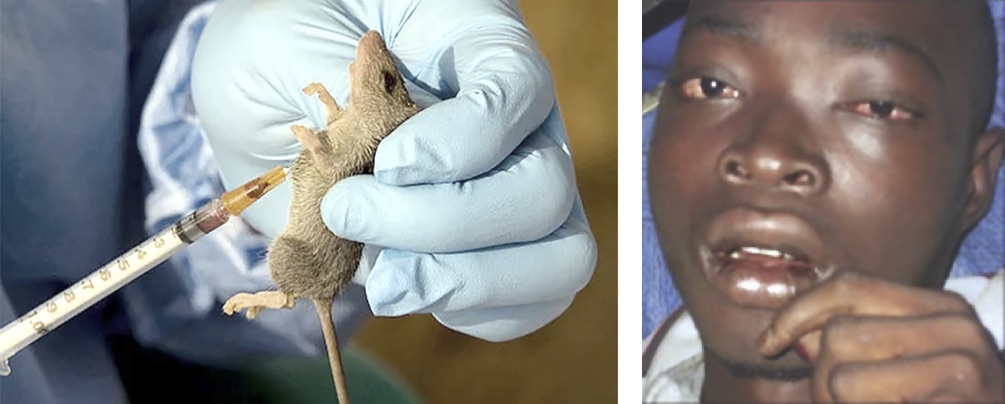
A VIRUS THAT NEVER REALLY LEAVES
Lassa fever isn't new to Nigeria — it's been endemic in West Africa for decades, first identified in the Nigerian town of Lassa in 1969. What makes this year's outbreak so alarming is its scale and its stubbornness. The disease usually peaks during the dry season, roughly November through April, then tapers off as the rains return. This year, cases are still surging into the wet season, refusing to follow the script.
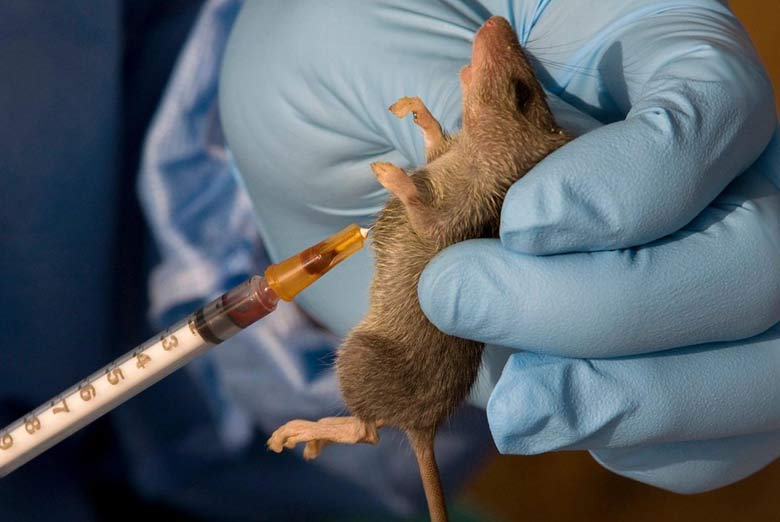
The virus spreads primarily through contact with the urine or droppings of the Mastomys rat — commonly known as the "multimammate rat" — a rodent that thrives in and around Nigerian homes, particularly in rural and semi-urban communities where food storage and sanitation infrastructure are limited. Humans typically get infected by eating food contaminated with rodent excrement, breathing in dust containing dried rat urine, or through direct contact with the animals. Once a person is infected, the virus can also spread human-to-human through contact with blood, tissue, secretions or other bodily fluids of an infected person — which is precisely how healthcare workers keep getting pulled into the outbreak's blast radius.
The geography of this year's surge tells its own story. Five states — Bauchi, Ondo, Taraba, Benue and Edo — account for the overwhelming majority of the country's confirmed cases, representing 85 percent of infections in the last week of June and 86 percent the following week, according to NCDC's weekly breakdowns. These states span Nigeria's north-central and south-south regions, underscoring how widely the rodent reservoir for the virus has embedded itself across diverse ecological zones.
NCDC Director-General Dr. Jide Idris has been blunt about the stakes for the people delivering care. In a joint national advisory issued with the Nigerian Medical Association earlier this year addressing the mounting toll on clinical staff, Dr. Idris stressed that "protecting healthcare workers is a key priority," pointing to the growing number of infections among physicians, nurses and lab personnel as a crisis within the crisis. Earlier in the year, when the case count among health workers stood at 39, NCDC and NMA jointly called for stronger infection prevention and control protocols in hospitals and clinics, particularly in facilities in high-burden states that may be under-resourced for the kind of barrier nursing Lassa patients require.
WHY THIS YEAR IS DIFFERENT
Epidemiologists tracking the outbreak point to a grim arithmetic: case numbers alone don't explain why more people are dying. The elevated case fatality rate — nearly a quarter of confirmed patients — suggests either that the strain circulating this year is more virulent, that patients are arriving at treatment centers later in the course of their illness, or that overstretched health systems in the hardest-hit states are struggling to deliver the supportive care and antiviral treatment (typically the drug ribavirin, most effective when given early) that can mean the difference between survival and death.
Late presentation is a chronic problem with Lassa fever because its early symptoms mimic so many other common illnesses in the region — malaria, typhoid, even the flu. Roughly 80 percent of people infected with Lassa virus experience mild or no symptoms at all, which helps the virus spread quietly before anyone realizes an outbreak is underway. It's the remaining 20 percent — those who develop severe multi-organ disease — who account for the devastating fatality figures, and by the time hemorrhagic symptoms appear, clinicians are often racing against a clock that's already run out.
Compounding the problem: unlike Ebola, which now has two licensed vaccines (though notably neither works against the Bundibugyo strain currently circulating in Central Africa), there is still no approved vaccine for Lassa fever anywhere in the world. Several candidates are in various stages of clinical development, backed by organizations including the Coalition for Epidemic Preparedness Innovations (CEPI), but none has yet crossed the finish line to licensure. For now, prevention rests almost entirely on old-fashioned rodent control — sealing food away from rats, maintaining clean environments, and setting traps — a strategy that is only as effective as the public health infrastructure available to promote and sustain it.
THE HUMAN TOLL BEHIND THE NUMBERS
Behind every entry in NCDC's weekly case count is a family thrown into crisis. In endemic states like Ondo and Edo, community health workers describe a familiar and exhausting cycle: a patient arrives at a rural clinic with a fever that looks like malaria, is treated for malaria, doesn't improve, and only after precious days have passed is finally tested and confirmed for Lassa — by which point the disease may have already progressed to its most dangerous phase.
Nigerian health advocates have also raised concerns about the economic ripple effects of the outbreak. Households in high-burden rural communities often depend on subsistence farming and small trade; a single Lassa fever hospitalization can wipe out savings and pull children out of school to cover lost income, even before factoring in the trauma of losing a parent, sibling or breadwinner to a disease many outsiders have never heard of.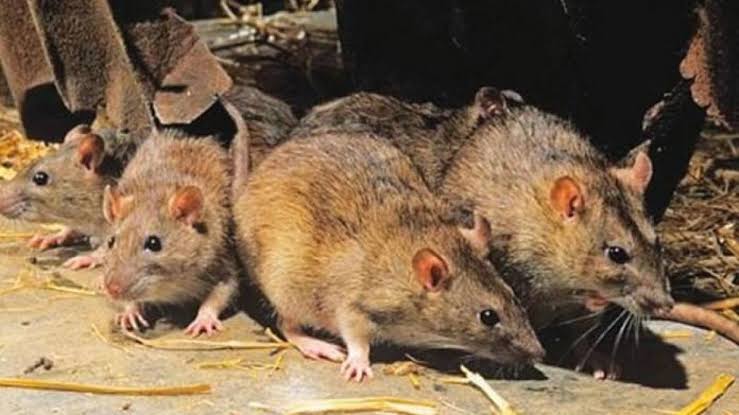
WHAT EXPERTS ARE WATCHING NEXT
Infectious disease specialists monitoring the outbreak say the coming months will be critical. Nigeria typically sees case numbers taper as dry-season conditions ease, but the persistence of transmission into the traditionally quieter months has some researchers questioning whether shifting rainfall patterns, urbanization encroaching on rodent habitats, or gaps in surveillance are altering the disease's usual seasonal rhythm. Public health officials have called for expanded laboratory testing capacity across the 23 affected states, faster diagnostic turnaround so patients can start ribavirin treatment sooner, and sustained funding for the kind of community rodent-control campaigns that have proven effective in the past when properly resourced.
International health bodies, including the World Health Organization, continue to classify Lassa fever as a priority pathogen warranting accelerated vaccine research, alongside other viral hemorrhagic fevers. But with no vaccine yet available and Nigeria's health system already stretched thin by other simultaneous public health demands, this year's outbreak is a reminder of how quickly a disease that rarely makes international headlines can still exact a devastating human cost.
WHAT THIS MEANS FOR YOU
For readers outside West Africa, Lassa fever remains a low personal risk — the virus requires either direct rodent exposure or close contact with an infected person's bodily fluids, and it does not spread through casual contact or through the air like a respiratory virus. However, travelers to Nigeria and neighboring West African countries, particularly those visiting rural areas or spending extended time in local communities, should be aware of the current outbreak, avoid contact with rodents, ensure food and water are properly stored and covered, and seek immediate medical attention if fever, headache or unusual bleeding develop after travel to the region. Anyone with recent travel history to affected areas who develops these symptoms should tell their doctor about the trip, since Lassa fever's early symptoms are so easily mistaken for more common illnesses.
For those living in or supporting response efforts in Nigeria, health officials are urging strict adherence to infection prevention protocols in healthcare settings, rapid reporting of suspected cases, and community-level rodent control as the most effective tools available while vaccine research continues.
THE BOTTOM LINE
Nigeria's 2026 Lassa fever outbreak has already claimed more lives, in a shorter window, than the country has seen in recent memory — and it's doing so with a fatality rate creeping toward one in four. With healthcare workers themselves falling ill, no vaccine on the immediate horizon, and transmission refusing to follow its usual seasonal decline, the outbreak stands as a stark illustration of how a virus discovered more than half a century ago can still overwhelm modern health systems when surveillance, funding and rapid diagnosis fall short. As NCDC continues its week-by-week tracking, the real test will be whether Nigeria's health infrastructure can outpace a disease that, for now, still has the upper hand.
If you are experiencing anxiety related to health outbreaks or infectious disease news, know that this is a common reaction to unsettling public health information, and speaking with a healthcare provider or trusted support resource can help.



