Written By |
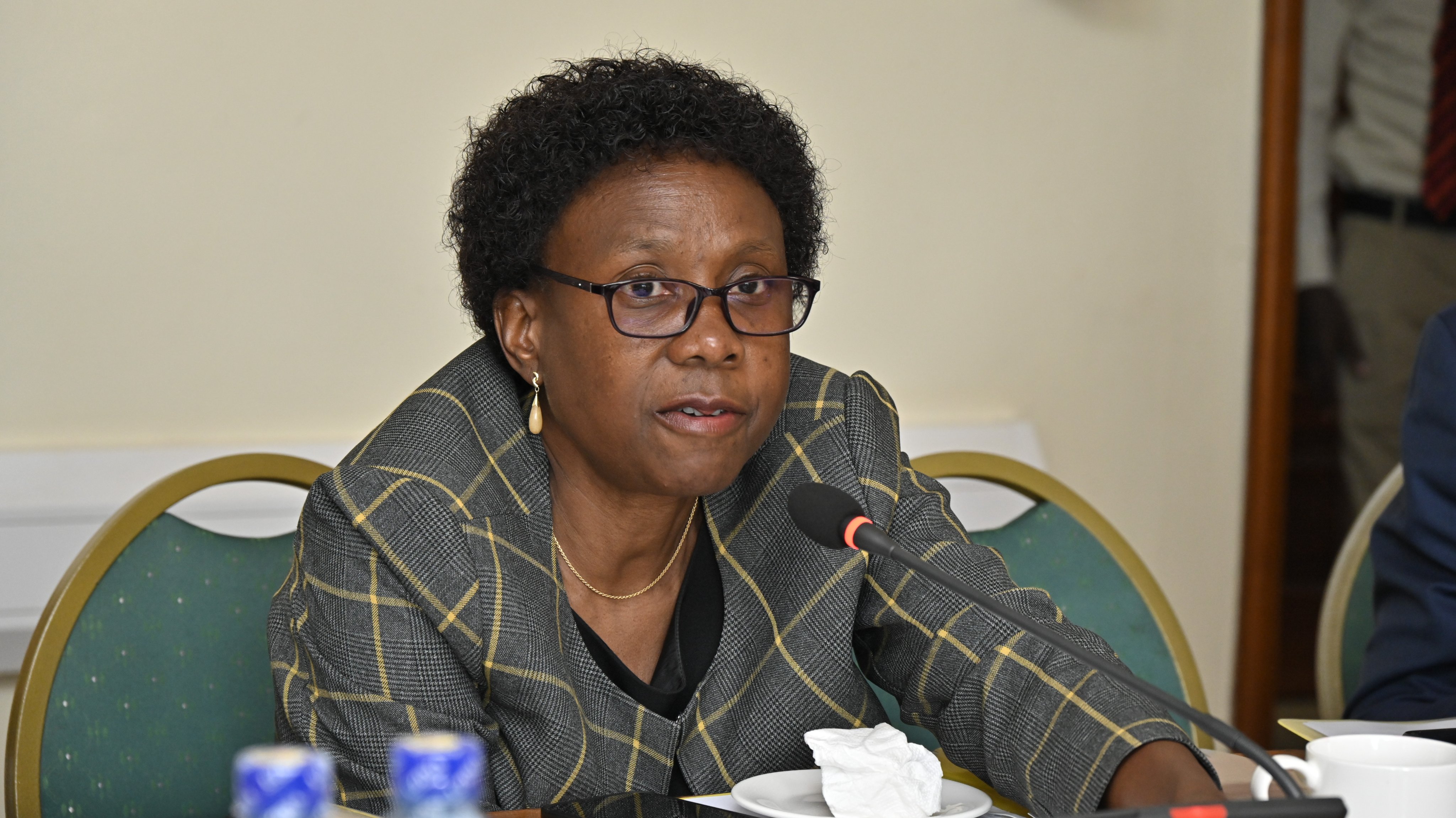
Dr. Aceng argued that the funding would significantly improve cancer care in the country and ease the burden on overwhelmed oncologists
By Our Reporter
KAMPALA — The Minister of Health, Dr. Ruth Aceng, has defended the government’s proposal to borrow $18.09 million (UGX 65.9 billion) from the African Development Fund to finance the expansion and equipping of the Uganda Cancer Institute (UCI). Dr. Aceng argued that the funding would significantly improve cancer care in the country and ease the burden on overwhelmed oncologists.
Speaking before Parliament’s National Economy Committee, Dr. Aceng highlighted Uganda’s role as part of the East African Centres of Excellence for Skills project. Under the initiative, Uganda leads in oncology, while Tanzania and Kenya focus on cardiology and nephrology, respectively. However, she noted that Uganda’s progress was hampered by the COVID-19 pandemic, necessitating additional resources.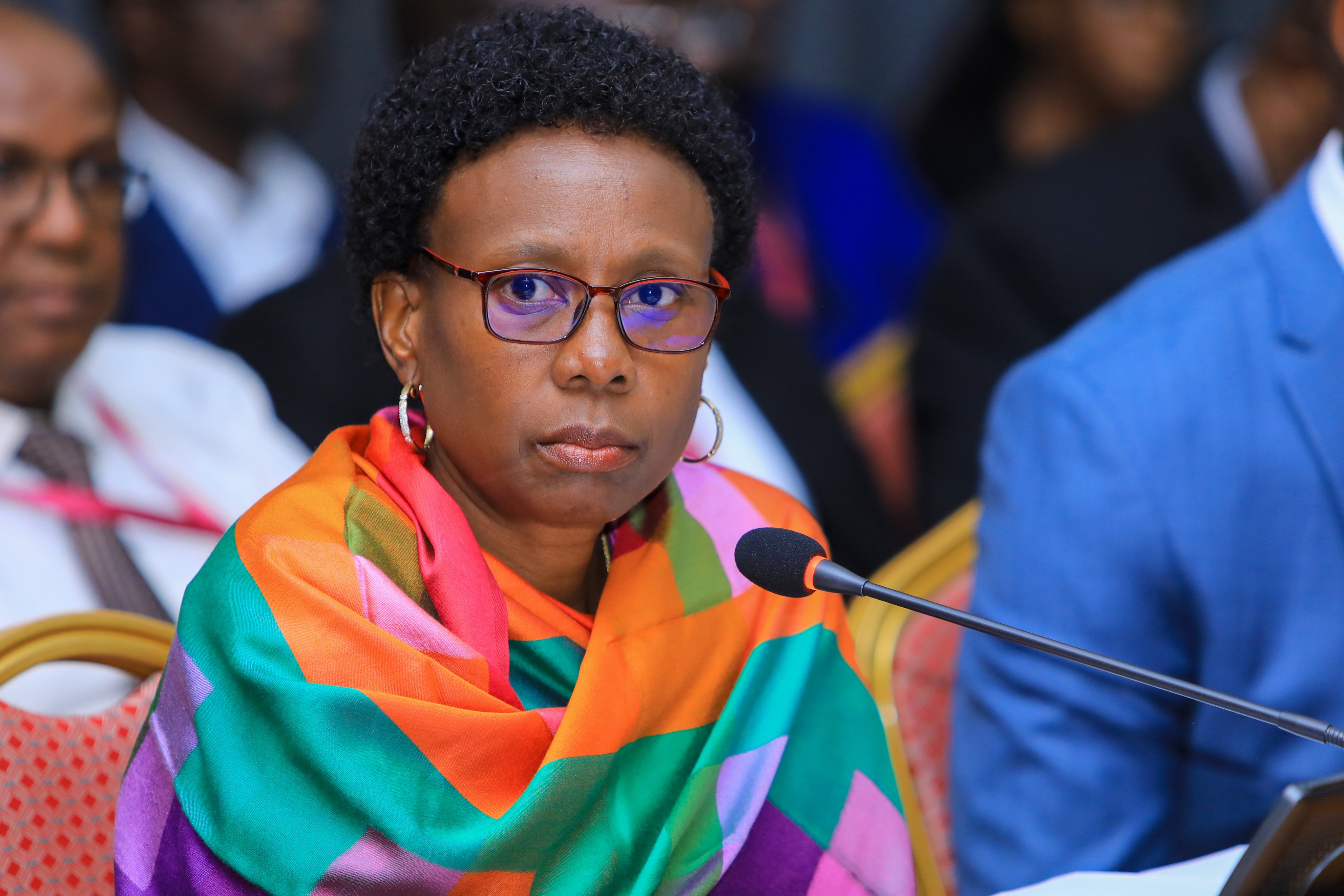
Dr Ruth Aceng
“Doctors overwhelmed”
Dr. Aceng painted a grim picture of the conditions at the UCI, describing overwhelming congestion and overworked oncologists.
“If you stepped inside the Uganda Cancer Institute today, from the doorways to the corridors and even near the washrooms, you will find patients. In other countries, one doctor may attend to one or two patients a day. Here, they see so many in a day that it affects the quality of care. We need to train more oncologists, recruit them, and remunerate them better,” she stated.
Project delays and cost escalations
The Minister of State for Finance, Henry Musasizi, explained that the initial timeline for the project was 24 months. However, delays caused by COVID-19 and financial challenges faced by contractors stretched the construction period to over 42 months. The delays also resulted in increased costs for materials and labor.
“The demand for cancer care is growing. This, coupled with inadequate infrastructure, has hampered the UCI’s ability to provide effective services. The limited space has led to overcrowding, increased complications, premature deaths, and costly referrals abroad. For instance, over 500 adult patients are currently on the waiting list for nuclear medicine. Expanding treatment and care facilities is a priority for the government,” said Musasizi.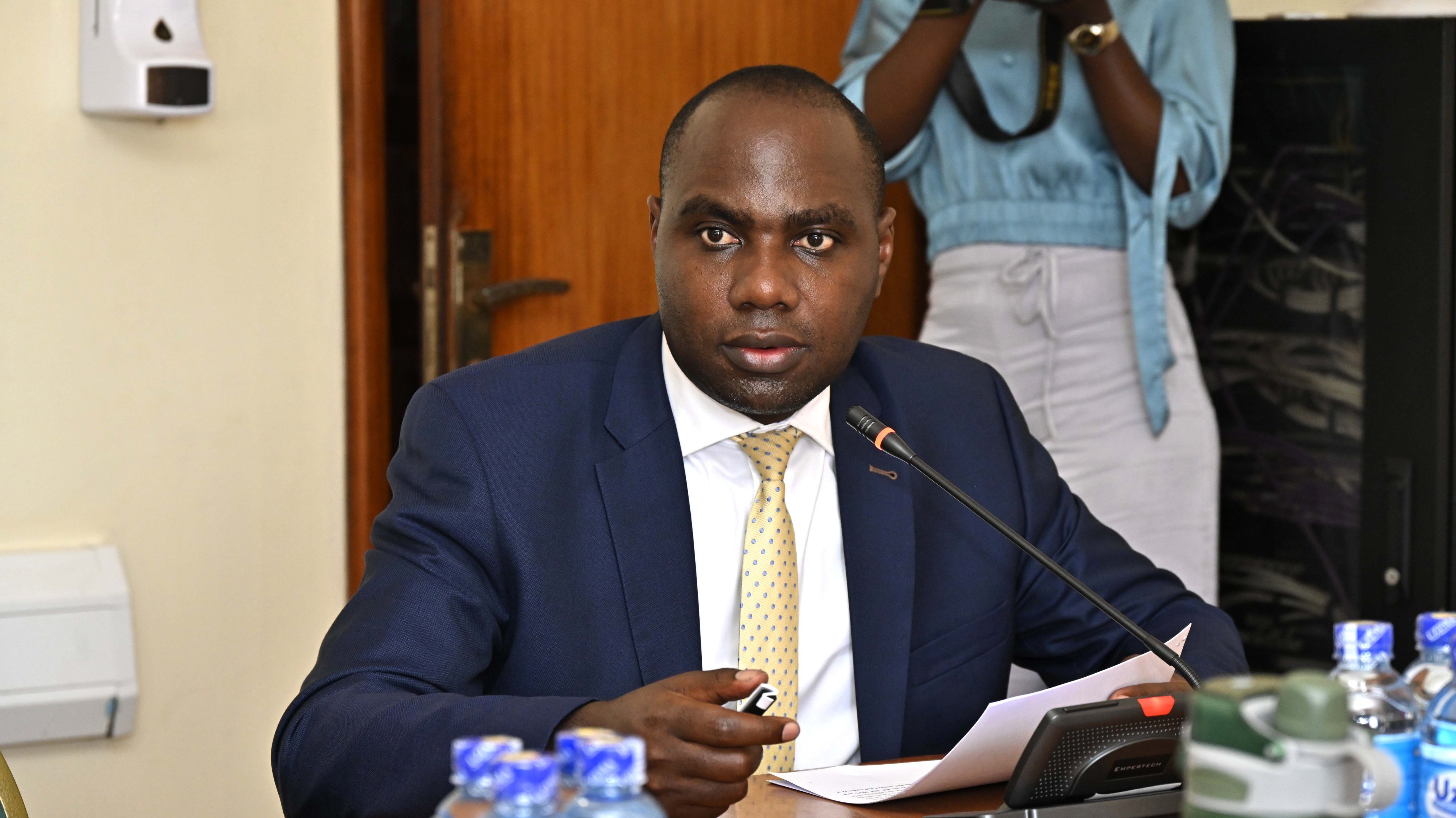
Minister Musasizi
Questions about regional impact
Robert Migadde, Vice Chairperson of the National Economy Committee, sought assurances on the long-term impact of the project.
“Will this expansion mean an end to Ugandans seeking treatment abroad? Can we expect patients from neighboring countries to come here for specialized care?” Migadde asked.
Peggy Wako, the National Female Elderly Representative, echoed this sentiment, emphasizing the importance of local treatment options.
“We have so many cases of cancer, and those who can afford it seek treatment abroad. If this funding helps us handle such cases locally, it will be a great achievement,” Wako remarked.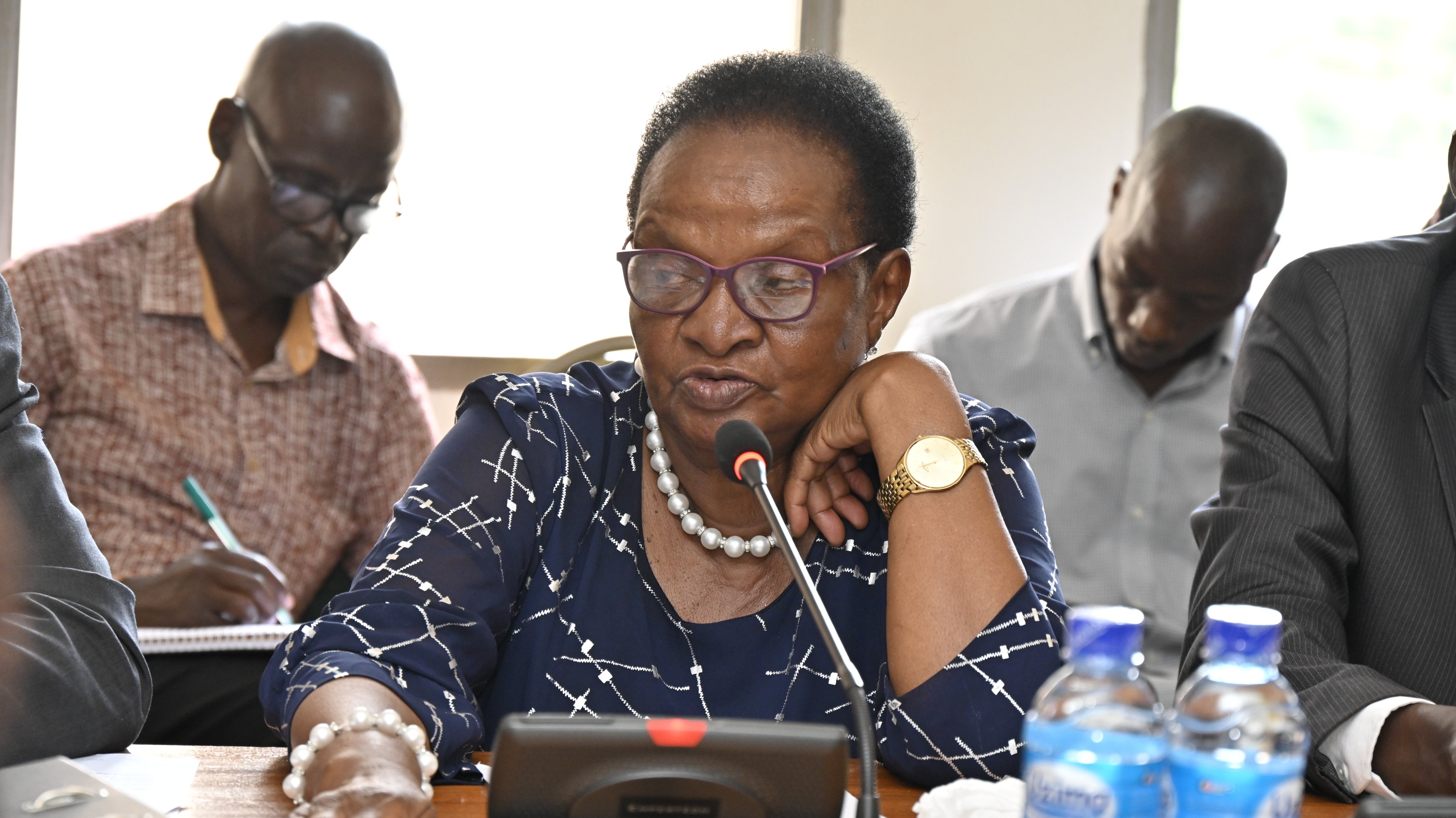
Peggy Wako
Next steps
If approved, the funding will focus on enhancing infrastructure, expanding treatment facilities, and acquiring state-of-the-art equipment. It will also support the recruitment and training of oncologists to meet the increasing demand for cancer care.
The loan proposal now awaits further deliberations and approval by Parliament. If successful, the expansion of the UCI could mark a significant step forward in addressing Uganda’s growing cancer burden and positioning the country as a regional leader in oncology care.
Torch Media Africa



