Written By |
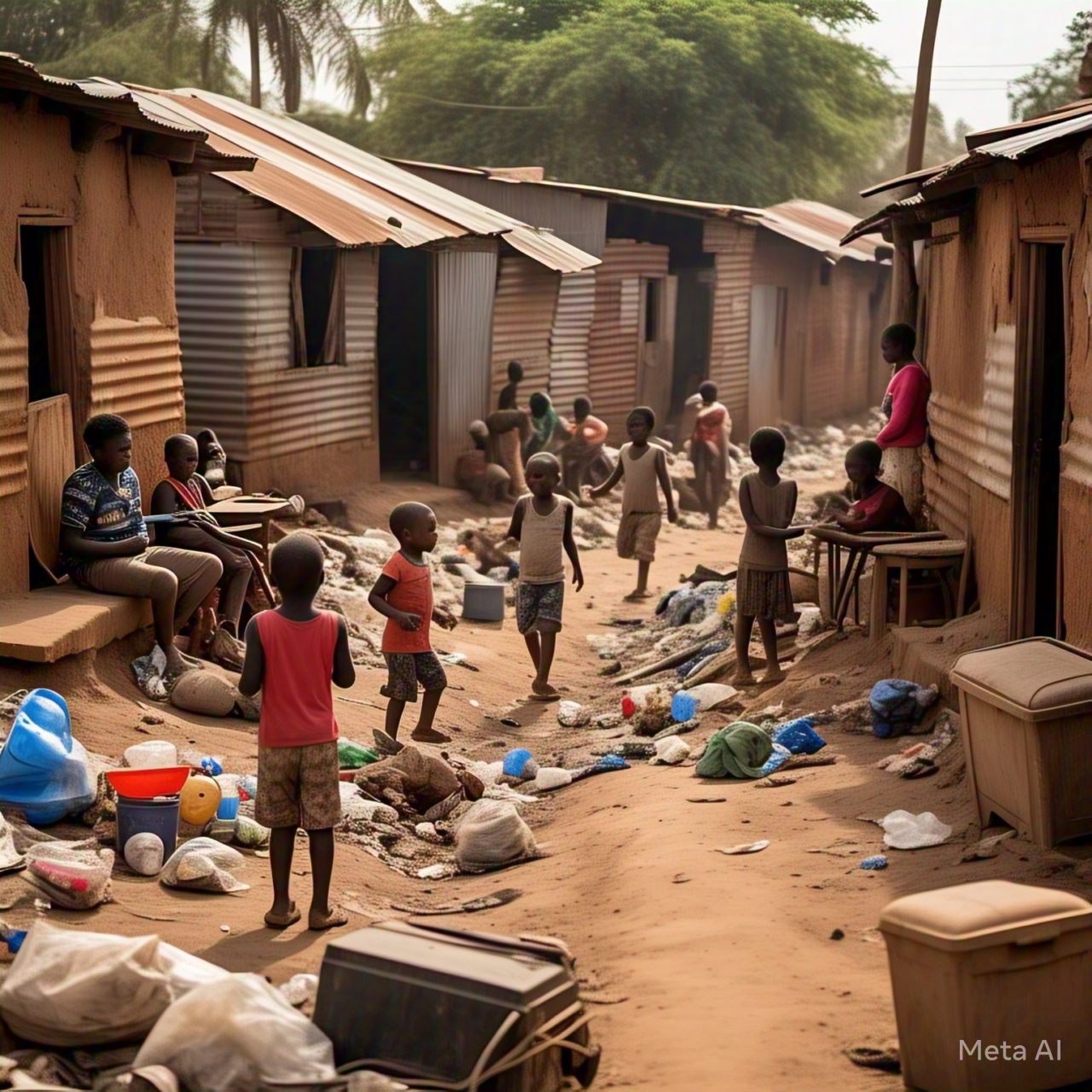
A nation’s level of civilization is directly reflected in how it handles its waste. No one can claim to be a rational thinker while living in filth
By Kany John
Every couple of years, I remind people about my theory on littering and poverty. In this theory, I argue that the more rubbish you see in a place, the poorer its people tend to be. In fact, if nothing else can indicate whether a neighborhood is poor or not, just observe the litter. The more scattered the rubbish, the deeper the poverty.
I have visited over 40 countries, and this observation has never failed me. Whenever you see rubbish everywhere, that’s also the time to be more cautious with your belongings. Wealth and cleanliness go hand in hand—prosperity dislikes dirty environments. In the USA, I often advise my friends: when buying a house, pay attention to the level of litter in the area. A dirty town is usually a sign of a struggling community.
The psychological underpinnings of this theory are even more telling. When someone can walk past a plastic bag (kavera) near their home for an entire week without picking it up, it reveals a complete disregard for their immediate environment. It also suggests an inability to solve simple problems because picking up after oneself is an effortless task—even children do it. No one can truly become successful without mastering this basic discipline.
In Uganda, it is not difficult to find well-maintained compounds in wealthy neighborhoods—no scattered kaveras, no visible rubbish. Walk through Kololo, and you’ll hardly see litter. But as soon as you start seeing rubbish, you’re likely in Kamwokya, where the sense of personal responsibility begins to fade. The situation worsens as you move further into areas like Katanga, Kikoni, Kasubi, and Nakulabye.
A nation’s level of civilization is directly reflected in how it handles its waste. No one can claim to be a rational thinker while living in filth. Countries like Dubai, Tokyo, and some cities in China have even posed challenges to see how far one can walk with white socks before they get dirty—because cleanliness is deeply ingrained in their culture.
A society where even the least educated person properly disposes of rubbish is one where other social indicators are also high. Taking care of one’s immediate environment is the first step toward true civilization. Interestingly, maintaining cleanliness doesn’t require a lot of money—just the right mindset.
That’s why I can confidently bet that no Ugandan from Kampala will win a Nobel Peace Prize in the next 50 years. People who live in such neglected environments, or accept such conditions, struggle to think critically about bigger issues. Cleanliness starts in the mind before it reflects in the surroundings. As the saying goes, Obuyonjo buva mu ndowoza, si mu buggagga—discipline comes from the mind, not from wealth. Those who clean up after themselves are usually easier to teach and more receptive to new ideas because they’ve already mastered the first lesson of civilization: caring for one’s immediate surroundings.
The writer is a Business Advisor



