Written By | Staff Writer
Forecasts for Zambia's 2026 GDP growth vary widely depending on the source and the month they were issued, itself a signal of how quickly the picture has been moving
Zambia has spent the last two years pulling itself out of one of the most severe sovereign debt crises in modern African history while simultaneously weathering a drought that crippled its hydropower-dependent grid. As of mid-2026, both crises are easing at once, and the country's economic story is shifting from crisis management to a harder question: whether a copper boom and a completed debt restructuring can be converted into durable, broad-based growth in a country where extreme poverty still touches roughly half the population.
A Growth Outlook Split Between Optimism and Caution
Forecasts for Zambia's 2026 GDP growth vary widely depending on the source and the month they were issued, itself a signal of how quickly the picture has been moving. The IMF's October 2025 Regional Economic Outlook put 2026 growth at 6.4%, with inflation easing to roughly 9.2%. By May 2026, an updated IMF assessment had trimmed that figure to 4.3%, alongside a projected fiscal surplus falling from 3.1% of GDP in 2025 to 1.1% in 2026 — a sign of fiscal pressures re-emerging even as the debt crisis itself recedes. The African Development Bank's 2026 African Economic Outlook, meanwhile, revised its own 2025 growth estimate down to 3.8% but projected a recovery to 5.0% in 2026 and 6.3% in 2027, with inflation easing to 9.3%. The World Bank's April 2026 country update largely tracks the AfDB numbers, projecting average GDP growth of around 6.5% across 2026-27, driven by mining, agriculture, agrifood processing, energy recovery, and services linked to those sectors.
The spread between the IMF's more cautious 4.3% figure and the AfDB/World Bank's roughly 5-6.5% range reflects genuine uncertainty over how quickly copper output, hydropower generation, and fiscal consolidation will reinforce one another over the remainder of the year. What is not in dispute is the direction: after a mining-led slowdown and an energy-driven contraction in 2024, Zambia is growing again, and copper is doing most of the work.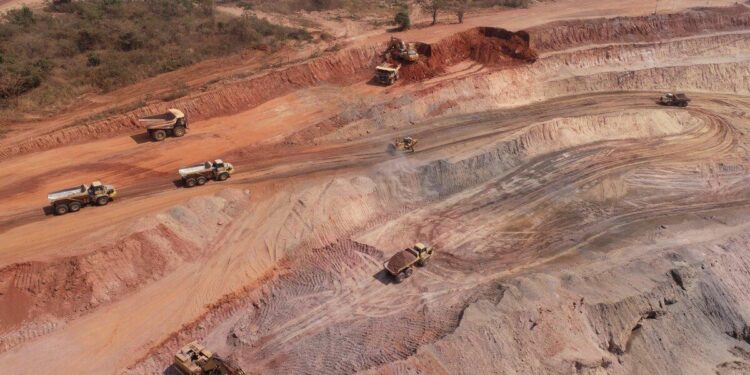
Copper's Record Year and the Road to Three Million Tonnes
Zambia's copper sector delivered a record 890,346 metric tonnes of refined output in 2025, the second consecutive year of growth, though it fell short of the government's own 1-million-tonne target for the year. The recovery has been led by a handful of large operators. Vedanta Resources' Konkola Copper Mines (KCM), reclaimed by the state in 2024 and returned to Vedanta's control after a renegotiated settlement, is pursuing deep-mining redevelopment underpinned by a pledged $1.3 billion investment; Vedanta has also floated the idea of listing its Zambian copper unit to help fund that spending. Mopani Copper Mines, now under the ownership of the UAE's International Resources Holding, posted production growth of more than 40% in 2025 following its own recapitalization.
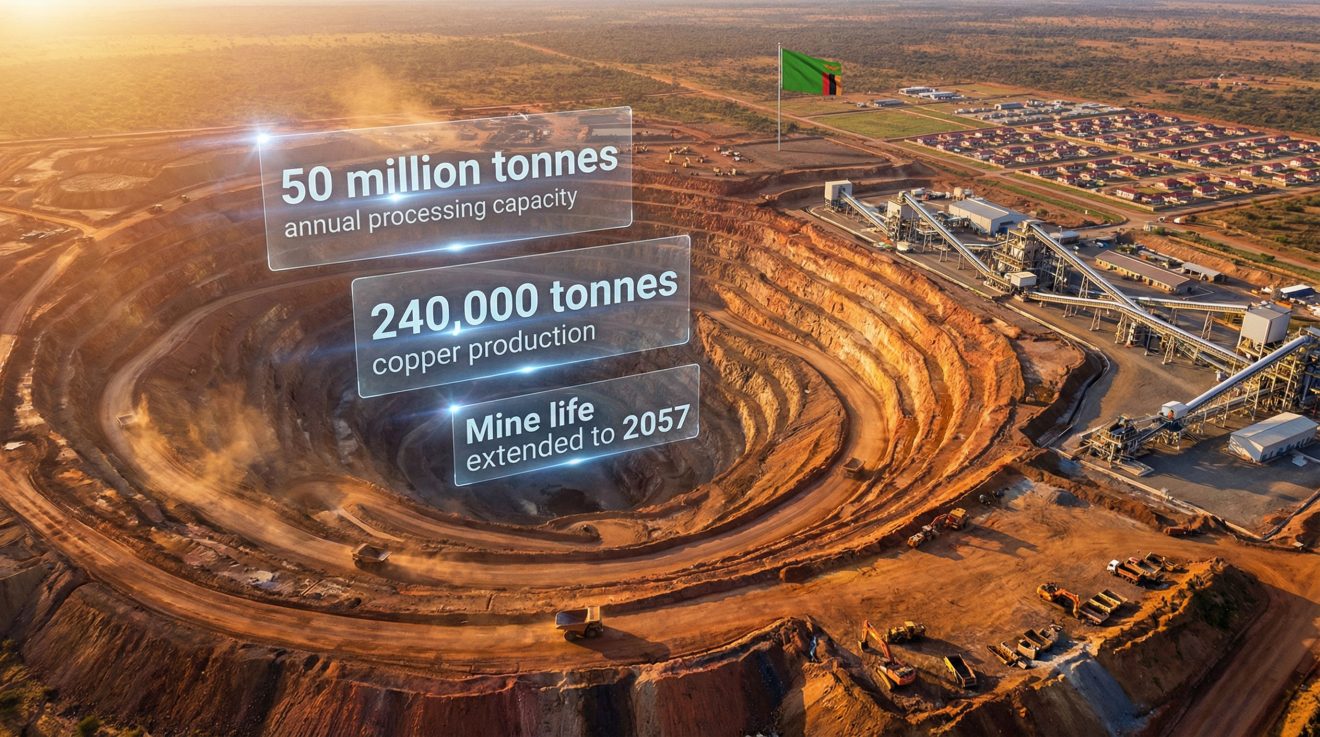
President Hakainde Hichilema used the 2026 Mining Indaba to frame the recapitalization of both KCM and Mopani as the foundation for a much larger ambition: tripling national copper output to 3 million tonnes by 2031. Analysts at Fitch Solutions forecast a further 10% rise in Zambian copper output in 2026, with global copper prices averaging around $11,900 per tonne — a 19.6% increase over 2025 — pushing the current account surplus to a projected 0.8% of GDP in 2026 and 3.1% in 2027 on the back of stronger export earnings. Zambia has also climbed five places in continental investment-attractiveness rankings, now sitting 15th in Africa for 2026, a shift driven substantially by renewed confidence in the mining sector's governance and financing.
From Debt Crisis to a New IMF Conversation
The fiscal side of Zambia's turnaround has arguably been the more consequential story of the past 24 months. In January 2026, the IMF's Executive Board completed the sixth and final review of Zambia's 38-month Extended Credit Facility arrangement, releasing a further $190 million tranche and formally closing out a program that had underpinned the country's return to macroeconomic stability after its 2020 default. That program built on the March 2024 restructuring agreement Zambia reached with its Eurobond holders — a deal the Official Creditor Committee confirmed met comparability-of-treatment standards alongside Zambia's earlier bilateral restructuring with China and other official creditors under the G20 Common Framework.
With the ECF now complete, Zambia's government has signaled it is seeking a new, forward-looking arrangement with the IMF by the end of 2026 — one explicitly framed around attracting investment, creating jobs, and rebuilding long-term growth rather than crisis resolution. An IMF mission visited Lusaka between April and May 2026 to begin those discussions, with both sides reporting progress. The shift in tone, from debt-sustainability triage to growth-and-jobs negotiation, is itself a marker of how far the country has moved since the depths of its default.
Kariba's Recovery and the Limits of Hydropower Dependence
Zambia's energy sector illustrates just how tightly the country's fortunes are tied to climate variability. More than 80% of Zambia's electricity came from hydropower in 2024, the vast majority of it from the Kariba Dam, shared with Zimbabwe on the Zambezi River. The 2023-24 El Niño-linked drought drove Lake Kariba's water levels down so far that Zambia was forced into extended load-shedding, one of the region's worst power crises in decades, forcing households and industry alike — including copper smelters — to scale back operations.
The 2026 picture looks markedly better. Since March 2026, sustained inflows from the upper Zambezi catchment have driven a steady rise in Lake Kariba's water levels, sufficient to sustain a combined 2026 water allocation for power generation of 36 billion cubic metres, split evenly between Zambia and Zimbabwe at 18 billion cubic metres each. That recovery has taken real pressure off the grid just as mining output is ramping up and electricity demand is rising with it. But policymakers are not treating the rebound as license to relax: China Datang Corporation has signed an agreement with Zambia's national power utility to develop three solar projects by 2026 adding roughly 220 megawatts of generation capacity, part of a broader diversification push away from near-total dependence on a single, increasingly climate-exposed reservoir.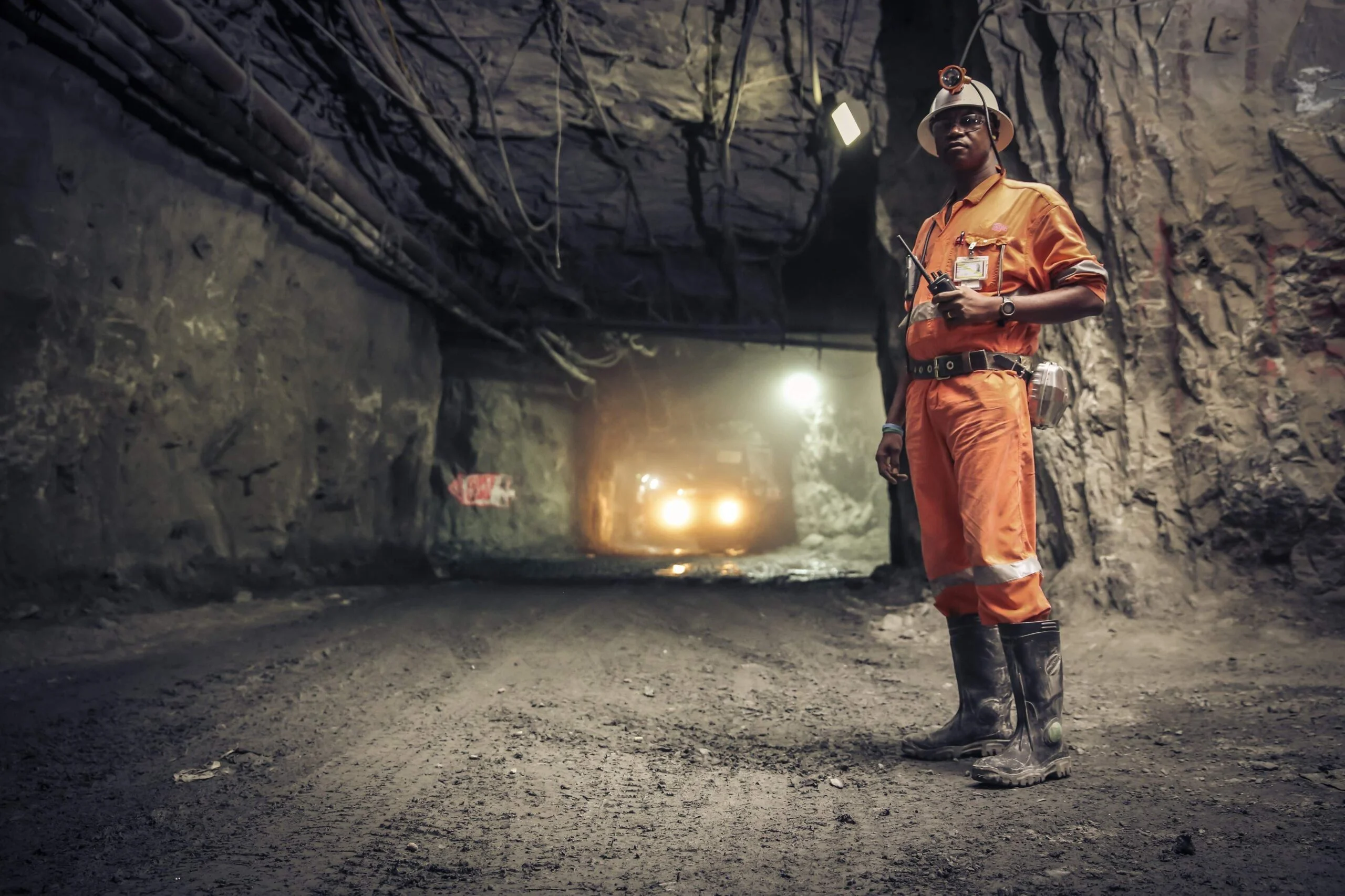
Agriculture, Diversification, and a Stubborn Poverty Rate
Zambia's poverty numbers remain the sharpest reminder that a copper and hydropower recovery does not automatically translate into broad-based welfare gains. World Bank data show extreme poverty at 48% in 2025, only marginally down from 49% in 2024, with the institution projecting further declines of roughly one percentage point per year through 2027 — a pace that leaves Zambia far from meeting any near-term poverty-eradication goal. The Bank has repeatedly flagged low levels of agricultural diversification, limited agro-processing capacity, and weak commercialization as structural constraints that keep rural poverty entrenched even during periods of strong aggregate growth.
Some reforms are underway. The Zambia Growth Opportunities Program for Results (ZAMGRO), supported by the World Bank, has helped shift the government's Farmer Input Support Programme (FISP) toward an e-voucher system intended to improve transparency, targeting accuracy, and private-sector participation in input distribution — changes the Bank credits with beginning to create jobs in rural supply chains. Even so, the World Bank's own April 2026 assessments acknowledge persistent gaps in farmer education and production diversification, meaning the transition from a mining-and-hydropower economy to one with a genuinely diversified rural base remains a multi-year project rather than a near-term achievement.
What to Watch Through the Rest of 2026
Three threads will determine whether Zambia's 2026 turns out closer to the IMF's more cautious 4.3% growth scenario or the AfDB/World Bank's more optimistic 5-6.5% range: whether copper output continues climbing toward the 1-million-tonne mark without new operational setbacks at KCM or Mopani; whether Kariba's water levels hold through the dry season without another El Niño-style reversal; and whether a new IMF arrangement, if concluded by year-end, is structured around investment and jobs in a way that finally bends the poverty curve faster than one point a year. For now, Zambia offers a rare case of a recent serial-defaulter turning the corner on both its balance sheet and its power grid at the same time — even as the deeper work of translating a commodity and energy recovery into shared prosperity is still just beginning.



