Written By | Business Experts
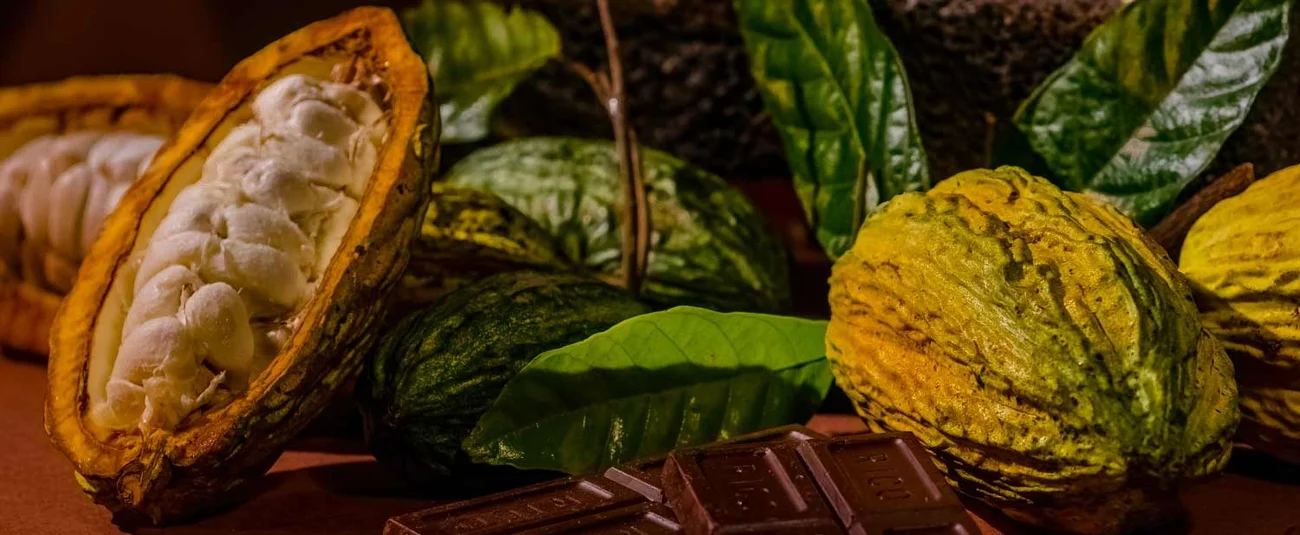
As the world's largest producer and exporter of cocoa beans, the crop contributes an estimated 14-20% of GDP and roughly 45% of total export earnings
Côte d'Ivoire has quietly become one of West Africa's most consistent growth stories, and 2026 is shaping up as a pivotal year in that arc. The economy is expanding at a pace few peers can match, the government has just adopted an ambitious five-year investment blueprint, and a decade-long push to keep more cocoa processing revenue at home is finally showing measurable results. Yet the country's social indicators — poverty, education outcomes, and regional inequality between the prosperous south and the poorer north — tell a more complicated story about how evenly that growth is being shared.
A Growth Rate Few African Economies Can Match
The International Monetary Fund projects Côte d'Ivoire's economy will expand by roughly 6% in 2026, while the African Development Bank's Côte d'Ivoire Economic Outlook puts real GDP growth at 6.5% for the year, with the medium-term trajectory averaging 6.4% over 2026-27. The World Bank's own projections are closely aligned, forecasting growth of 6.2% in 2025 and an average of 6.4% through 2027, led by hydrocarbons, services, and private investment. That would place Côte d'Ivoire among the fastest-growing large economies on the continent, well above the sub-Saharan African average.
Two sectoral developments are doing much of the work. First, the hydrocarbons sector is entering a new phase with the full exploitation of the offshore Baleine oil and gas field, one of the largest recent discoveries in the region, alongside the start of production at the Koné gold project. Second, services and private investment continue to broaden the country's economic base beyond its traditional dependence on agricultural commodities. Analysts caution, however, that this favorable outlook carries real risks: climate shocks affecting rainfed agriculture, spillover from deteriorating security conditions in the Sahel, and geopolitical tensions in the Middle East that could disrupt energy markets and shipping routes relevant to Ivorian trade.
A $206 Billion Bet on the 2026-2030 Decade
In mid-2026 the Council of Ministers formally adopted Côte d'Ivoire's National Development Plan (Plan National de Développement, or PND) for 2026-2030, a strategic program built around more than $206 billion (114,838.5 billion CFA francs) in planned investment across the five-year period, with an average growth target of 7.2% — a full percentage point above current performance. The financing structure is notable for how much it leans on the private sector: 70.2% of the total is expected to come from private investment, with the remaining 29.8%, or roughly 38,000 billion CFA francs, mobilized through public channels including the financial market and a future donor consultative group.
The plan is organized around 22 strategic priority areas spanning infrastructure, industrialization, and human capital development. For 2026 alone, the national budget earmarks FCFA 4.2 trillion (about $7.6 billion) in public investment, concentrated in agriculture, transport — roads, rail, and airports — energy, including grid expansion, hydroelectricity, and solar capacity, and water infrastructure. Importantly, the PND's fiscal trajectory targets a steady decline in the public debt-to-GDP ratio, from 57% in 2025 to 54.8% by 2030, keeping Côte d'Ivoire comfortably under the 70% ceiling set by the West African Economic and Monetary Union (UEMOA) — a signal to investors that the government intends to expand spending without sacrificing debt sustainability.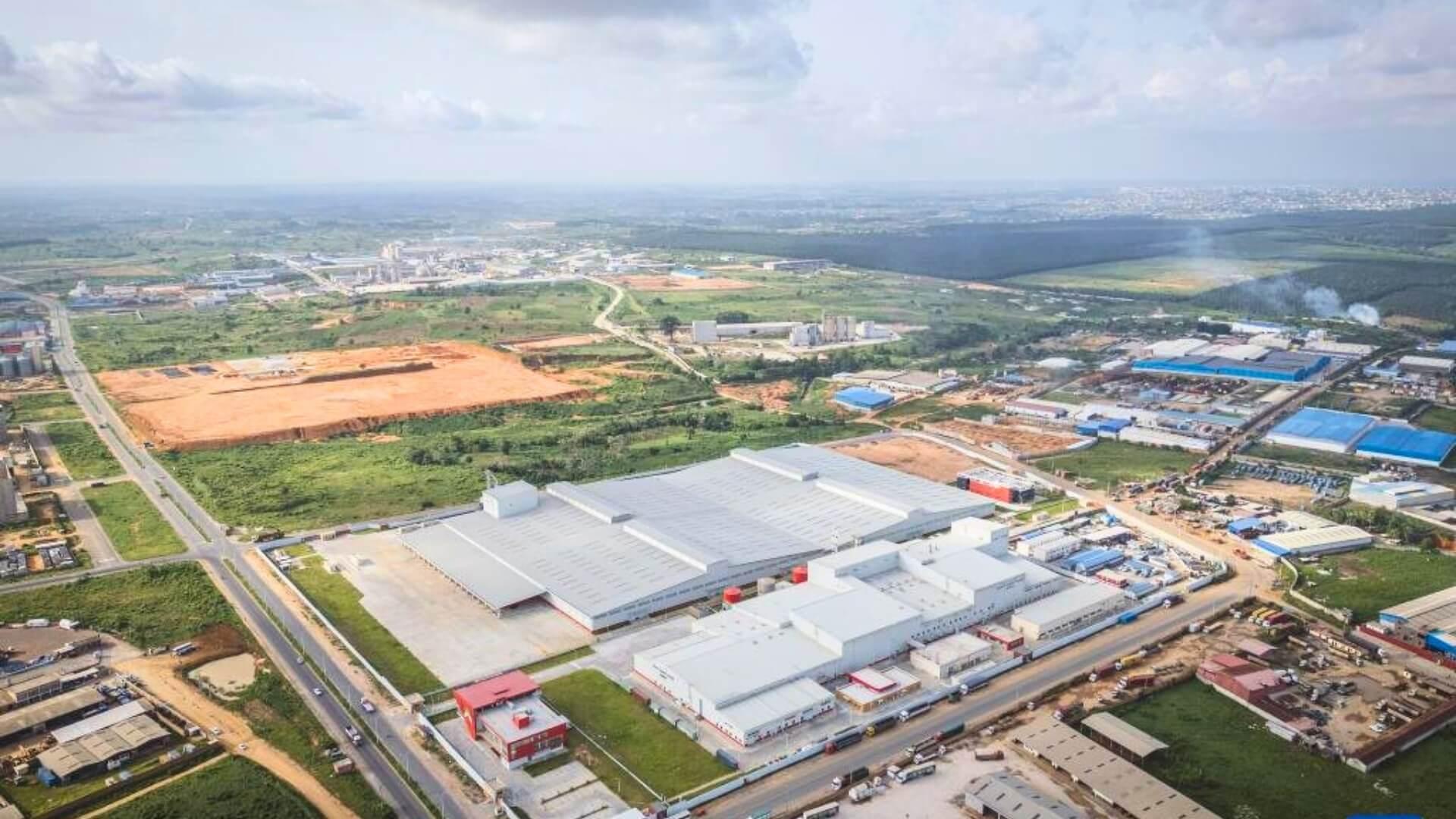
Cocoa: From Bean Exporter to Industrial Processor
No commodity defines Côte d'Ivoire's economy like cocoa. As the world's largest producer and exporter of cocoa beans, the crop contributes an estimated 14-20% of GDP and roughly 45% of total export earnings. For decades, the bulk of that value was captured downstream — in the chocolate factories of Europe and North America — while Ivorian farmers and the domestic economy retained only a fraction of the final product's worth. That is now changing, deliberately and measurably.
The government has set a target of processing at least 50% of national cocoa production domestically by the end of 2026. As of late 2024, roughly 777,000 tonnes of cocoa — about 44% of the harvest — was already being processed inside the country, up sharply from historical norms. New industrial capacity is coming online to close the remaining gap: a €200 million Transcao processing plant launched in 2025 is emblematic of the scaling underway in the country's grinding and semi-finished cocoa products industry (cocoa liquor, butter, and powder). The strategic logic is straightforward — each additional stage of processing performed inside Côte d'Ivoire captures more value, generates more formal-sector jobs, and reduces the country's exposure to volatile global bean prices. It also positions Abidjan to compete for a larger share of Africa's cocoa-and-chocolate value chain as global buyers increasingly seek diversified, traceable supply relative to a single region.
Poverty Reduction Is Real but Slowing
Household welfare has improved alongside macroeconomic growth, though the pace is decelerating. The national poverty rate is projected to ease to around 36.2% in 2025, helped by higher export commodity prices flowing through to agricultural household incomes — cocoa farmers in particular have benefited from elevated global bean prices over the past two years. Looking ahead, the World Bank expects the pace of poverty reduction to slow in 2026 and 2027, averaging roughly 3.2 percentage points per year, as the boost from high agricultural export prices moderates and nominal agricultural income growth cools.
That slower trajectory underscores a structural challenge facing Côte d'Ivoire and much of West Africa: commodity-price windfalls can compress poverty rates quickly, but sustained, broad-based reduction requires productivity gains, formal job creation outside agriculture, and better public services — areas where the PND 2026-2030's human capital pillar is meant to make a difference.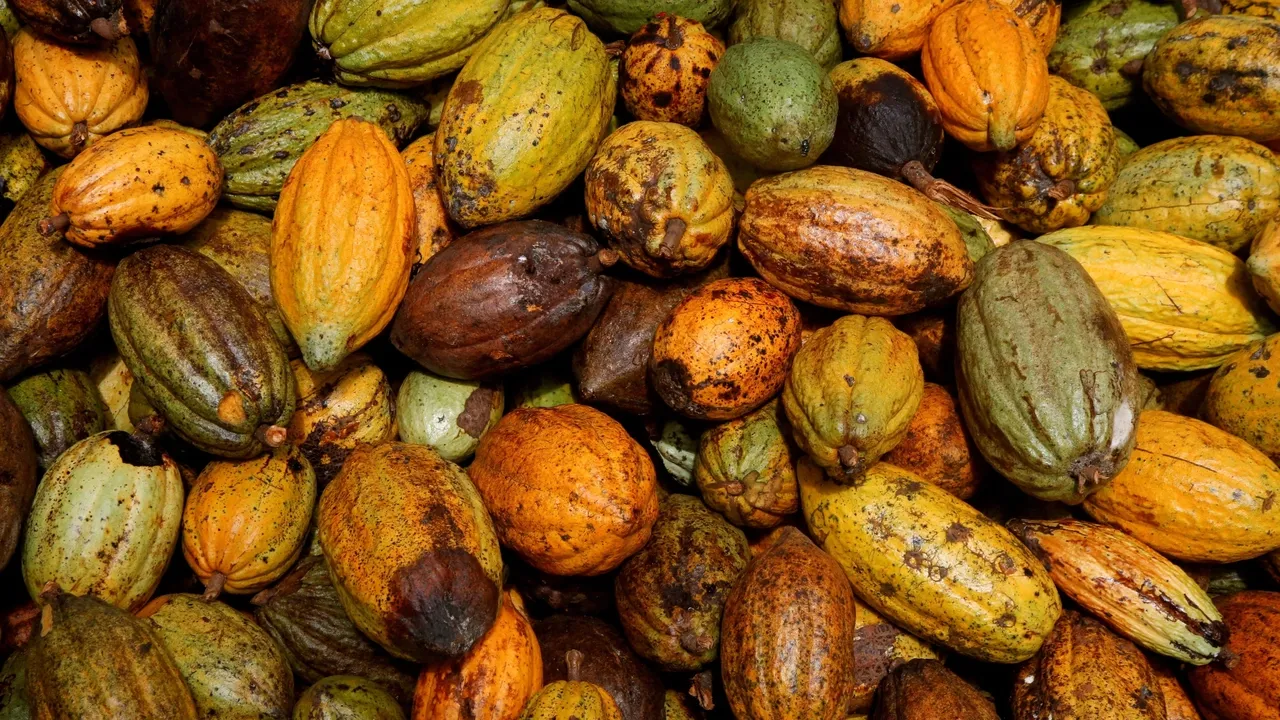
Human Capital: The Education Gap Being Targeted
Education outcomes remain one of the clearest constraints on Côte d'Ivoire's long-term growth potential, and the government's development partners have made them an explicit target. Under its Country Partnership Framework with Côte d'Ivoire, the World Bank has backed an effort to raise third-grade reading proficiency from just 18.9% in 2020 to a target of 43% — more than double — reflecting how far foundational learning outcomes had fallen behind the country's economic ambitions. The PND's human capital strategic area builds on this, aiming to improve both the quality of education and youth employability as the economy diversifies into higher-value manufacturing and services that demand a more skilled workforce.
Regional Trade and AfCFTA Positioning
As one of West Africa's largest and most diversified economies, Côte d'Ivoire stands to be a significant beneficiary of the African Continental Free Trade Area (AfCFTA) as implementation deepens. Regional modeling suggests that full AfCFTA implementation could help push Côte d'Ivoire's trade balance toward a surplus of roughly 3.1% of GDP by 2043, as tariff reductions and harmonized rules of origin allow Ivorian manufactured goods — including processed cocoa products — to move more freely into neighboring West African and wider continental markets. That regional trade integration dovetails directly with the government's cocoa-processing push: value-added cocoa products are far more exportable within Africa's growing consumer markets than raw beans destined almost exclusively for extra-continental grinders.
Risks on the Horizon
The favorable growth outlook is not without vulnerabilities. Both the IMF and AfDB flag climate shocks — increasingly erratic rainfall patterns that affect cocoa, cashew, and rubber yields — as a persistent downside risk to agricultural output and rural incomes. Security spillover from the Sahel, where jihadist insurgencies have expanded southward toward the borders of coastal West African states, is a second concern for a country whose northern regions remain economically less developed than the Abidjan-centered south. Finally, geopolitical tensions in the Middle East carry the potential to disrupt global energy prices and shipping routes in ways that could complicate Côte d'Ivoire's own emerging hydrocarbons sector and broader import costs.
Outlook
Taken together, the picture for Côte d'Ivoire in 2026 is one of genuine economic momentum paired with a deliberate, well-financed strategy to convert that growth into industrial depth and improved living standards. The $206 billion PND 2026-2030, the cocoa value-addition push toward 50% local processing, and continued debt discipline collectively represent a coherent bet that Côte d'Ivoire can move from being West Africa's largest cocoa exporter to one of its more diversified, higher-value economies over the coming decade. Whether poverty reduction and education outcomes keep pace with that macroeconomic ambition will be the metric worth watching most closely in the years ahead.