Written By | Agencies
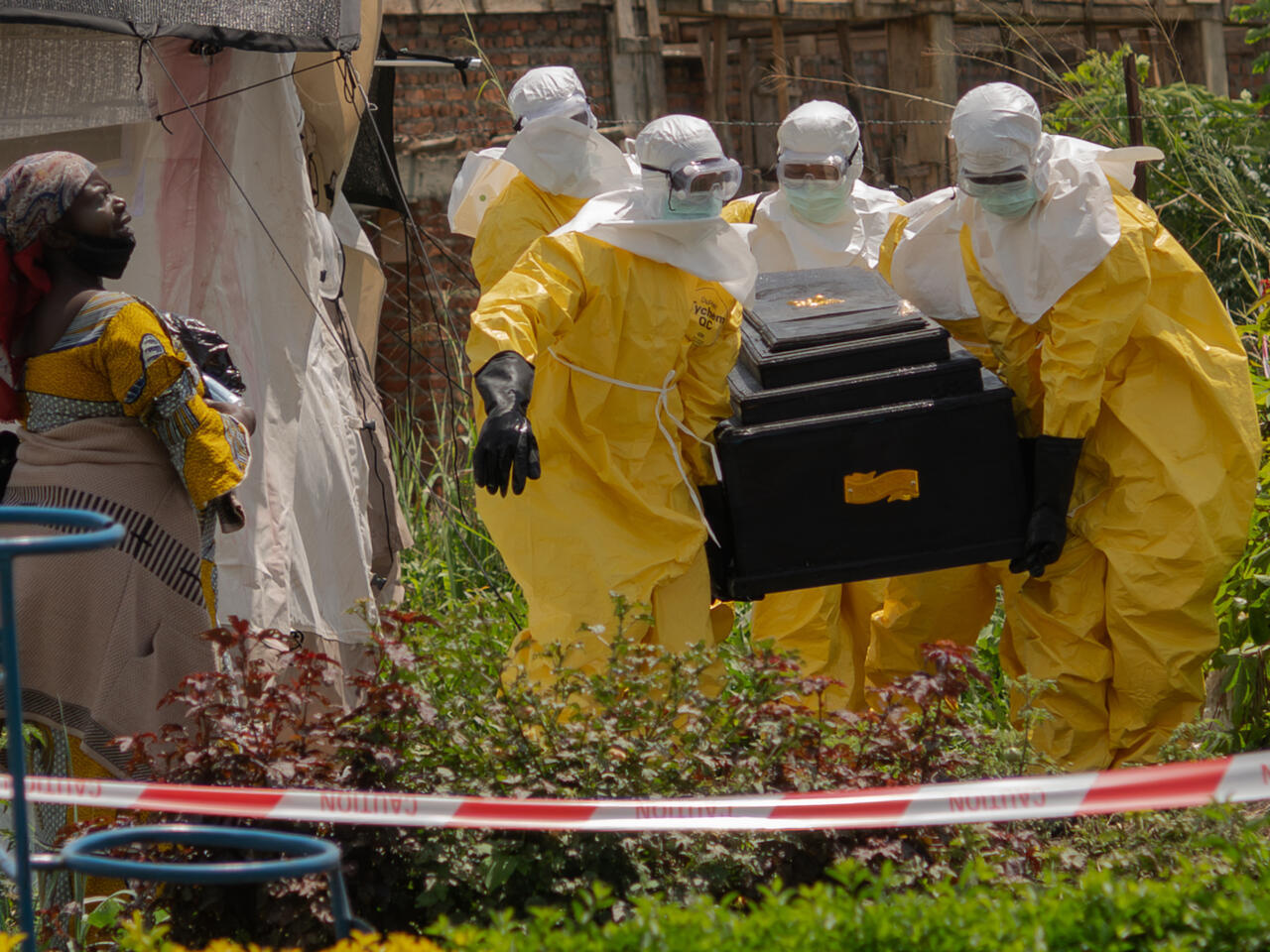
As of June 1, the DRC Ministry of Health confirmed 344 cases and 60 deaths
KINSHASA / KAMPALA
In the dense rainforests of northeastern Democratic Republic of Congo, a killer has re-emerged. Health workers fell ill first — a grim pattern epidemiologists dread, signaling a pathogen already spreading inside the very facilities meant to stop it. The disease: Ebola, caused by the Bundibugyo virus — a rare, deadly strain with no approved vaccine and no specific treatment.
What has unfolded since May 2026 is the most alarming Ebola outbreak in years. As of June 1, the DRC Ministry of Health confirmed 344 cases and 60 deaths. But those numbers only scratch the surface: there are 1,077 suspected cases under investigation across three provinces, with 246 deaths among that pool. Uganda has reported 15 confirmed cases, including healthcare worker deaths.
The WHO declared a Public Health Emergency of International Concern on May 17 — its highest alarm. Then came the news that sent chills through global health agencies: an American aid worker tested positive and was evacuated to Germany. The outbreak had crossed continents.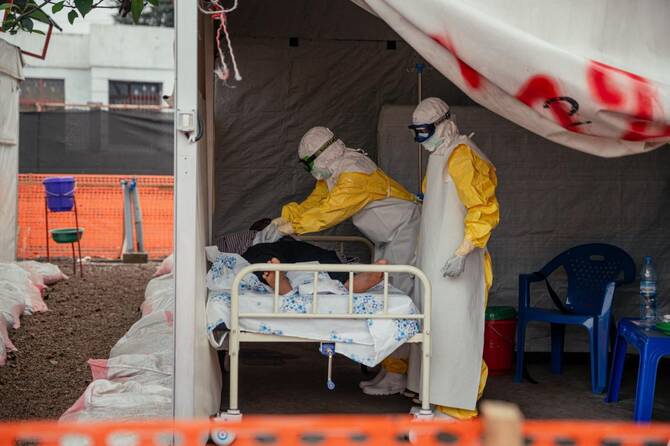
The Outbreak Begins
The first warnings came on May 5, when the WHO was alerted to a cluster of high-mortality illness in Ituri Province, a conflict-torn region bordering Uganda. Health workers were among the early victims.
Lab analysis confirmed the culprit on May 15: Orthoebolavirus bundibugyoense (Bundibugyo virus), first identified in Uganda in 2007. That outbreak killed 37 of 116 confirmed cases. This one is far larger.
Ituri Province is the epicenter, with 322 confirmed cases across 16 health zones. The virus has reached Goma — a major transport hub of over a million people near the Rwandan border — raising fears of international spread.
"The rapid spread into major transport hubs like Goma is deeply concerning," warned Dr. Matshidiso Moeti, WHO Regional Director for Africa. "This virus does not respect borders."
Why This Strain Is Especially Dangerous
The Bundibugyo strain presents a unique challenge: no approved vaccine exists specifically for it.
The main Ebola vaccine — Merck's Ervebo — was designed against the Zaire strain. Cross-protection against Bundibugyo is uncertain. On May 28, the WHO acknowledged that "evidence on cross-protection is very limited."
In a race against time, CEPI announced on June 1 it would fast-track three Bundibugyo-specific vaccine candidates from IAVI, Moderna, and Oxford. But developing and deploying a new vaccine takes months — time the people of Ituri do not have.
There are also no FDA-approved treatments specifically for this strain. Doctors are working largely with supportive care: fluids, fever management, and preventing secondary infections.
Healthcare Workers in The Crossfire
At least eight confirmed cases in the DRC involved healthcare workers. Uganda has reported two more. When healthcare workers fall ill, clinics close. Communities lose trust. And each infected worker represents a potential new chain of transmission.
Contact tracing is running at crisis levels. Authorities are managing to trace only about 20% of contacts, according to Johns Hopkins Bloomberg School of Public Health. The remaining 80% are unaccounted for — potentially spreading the virus unknowingly.
"Contact tracing at 20% is not containment — it's damage control," said one researcher. "You need to be above 80% to break transmission chains."
The challenge is partly geographic. Ituri is remote, with poor roads, dense jungle, and active armed conflict. Community distrust of health organizations remains high.
Crossing Borders
Uganda reported its first confirmed cases within days of the DRC announcement. As of June 1, Uganda has 15 confirmed cases and one death. Uganda has experience managing Ebola, giving its health system a degree of preparedness the DRC lacks.
The case that alarmed Western governments most was the American aid worker who tested positive on May 17 and was evacuated to Germany. The CDC issued a Health Alert Network notice to U.S. clinicians, urging vigilance for returning travelers with fever or hemorrhagic symptoms.
The Global Response
The WHO's PHEIC declaration should unlock massive international support. WHO teams, Médecins Sans Frontières, the International Rescue Committee, and UNICEF are deploying personnel and supplies. UNICEF is running radio campaigns to counter misinformation. WHO is strengthening surveillance and laboratory capacity.
But critics argue the global response has been slow. Funding pledges are lagging. The DRC government, managing armed conflicts and a humanitarian crisis, is stretched beyond capacity.
"We are at a critical juncture," said WHO Director-General Dr. Tedros Adhanom Ghebreyesus. "Every day of delay allows the virus to spread further."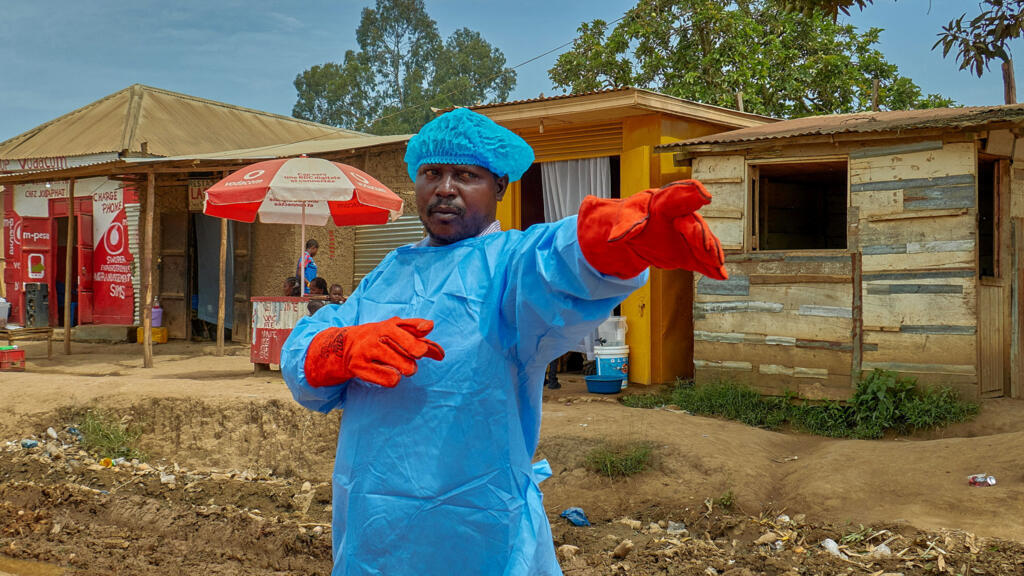
What This Means For You
For most people outside Central Africa, the immediate risk remains extremely low. Ebola requires direct contact with bodily fluids of a symptomatic person. It is not airborne.
However, healthcare workers, aid workers, and journalists traveling to the DRC or Uganda should consult CDC travel advisories. Travelers returning from affected regions who develop fever or muscle aches within 21 days should seek immediate medical attention. The broader lesson: Bundibugyo virus has been known for nearly two decades, yet enters 2026 with no approved vaccine or treatment. That is a failure of preparedness the global health community will be forced to reckon with.
A Race Against Time
The people of Ituri Province live in fear. Villages mourn their dead. Health workers in hazmat suits work in sweltering heat because someone must.
CEPI's fast-tracking of vaccine candidates is hopeful. But even optimistic timelines suggest months — not weeks — before any vaccine reaches trial stage. For now, the world watches as responders fight to contain a virus that knows no borders and kills with terrifying efficiency. The 2026 Central Africa Ebola outbreak is a test of the global health system. The outcome will reveal just how ready — or how dangerously unprepared — the world truly is.



