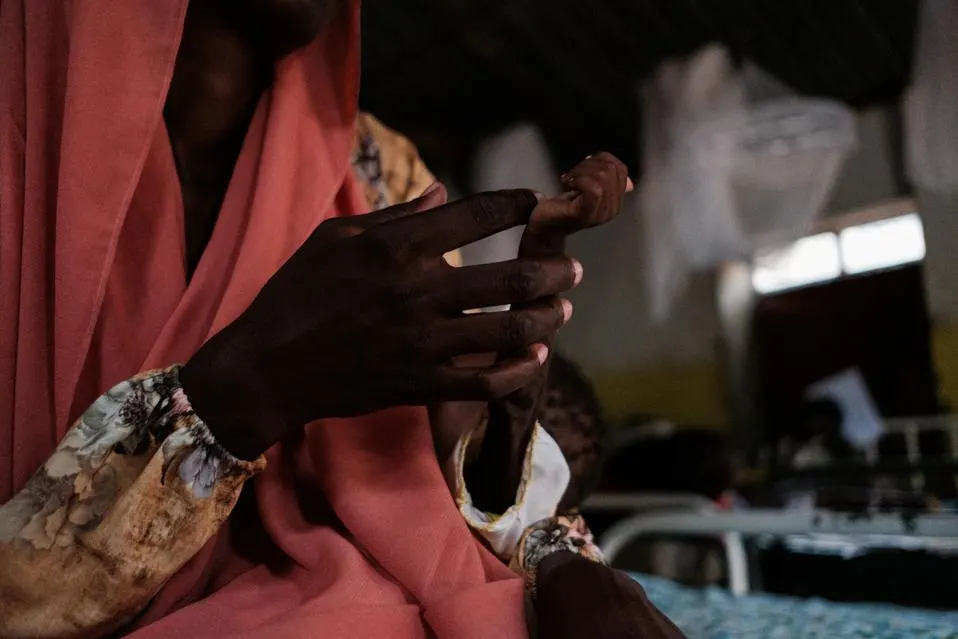
Khartoum - Sudan has become the world’s largest and most devastating humanitarian crisis, with over 30 million people—more than half of them children—trapped in a relentless cycle of war, famine, and disease, according to Catherine Russell, Executive Director of UNICEF. Addressing the UN Security Council, Russell warned that the situation in Sudan is beyond a crisis, calling it a poly-crisis affecting every sector, from health and nutrition to education and security.
A nation in ruins
The war between the Sudanese Armed Forces (SAF) and the Rapid Support Forces (RSF) erupted in April 2023, sparking mass atrocities that have left tens of thousands dead and displaced over 12 million people, including 3.5 million refugees in neighboring countries. The conflict has led to the destruction of critical infrastructure, including hospitals, schools, and water systems, while famine has ravaged multiple regions. Reports have surfaced documenting war crimes, crimes against humanity, and even genocide, with sexual violence being used as a weapon of war, including against children.
Children caught in the crossfire
UNICEF has recorded over 900 cases of gross child rights violations between June and December 2024, with 80% involving killings or maiming, particularly in Darfur, Khartoum, and Al Jazirah States.
- In February 2025, 21 children were killed and 29 maimed by shelling in Kadugli, South Kordofan State.
- 11 children were killed when a livestock market was shelled in El Fasher, North Darfur State.
- 8 children were killed and 6 maimed in an attack on a market in Khartoum.
Beyond direct violence, 12.1 million women and girls—and an increasing number of men and boys—are at risk of sexual violence, marking an 80% increase from the previous year.
Data collected in 2024 shows:
- 221 cases of rape against children were reported in nine states.
- 67% of the victims were girls, 33% were boys.
- 16 of the victims were under five years old, including four babies under one.
Russell shared the chilling testimony of a young girl in Khartoum who, after losing her parents, was raped by four armed men. “Even after enduring so much other horror, she described this as ‘the greatest hardship’ she had faced,” Russell said.
Famine, disease, and a generation without education
Sudan is now experiencing one of the worst hunger crises in modern history.
- 1.3 million children under five live in areas where famine has been declared.
- Over 3 million children face imminent deadly disease outbreaks, including cholera, malaria, and dengue, as the health system collapses.
- 16 million school-aged children are out of school, a generation at risk of lifelong illiteracy and economic despair.
UNICEF has warned that these atrocities will leave life-long scars on the children of Sudan—if they even survive.
Ignored and Forgotten: The shadow of sexual slavery and trafficking
As global attention fades, some of the worst crimes remain in the shadows. In early 2024, the UN warned of reports that girls were being trafficked and sold in slave markets controlled by RSF forces and other armed groups, particularly in North Darfur.
The risk of child and forced marriages is increasing, with families separated by war and gender-based violence forcing some girls into early and unwanted pregnancies.
A call for urgent action
With famine, war, disease, and human rights abuses escalating daily, Sudan has become a hell on earth for children. Yet, humanitarian aid is failing to keep up with the growing catastrophe. As the world looks away, the suffering deepens by the minute. UNICEF and other humanitarian agencies are calling for urgent international intervention—before millions more are lost to starvation, violence, and neglect.
Source: Forbes
Published By | Dickens Tiharihondijo