Written By |
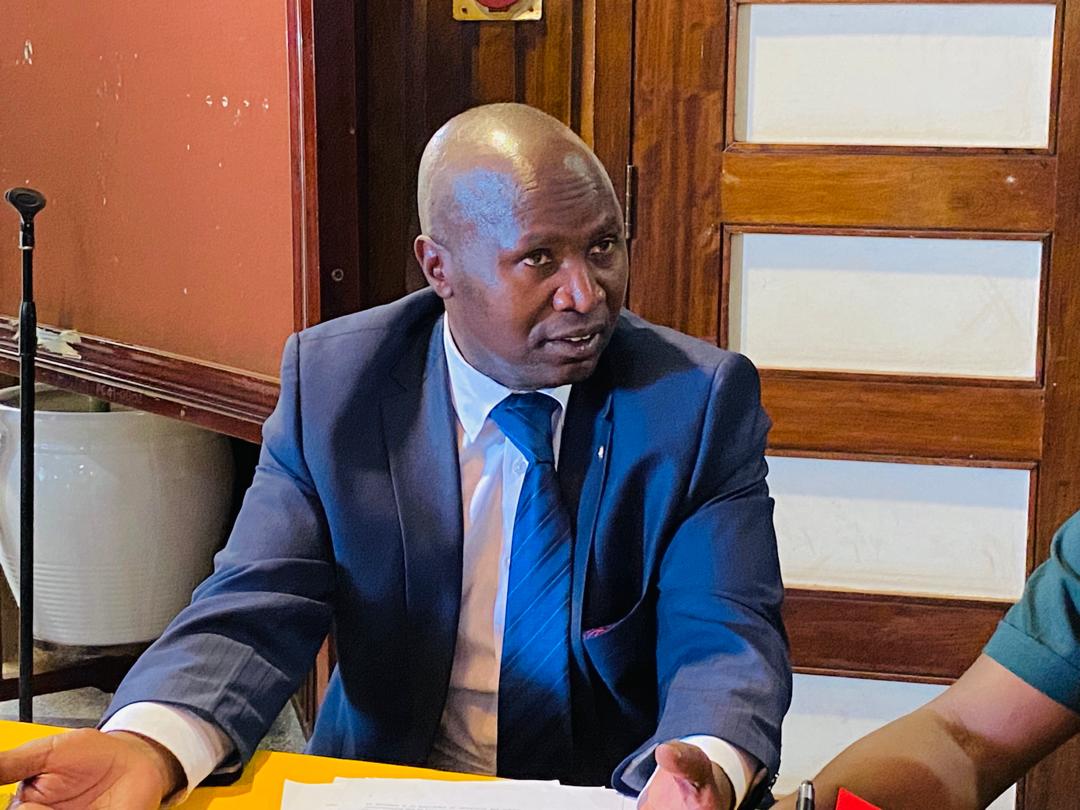
Theodore Ssekikubo
As the motion to censure Parliamentary Commissioners reached the Clerk to Parliament, Adolf Mwesige, on August 5, MPs convened a parallel meeting where Theodore Ssekikubo's motion took center stage. The key question remains: will the motion survive?
Intense meetings are ongoing within Parliament. Two critical questions were debated: whether the budgeting processes under Ugandan law were followed, and if the sh1.7 billion service award complied with these processes. MPs from 37 districts that didn’t sign the censure petition requested a special National Resistance Movement (NRM) caucus meeting, scheduled for August 16, to establish an official position on the motion.
President Yoweri Museveni, who had deferred debate on the censure motion during a June meeting, is expected to address MPs during the caucus. Museveni had indicated that the Central Executive Committee (CEC) could not discuss the issue without Speaker Anita Among, who was absent from the previous meeting.
As internal maneuvers continue, some MPs have moved to block Ssekikubo's motion, arguing that it violates the sub judice rule since the legality of the service award is under investigation by the High Court. These MPs assert that Parliament should not interfere with matters before the judiciary, and they have submitted a detailed report to Speaker Among, urging her to recognize the sub judice status.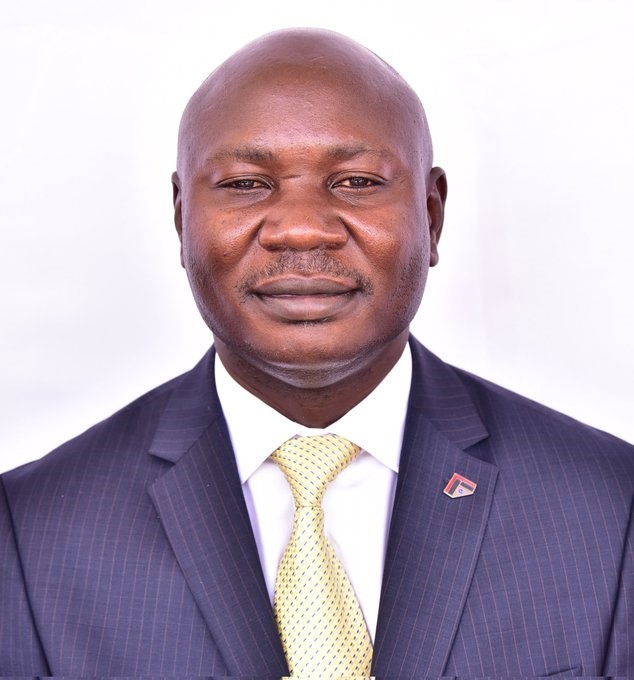
Stephen Mugabi Baka
Legal committee chairperson Stephen Mugabi Baka denied knowledge of the report, stating that the matter is now in the Speaker's hands. Clerk to Parliament Adolf Mwesige defended the service award, stating it was legal, proper, and budgeted for, as approved by Parliament and the Executive. He emphasized that the Parliamentary Commission has the authority to determine benefits and allowances for MPs.
As the debate unfolds, Ssekikubo’s motion faces significant challenges within the political landscape of Parliament.



