Written By | Sports Desk
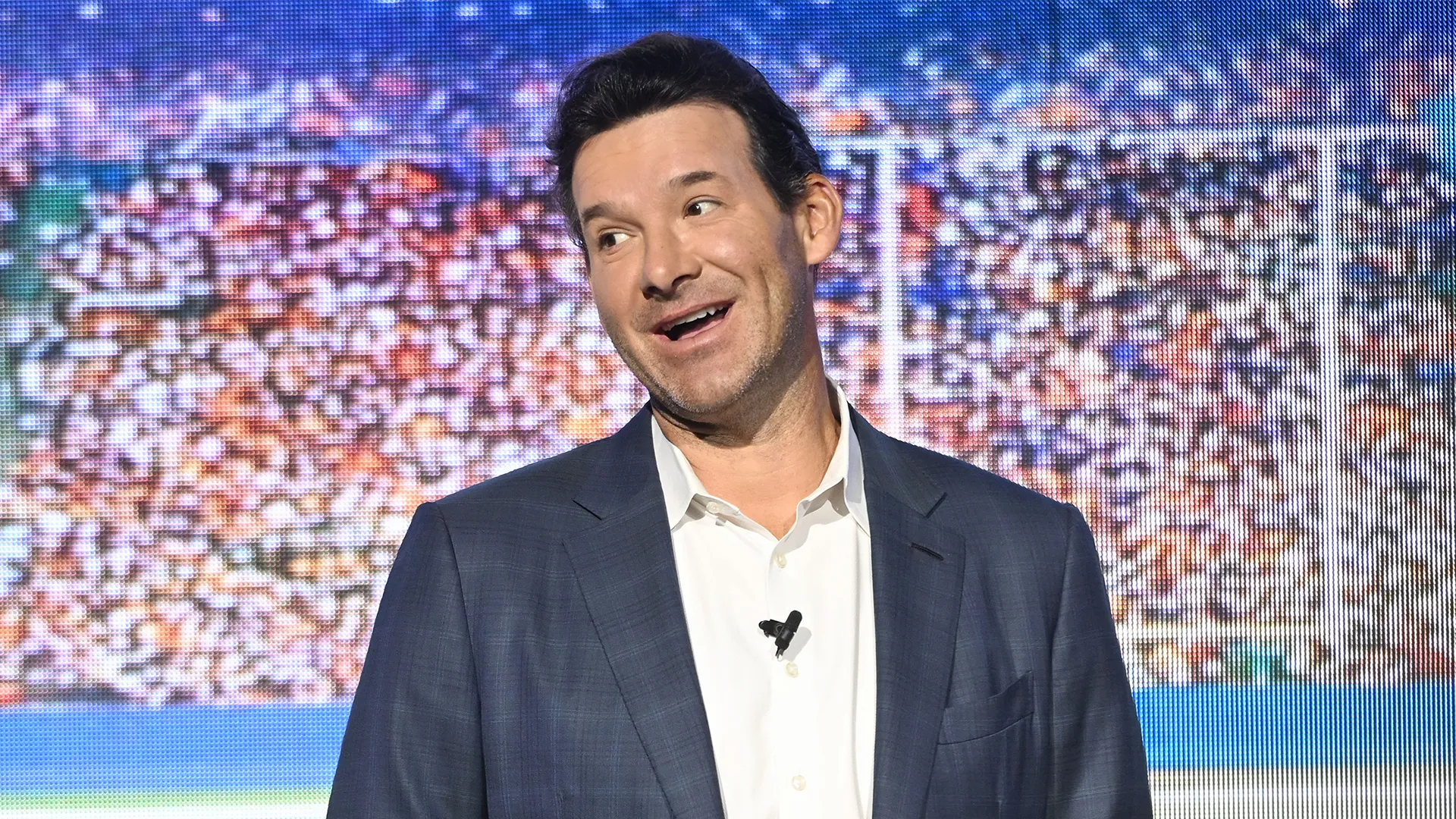
The Hall of Fame-caliber analyst who redefined football commentary is sidelined indefinitely just weeks before kickoff, as J.J. Watt steps into the NFL's most prized broadcasting seat.
MILWAUKEE / NEW YORK
For nearly a decade, Sunday afternoons in America have come with a soundtrack: Tony Romo, the former Dallas Cowboys quarterback turned broadcasting phenomenon, calling plays before they happen with an uncanny, almost psychic instinct that turned him into the highest-paid game analyst in television history. That soundtrack has gone quiet, at least for now. CBS Sports announced this week that Romo has been placed on indefinite leave following his arrest on suspicion of driving under the influence, a stunning fall for a broadcaster who, just a few years ago, signed a reported $180 million, ten-year contract that made him the envy of every analyst in sports media.
The arrest happened on July 23, when Romo, 46, was pulled over while driving south on Interstate 43 in Milwaukee County, Wisconsin. According to the Milwaukee County Sheriff's Office report, deputies stopped Romo after allegedly observing him passing other vehicles illegally. Officers reported finding an open container of alcohol inside his black Jeep. Romo was taken into custody after performing poorly on field sobriety tests, and court records show he was cited for refusing to submit to a chemical intoxication test — a charge that, in Wisconsin, typically carries its own separate administrative penalties on top of any DUI charge itself. He was booked and released the same day. A court appearance has been scheduled for September 21, just as the NFL season will be entering its third week.
A Quiet Arrest, a Loud Consequence
The story stayed largely under the radar for over a week before CBS confirmed its decision on July 31, just as the network's pregame promotional machine was gearing up for the new NFL season. In a brief statement, CBS Sports said it was aware of the situation and that Romo would step away from his duties "while this personal legal matter is being resolved," language that stopped short of confirming a timeline for his return. Network insiders describe the decision as both a legal precaution and a values statement — CBS has spent years building its NFL package, and its top analyst becoming the story rather than the game is exactly the kind of headline the network wants to avoid heading into a high-stakes broadcast season that includes several marquee early matchups and a Super Bowl rotation year on the horizon.
Taking Romo's chair, at least for the foreseeable future, is J.J. Watt, the five-time All-Pro defensive end who retired from playing in 2024 and has spent the past two seasons building a reputation as a sharp, likable studio and game analyst in his own right. Watt will join play-by-play voice Jim Nantz and sideline reporter Tracy Wolfson on the network's top NFL broadcast team, effectively inheriting the most consequential seat in sports broadcasting overnight. It is a remarkable elevation for Watt, who has publicly downplayed comparisons to Romo but whose football IQ and easy rapport with Nantz have made him a natural fit for bigger opportunities.
The Rise That Made the Fall So Steep
To understand why this news landed so hard across the sports world, it helps to remember just how unlikely Romo's broadcasting ascent was. He retired from playing quarterback in 2017 with a reputation as a talented, injury-plagued Cowboys signal-caller who never won a playoff game he desperately needed. Nobody expected him to walk into a booth and revolutionize how football is talked about on television. But almost immediately, Romo's ability to predict plays before the snap — reading formations, personnel groupings and tendencies in real time and calling out blitzes, play-action fakes and even touchdown passes before they unfolded — turned him into appointment listening. Fans nicknamed him "Romostradamus." CBS rewarded that magic with the largest broadcasting contract in the history of sports media when it re-signed him in 2020, and by every account he had become as central to the NFL viewing experience as the players themselves.
That is precisely what makes his indefinite leave sting so much for football fans heading into the fall. Romo was never just an analyst; he was a weekly ritual, the voice that made casual viewers feel like they understood the game at a deeper level. His absence, even if temporary, changes the texture of the broadcast in a way few personnel moves in sports media ever have.
What Happens Next
Legally, Romo faces a Wisconsin OWI (Operating While Intoxicated) charge, compounded by the refusal citation, which can trigger an automatic license revocation independent of the criminal case's outcome. First-offense OWI in Wisconsin is typically a civil violation rather than a criminal one, though the refusal to submit to testing complicates matters and could extend any license suspension well beyond what a standard first offense would carry. His September 21 court date will likely determine whether this becomes a swiftly resolved civil matter or a more serious, prolonged legal entanglement.
Professionally, the question hanging over CBS Sports is duration. "Indefinite" is a carefully chosen word in corporate crisis communications — it commits the network to nothing while giving Romo room to address the legal matter without a hard deadline hanging over his head. Sports media analysts note that networks have handled similar situations in wildly different ways, from swift reinstatement after a matter is resolved to quiet, permanent transitions dressed up as personnel evolution. Much will depend on how Romo's case unfolds in court and how he handles the moment publicly in the weeks ahead.
For now, Watt's promotion gives CBS a credible, likable answer to an uncomfortable question, and it gives Romo something broadcasters rarely get: real time away from the microphone to get his footing back. Whether he returns to that Sunday chair this season, next season, or not at all, is now one of the more closely watched storylines of the coming NFL year — off the field, but very much shaping how fans will experience the games on it.
What This Means For Readers
Beyond the football world, Romo's situation is a reminder of how quickly a meticulously built public reputation can be upended by a single night's decision, and how workplaces — even glamorous ones like network broadcast booths — increasingly treat legal trouble as an immediate operational risk rather than a private matter to quietly wait out. For NFL fans, it also means adjusting to a new voice in the booth for at least the opening stretch of the season, a shift that, however jarring at first, may end up introducing millions of viewers to Watt's own distinct broadcasting style.
Romo's next moves — legal and professional — will be closely watched well beyond the sports pages. For a sport that thrives on predictability inside the lines, the uncertainty around one of its most beloved voices is, for once, entirely off the field.



