Written By |
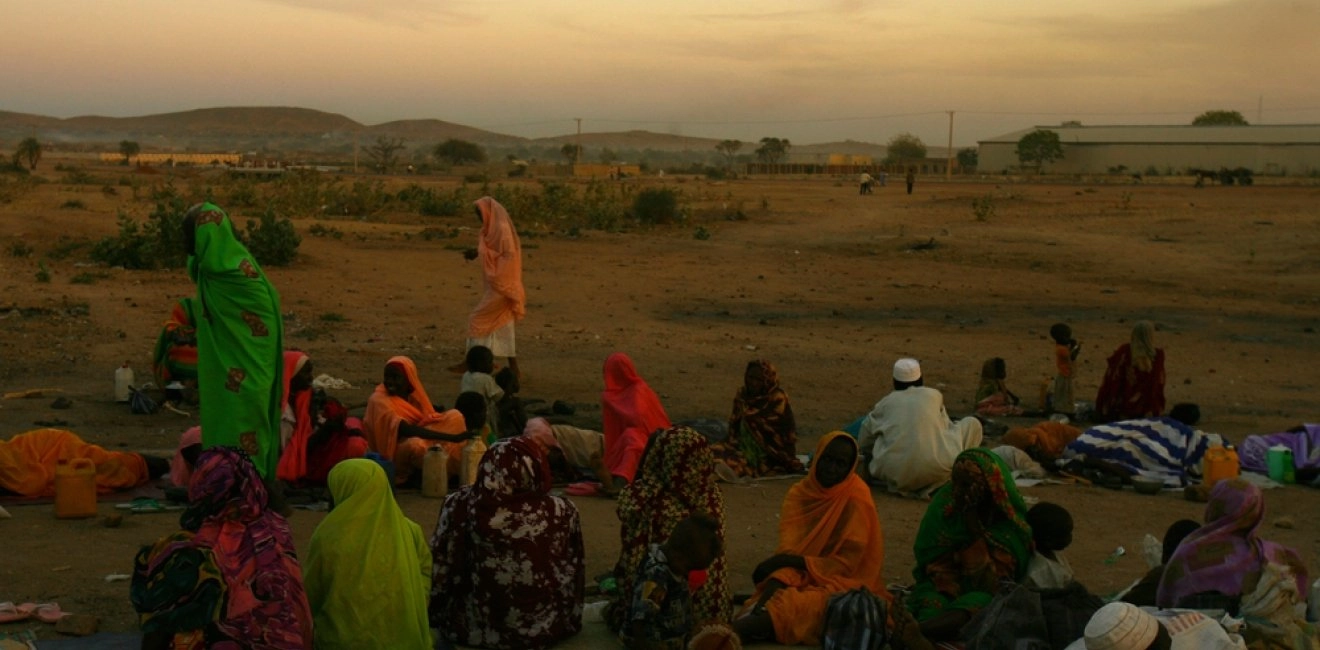
Women bear the brunt of violence, with their bodies becoming battlegrounds in the war for power
By Our Writer
Only a few years ago, Sudan was a beacon of hope as women led a revolution that ousted longtime dictator Omar al-Bashir after three decades of oppressive rule. Women from all walks of life, frustrated by public order laws that humiliated urban dwellers and subjected rural communities to violence, rallied for change. They played pivotal roles in the protests, from organizing marches to providing water and moral support.
However, the euphoria of the revolution was short-lived. Women were sidelined in the transitional government that followed, as positions of power were filled by individuals from dominant ethnic groups. Five years later, Sudan is gripped by a devastating conflict, and once again, women bear the brunt of violence, with their bodies becoming battlegrounds in the war for power.
Escalating sexual violence
Since the outbreak of war between the Sudanese Armed Forces (SAF) and the Rapid Support Forces (RSF), countless women have been subjected to sexual violence. Victims include women from urban middle-class families, marginalized ethnic groups in peripheral regions, international aid workers, and refugees.
Reports indicate that all armed groups involved in the conflict—including the SAF, RSF, Joint Forces, and other rebel factions—have been implicated in these atrocities. In some cases, sexual violence is used as a coercive tool, with perpetrators exploiting women’s desperate need for food and safety.
In January, the Joint Forces were accused of raping women, abducting others, and killing 11 children in Al-Zurq, an Arab village and hometown of RSF leader General Mohamed Hamdan Dagalo (Hemedti). Similarly, the RSF has been accused of using sexual violence as a weapon in areas under their control, with reports from Human Rights Watch detailing allegations of sexual enslavement and rape in the Nuba Mountains, a region with a history of conflict and marginalization.
Darfur: A grim reality
Darfur has long been a flashpoint for sexual violence, beginning with the 2003 conflict when non-Arab groups rebelled against Sudan’s Arab-dominated government. Khartoum’s response involved arming Arab militias, which later evolved into the RSF.
One of the most harrowing stories emerged from El-Geneina, the capital of West Darfur. During my visit last year, I learned that nearly all the women in a single neighborhood had been raped by Arab militias allied with the RSF. Even Arab women faced violence for marrying non-Arab men. Meanwhile, university students fleeing the city became targets for rival groups, further highlighting the pervasive nature of this violence.
Sexual violence in Darfur has persisted for decades, with impunity allowing perpetrators to continue their crimes. The recent escalation of conflict has only worsened the situation, leaving survivors with limited avenues for justice or support.
Root causes and impunity
Women’s rights activists argue that the recurring pattern of sexual violence in Sudan stems from systemic impunity. Few perpetrators are held accountable, and political compromises often prioritize military alliances over justice for victims.
“Only 2% of cases are reported,” one activist revealed, underscoring the silence surrounding these atrocities. Deeply ingrained cultural stigmas, coupled with the failure of political systems to protect women, perpetuate this cycle of violence.
As Sudan descends further into crisis, the international community must amplify the voices of survivors and pressure warring factions to end sexual violence. Concrete steps are needed to ensure accountability, protect women, and provide resources for survivors.
The women who led Sudan’s revolution dreamed of a brighter future, free from oppression and violence. Today, their plight serves as a stark reminder of the unfinished struggle for justice and equality in a nation long scarred by conflict.
Torch Media Africa



