Written By |
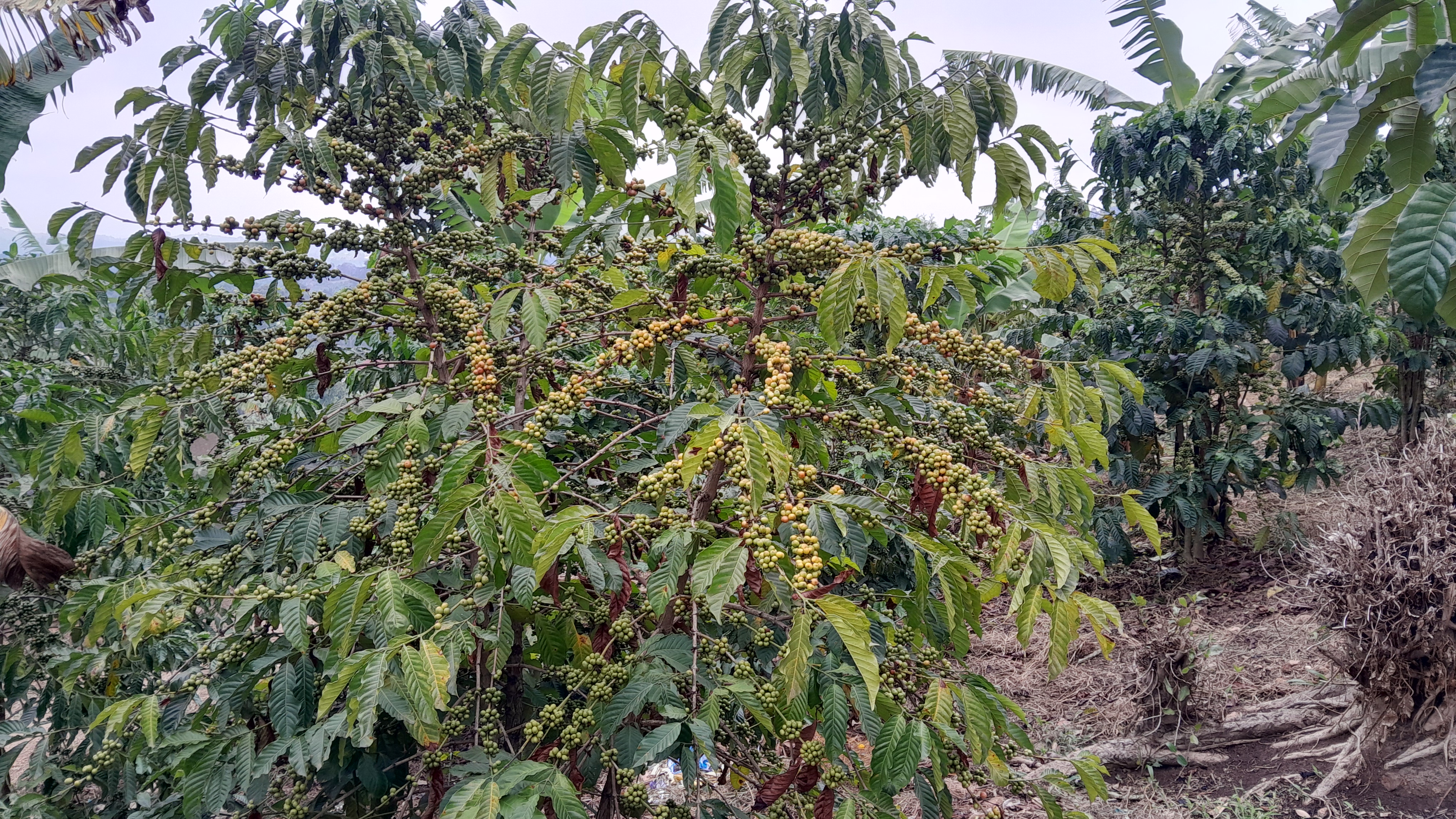
The rising prices of coffee on both local and global markets have tempted some farmers into prematurely harvesting unripe berries in pursuit of quick profits
By Our Reporter
Bushenyi – Coffee farmers have been cautioned against harvesting immature coffee berries and using poor post-harvest handling methods, as these practices significantly reduce the quality and market value of Uganda's coffee.
The warning was issued by the Deputy Mayor of Bushenyi–Ishaka Municipality, Milton Kasubure, during a media briefing. He noted that the rising prices of coffee on both local and global markets have tempted some farmers into prematurely harvesting unripe berries in pursuit of quick profits.
“Some farmers are driven by high market prices to harvest immature berries, which compromises the quality of our coffee and risks damaging Uganda's reputation on the global market,” Kasubure said.
Kasubure, who is also a prominent coffee farmer in Bushenyi District, expressed concern over poor drying methods, including spreading coffee directly on bare soil rather than using proper practices such as raised drying beds or tarpaulins.
“Drying coffee on the ground leads to contamination and mold growth, which affects taste, aroma, and export eligibility,” he warned.
Poor harvesting practices hamper coffee quality and prices
Harvesting immature berries leads to a high number of defective beans, reducing coffee quality and grade. Poor drying methods can cause contamination and over-fermentation, rendering the coffee unsuitable for premium or specialty markets. As a result, farmers earn less, and Uganda risks losing its position in competitive international markets.
Uganda’s coffee prices and export performance
Recent data shows that Uganda's coffee industry is on an upward trajectory. In March 2025, the average export price was USD 5.15 per kilogram, up from USD 3.27 in March 2024—reflecting growing global demand for high-quality beans.
Uganda exported 6.13 million 60-kilogram bags of coffee in the 2023/24 financial year—equivalent to approximately 368,000 metric tonnes—earning the country USD 1.144 billion. This represented a 6.33% increase in volume and a 35.29% rise in revenue compared to 2022/23, making it the best performance in 30 years.
Uganda remains Africa’s leading coffee exporter and ranks among the top 10 globally. The European Union continues to be the biggest market, accounting for over 70% of Uganda’s coffee exports.
Theft a growing concern
Kasubure also urged farmers to safeguard their plantations against theft, particularly from idle youth groups that have been targeting coffee gardens at night.
“The security of your gardens is as important as the quality of your produce. We need to be vigilant and proactive. I urge communities to organize night patrols to protect their harvests,” he said.
Torch Media Africa



