Written By | Our Reporter
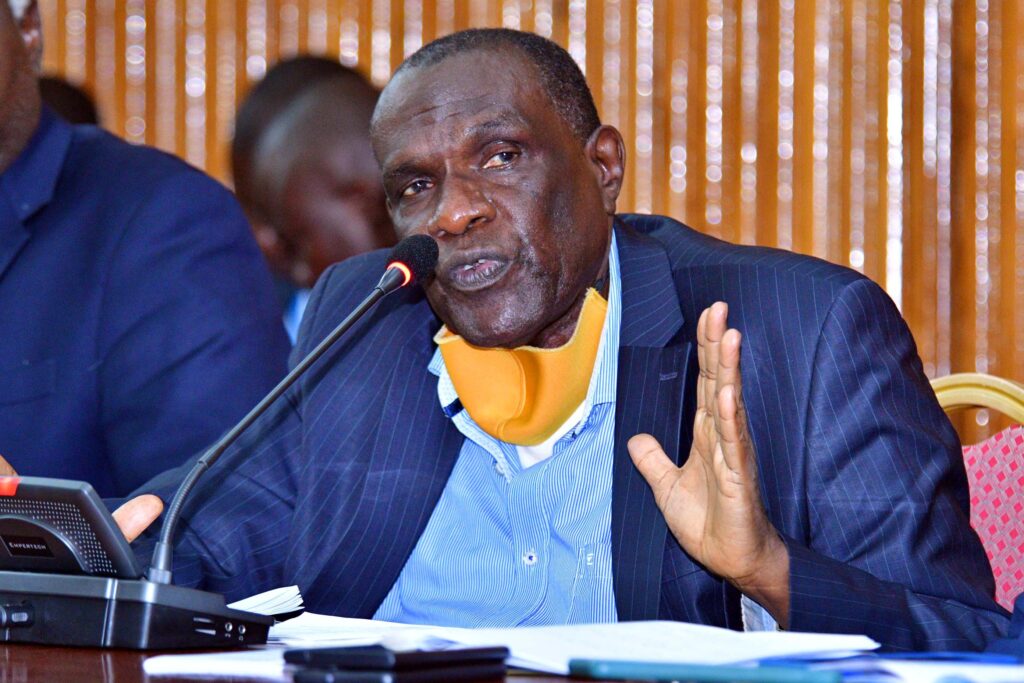
Hajji Yunus Kakande
Parliament
The Secretary in the Office of the President, Hajji Yunus Kakande, has admitted that unknown security operatives took control of elections in Ssembabule District after both the area army commander and Resident District Commissioners (RDCs) denied knowledge of the forces deployed during the January general elections.
Kakande made the revelation during a meeting between Parliament’s Public Accounts Committee (PAC) and officials from the Office of the President convened to consider the December 2025 Auditor General’s report. Members of Parliament opened the session by raising concerns about the conduct of RDCs in the recently concluded general elections.
“I contacted the late Deus Sande, the former Masaka Army Commander, and asked what was going on in Ssembabule. He told me, ‘These are not my forces.’ I asked whose forces they were, and he said he did not know and advised me to ask the regional police commander. I asked the regional police commander, but he also did not give me a clear answer. The RDC had already given up. I asked myself, where do I go? You cannot allow impunity to continue in elections. That is why I would not allow any RDC who wants to usurp the powers of the electoral returning officer,” Kakande said.
Hajji Yunus Kakande
Intervention in Kassanda North
Kakande further told the committee that he intervened in Kassanda North to ensure that National Unity Platform (NUP) candidate Patrick Nsamba was declared winner after the area RDC reportedly hesitated to announce the results.
“I received a call from my RDC in Kassanda that there was a problem and that the person who was winning was not being declared. I asked who that was, and they told me Nsamba was leading by 200 votes. I told the RDC that if Nsamba is winning, what is the problem? Instruct the returning officer to declare the winner. They declared him,” Kakande said.
He explained that his decision was informed by memories of the 1981 elections and the sensitivity surrounding electoral processes in Uganda.
“Where I received information early, I intervened. My phone was on 24/7 because I knew I was the only person who could prevail over RDCs,” he added.
Nsamba, who was present at the meeting, expressed gratitude, saying: “Hajji, if it was you, thank you.”
Proposal to Replace Returning Officers with CAOs
Kakande also proposed that Chief Administrative Officers (CAOs) be appointed as returning officers at the district level, arguing that Electoral Commission-appointed returning officers are vulnerable to intimidation.
“I attribute this to the weakness of the Electoral Commission. Why should a returning officer allow an RDC to direct them on whom to declare? I do not want to speak about the Electoral Commission’s internal matters, but I have always asked why chief administrative officers should not serve as returning officers. They can be controlled centrally by the government and are accountable. Anyone can take them to court,” he suggested.
RDC Accountability Questioned
The Secretary acknowledged that not all of the country’s 146 RDCs met expectations, citing districts such as Kibuku, Buvuma, Ssembabule, and Lwengo. He revealed that some RDCs were scheduled for transfer while others had been interdicted.
“We invited some of them, including the RDC of Ssembabule, and asked what happened and why they lost control of the district. We also engaged security officers on why they complicated the RDC’s work. I asked the RDC whether she thought she needed a transfer. She requested time to complete the lower-level elections and leave Ssembabule peacefully,” Kakande said.
However, several MPs opposed the proposed transfers.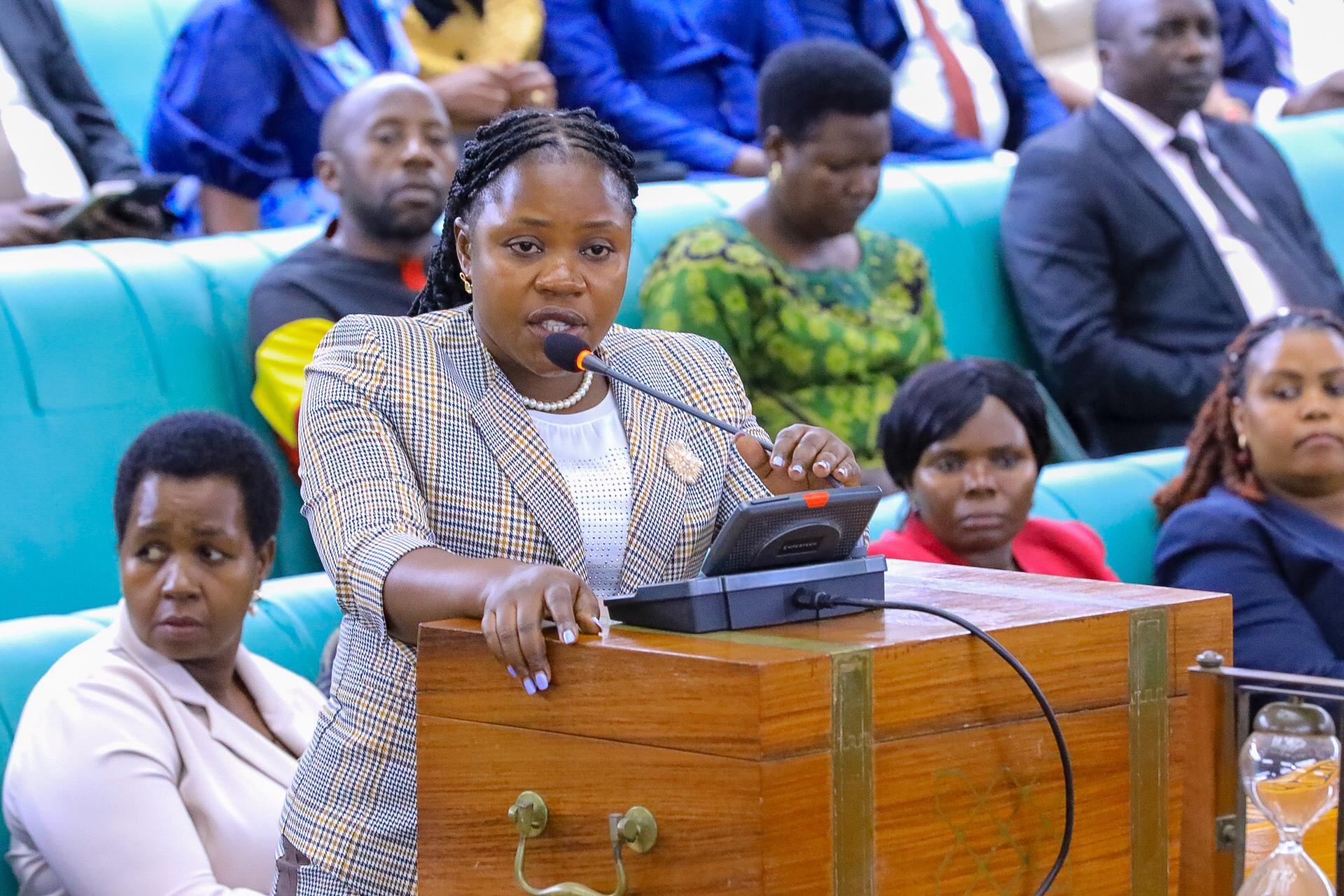
Susan Mugabi (Buvuma Woman MP)
Buvuma Woman MP Susan Mugabi criticised the practice of transferring controversial RDCs instead of dismissing them.
“Hajjat Hahwa Namugenyi, now in Buvuma, was previously in Buikwe where she clashed with the minister over land grabbing. Instead of dropping her, you transferred her and brought the problem to Buvuma. Such people should be dropped because no one needs officials who are careless about their roles and responsibilities,” Mugabi said.
Mawogola South MP Gorreth Namugga also rejected the proposal to transfer the Ssembabule RDC, arguing that the same team presided over violence during both parliamentary and local council elections.
“They went ahead and messed up the LC5 elections and lower local government polls. Why should we leave such a person in office? Please do not transfer them—interdict them. We have enough evidence,” Namugga said.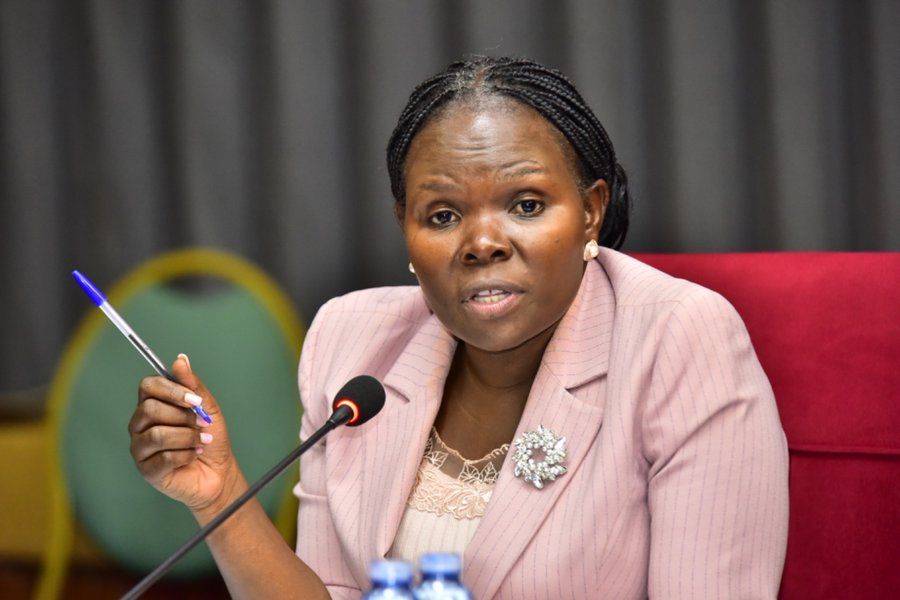
Mawogola South MP Gorreth Namugga
Allegations of Militarisation
Namugga further raised concerns about the militarisation of elections and called on the Office of the President to clarify the role of the army, particularly the Special Forces Command (SFC), in Ssembabule.
“I want you to look into the conduct of the SFC in Ssembabule. Many people did not vote. The army took over and managed the elections. Even the RDC’s vehicle was used in the elections with its number plates removed,” she alleged.
“We cannot compromise governance. Uganda is known to be a democratic country, and we cannot have a district security head actively participating in causing insecurity,” she added.
Kassanda North MP Patrick Nsamba attributed the conduct of some RDCs to what he described as the Office of the President’s failure to rein in officials who perceive themselves as direct representatives of the President in their districts.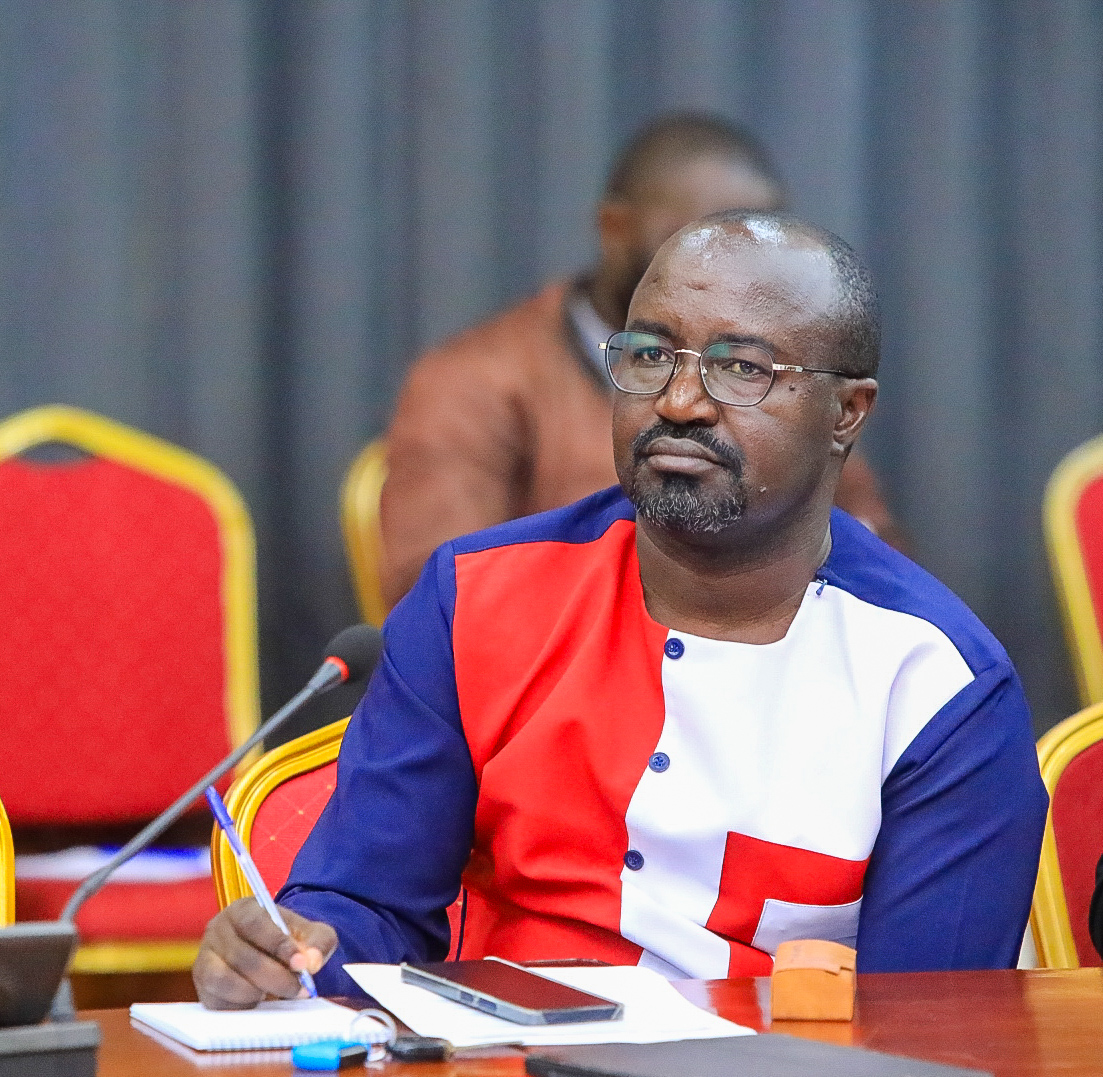
Patrick Nsamba (Kassanda North) MP
“These RDCs posture as if they are the voice of the President on all matters. They introduce themselves as the President’s voice in the district. By transferring them, you are simply exporting the problem because the behaviour will remain the same,” Nsamba said.
“There are many people who would like to serve as RDCs. Why retain individuals whose conduct is tainting the government? I also want clarity on land management and the authority you gave them over land transactions because many land disputes originate from RDC offices,” he added.
The revelations and exchanges at the PAC meeting have renewed scrutiny over the role of RDCs and security agencies in Uganda’s electoral processes, as lawmakers demand greater accountability and institutional reforms ahead of future polls.
Torch Media Africa



