Written By | International News Agencies
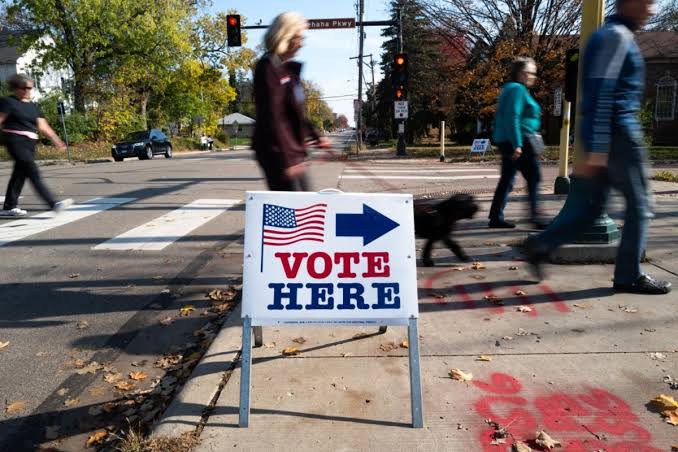
Voters are choosing all 435 House members, roughly a third of the Senate, and a majority of the nation's governors, along with 145 statewide ballot measures
World Politics
Overview
Polls opened across the United States this morning in midterm elections that will decide control of both chambers of Congress and set the political terms for the final two years of President Donald Trump's second term. Voters are choosing all 435 House members, roughly a third of the Senate, and a majority of the nation's governors, along with 145 statewide ballot measures. Final polling and an unusually large early vote favor the Democrats, but the campaign has ended amid a fight over election administration that could shape how, and how quickly, the result is accepted.
Yesterday's coverage looked ahead to this moment; today the voting itself is under way, with results beginning to arrive from the evening of Eastern Time and the full picture, particularly in the West, unlikely to be clear until late tonight or later.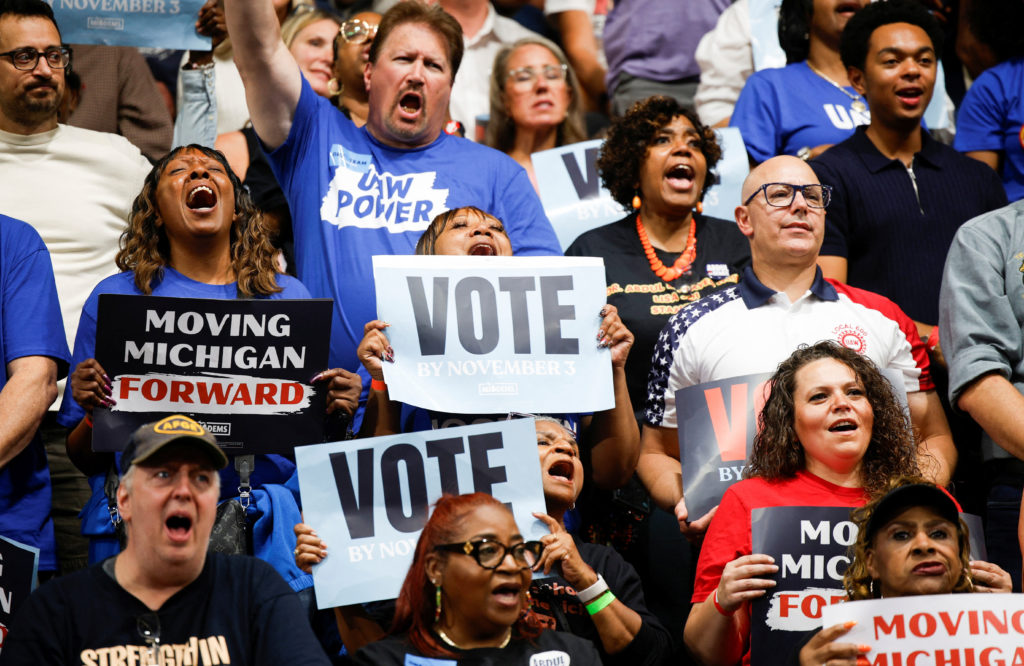
Background: A Midterm Defined by Cost of Living and War
Midterms are traditionally a difficult test for the party in the White House, and this year the president enters the contest with weak approval ratings. The latest Reuters/Ipsos poll puts Trump's approval at 32 percent and shows Democrats leading the generic congressional ballot by eight points, while Rasmussen, a pollster that typically produces more favorable numbers for Republicans, has him at 41 percent. Al Jazeera cited national polling of 51.5 percent for Democrats and 43.1 percent for Republicans two days before the vote.
Voter frustration has centered on the cost of living, which critics link to the administration's tariff policy, and on the war with Iran. The average price of gasoline stood at $4.16 a gallon on Monday, according to AAA, amid the Middle East conflict. Over the final weekend, news from the Gulf added to the backdrop: US forces carried out what they described as defensive strikes on Qeshm Island after the Iranian Revolutionary Guard fired a surface-to-air missile at an American aircraft, while Qatari-mediated talks in Doha were reported to have produced a breakthrough. Trump said a deal was close but warned that military operations could resume if none is reached.
Money has poured into the contest on a record scale. Political advertising reached $3.8 billion as of mid-October, according to Reuters, and Elon Musk has spent about $366 million supporting Republicans, based on campaign finance records.
What Is at Stake
In the House, Republicans hold a razor-thin majority. Reuters described the chamber as 218-214 with two vacancies and one independent who caucuses with the GOP, and put the Democratic requirement at a net gain of four seats; Fox News said Democrats need a net gain of three to reach 218. The difference appears to reflect differing treatment of vacancies. Fox's Power Rankings project as many as 240 Democratic seats in a good night for the party, and as few as 212 Republican seats in a good night for the GOP. One seat to watch is Kentucky's 6th District, which Trump won by 15 points in 2024 but now looks competitive.
In the Senate, Republicans hold a 53-47 majority. Democrats need a net gain of four seats for control; Republicans need 50 seats to retain it because Vice President JD Vance breaks ties. Fox lists toss-ups for the GOP in Alaska, Iowa, Maine, Nebraska, Ohio, South Carolina and Texas, with Kansas, where Democrat Adam Hamilton is challenging Sen. Roger Marshall, moving from lean Republican to toss-up. Democrats are defending Michigan, Minnesota and New Hampshire. Sabato's Crystal Ball expects a likely Democratic Senate majority, and the New York Times/Siena polling shows Democrats leading in Michigan, Texas, Maine, Ohio, Kansas, Alaska and Iowa.
Governors are also on the ballot. Fox counts 36 of 50 governorships up for election, whereas Reuters described races in 39 states; the discrepancy may reflect differing counts of territories or special elections and could not be resolved from the sources reviewed. Toss-ups include Alaska, Nevada, Georgia and Wisconsin. Ballot measures include California's Proposition 40, a one-time 5 percent tax on wealth for residents worth more than $1 billion, a proposal to repeal Washington's 9.9 percent tax on income above $1 million, abortion-related measures in Missouri, Idaho, Virginia and Nevada, and voter ID or noncitizen voting measures in 11 states.
Key Developments: Record Early Voting
More than 54 million ballots were cast before Election Day, according to the Associated Press, nearly nine million more than in 2022. A University of Florida analysis cited by Al Jazeera counted about 53.14 million early votes as of Sunday morning, including 29 million in person and 23 million by mail, compared with about 46 million at the same point in 2022. Roughly 210 million Americans are registered.
The early electorate leans Democratic. More than 11 million registered Democrats had voted early, against about 8 million registered Republicans. Turnout is up sharply in several competitive states, including Texas, with more than 7 million votes, over 1.5 million above 2022; South Carolina, up 83 percent; Maine, up 44 percent; Kansas, up 34 percent; and Michigan, up 32 percent. Analysts caution that early voting totals do not reveal how people voted or how Election Day turnout will break, and rules vary widely by state. Republican National Committee chair Joe Gruters framed the other side's argument: "If our voters turn out, we win." Democratic National Committee chair Ken Martin said Democrats can flip the House and take back the Senate.
In his closing argument, Trump spoke at the Lincoln Memorial Reflecting Pool on Monday after a rally in Kansas, where he said Republicans would "win" and make the next two years "bigger and better and stronger than ever before." On social media he also pledged to give "all adult citizens in the United States of America $5,000" if Republicans keep Congress, a promise that drew attention for its scale and lack of detail. Speaker Mike Johnson insists the polls are wrong and Republicans will hold their majorities. Former President Barack Obama urged voters to back candidates who will deliver the change people want.
The Election-Integrity Fight
The final days were dominated by legal conflict over how ballots are counted. The Supreme Court rejected an effort by the Trump administration to set aside thousands of California ballots, following a federal judge and a Ninth Circuit panel. According to earlier reporting, the Justice Department then turned to grand jury subpoenas directing Los Angeles County election staff to appear on November 4, drawing a warning from Judge David Carter that the department should stop threatening election workers; a further hearing is set for November 13. Democrats have sued under the Voting Rights Act, and parallel disputes continue in Washington state and Alaska.
Mail voting, used by about 23 million people so far, has been a particular target of the president, who has repeatedly claimed widespread cheating without evidence. State officials and Democratic lawyers have prepared for possible federal interference. A postal worker in Sacramento was charged with withholding more than 1,000 pieces of political mail, a reminder that administration problems, however isolated, feed the distrust on both sides.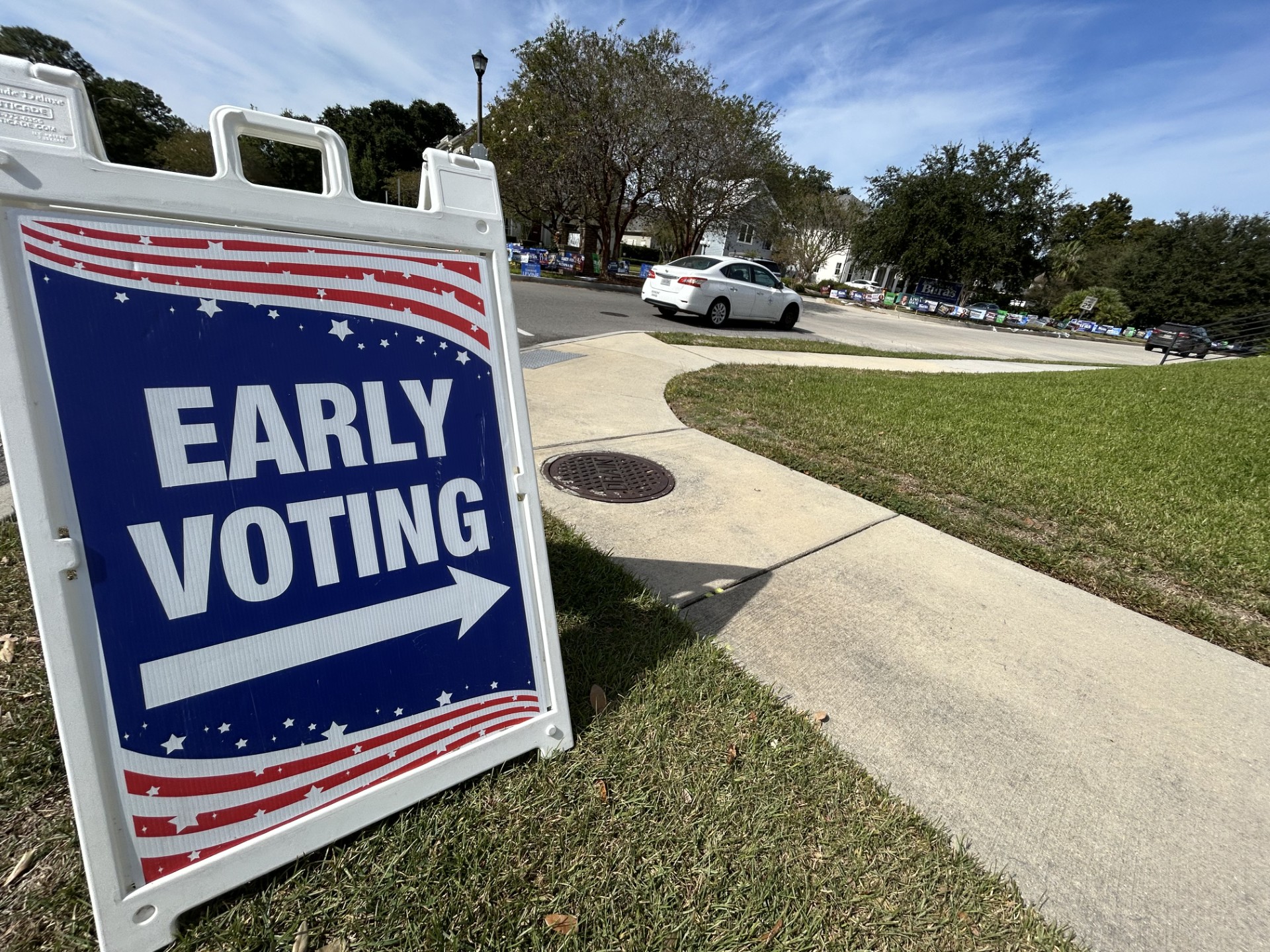
When Results Will Come
Poll closings begin at 6 p.m. Eastern in parts of Kentucky and Indiana. At 7 p.m. Georgia, South Carolina, Vermont and Virginia close, along with most of Florida and New Hampshire, followed at 7:30 by North Carolina, Ohio and West Virginia. At 8 p.m. a large group closes, including Pennsylvania, Illinois, Maine, Massachusetts and most of Texas, Michigan and Kansas. Arizona, Colorado, Iowa, Minnesota, Nebraska, New York and Wisconsin close at 9 p.m., Montana and Utah at 10, California and Washington at 11, and Hawaii and most of Alaska at midnight, with the final Alaska polls at 1 a.m.
Early signals will come from Georgia, Virginia, North Carolina and Ohio. Because California and some other states count mail ballots slowly, close House races there could remain unresolved for days, and Alaska's results may take longer still. If control of the Senate hinges on a handful of toss-ups, the final answer could also be delayed.
What's Next
If Democrats win the House, they would gain subpoena power, committee chairmanships and the ability to block the president's legislative agenda, setting up two years of investigations and budget confrontations. A Senate flip would go further, giving them leverage over judicial and executive nominations. Republican retention of both chambers, by contrast, would be a dramatic upset against the polls and would likely embolden the administration on tariffs, immigration and foreign policy, including Iran.
Foreign governments are watching closely. US officials have reportedly told Gulf allies to prepare for possible strikes on Iran after the midterms, and the Ukraine-Russia working-level talks mediated by Washington in Abu Dhabi on November 10 and 11 will take place in the shadow of the result. For markets and allies alike, the election will indicate whether the president's room for maneuver is expanding or shrinking.
Finally, the way the result is received may matter as much as the result itself. A narrow outcome in contested states, combined with the legal pressure on election officials, raises the prospect of challenges and recounts in the days ahead. Officials in both parties have stressed that counting every valid ballot takes time, and that a slow count is not evidence of fraud.



