Written By | Fashion Experts
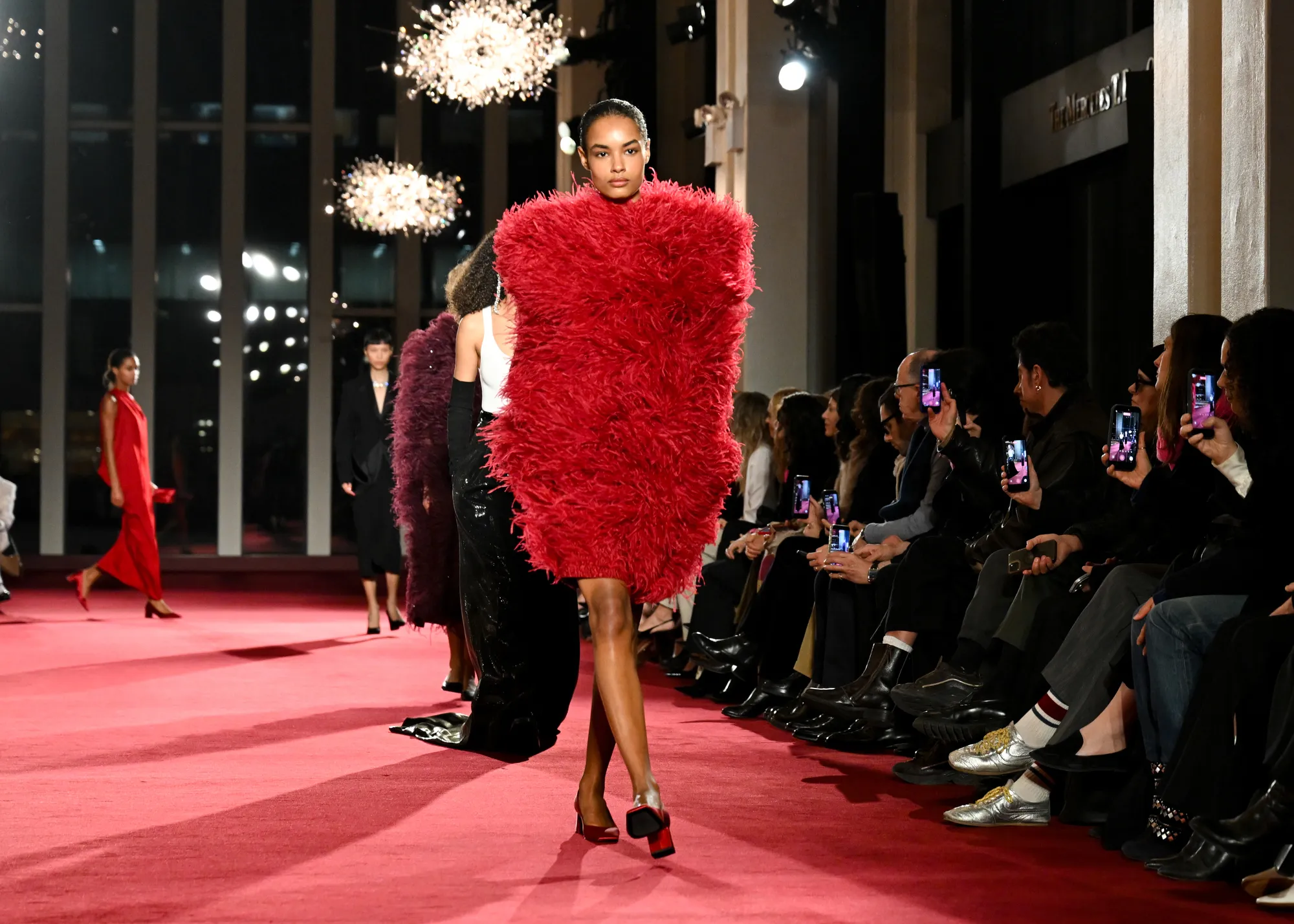
The CFDA's preliminary calendar promises 70 shows, a major artistic-director debut, a legendary finale — and the first season under a sweeping fur-free mandate.
NEW YORK
The fashion calendar has a rhythm, and few beats matter more than the moment the Council of Fashion Designers of America reveals who will show, and when, at New York Fashion Week. This week the CFDA unveiled its preliminary official schedule for the Spring 2027 season, and the document doubles as a state-of-the-industry report: which houses are healthy, which designers are being handed the keys, and which values American fashion has decided to enshrine. The week runs September 10 through September 15, and the lineup makes clear that New York intends to open loud and close louder.
A debut to open, a legend to close
The symbolism starts on the first morning. Diane von Furstenberg will kick off the American Collections on September 10 at 9:30 a.m., and the slot carries unusual weight: it marks the runway debut of the brand's newly appointed artistic director, Henry Zankov, himself a CFDA member. Handing the opening bell to a heritage label at a moment of creative transition is a statement of confidence — a bet that a storied house can be reintroduced to a new generation without losing what made it matter.
At the other end of the week, the CFDA has reserved the finale for a designer synonymous with spectacle. Thom Browne will close New York Fashion Week on September 15 at 5 p.m., a fitting bookend from a designer whose shows routinely blur the line between runway and theater. Between those two anchors sit 70 runway shows and designer presentations, with additional collections premiering by appointment and digitally — a scale that reaffirms New York's ambition to remain a global fashion capital rather than a warm-up act for Europe.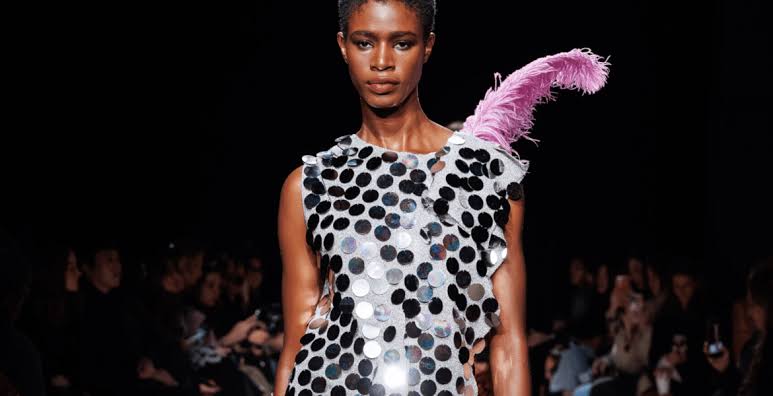
The names on the list
The preliminary roster reads like a cross-section of American fashion's establishment and its rising edge. Among the confirmed designers: Altuzarra, Anna Sui, Area, Bibhu Mohapatra, Calvin Klein Collection, Carolina Herrera, Christian Siriano, Collina Strada, Diotima, Eckhaus Latta, Khaite, LaQuan Smith, Michael Kors Collection, Norma Kamali, Prabal Gurung, Proenza Schouler, Public School New York, Simkhai, Tory Burch, Todd Snyder, Ulla Johnson, Wiederhoeft, and Zankov, among many others.
The breadth is the point. A schedule that seats blue-chip commercial houses like Michael Kors and Carolina Herrera alongside experimental and independent labels like Collina Strada and Eckhaus Latta signals a fashion week trying to be both a business engine and a creative laboratory. For buyers and press planning September, the calendar is a map of where the season's momentum is expected to gather.
It is worth remembering that a preliminary schedule is a living document. Names are added as the season firms up, some houses opt for presentations or appointment-only viewings rather than full runway shows, and a handful of surprises typically surface in the final days before the tents open. What the CFDA has published is less a finished script than an opening statement of intent — a signal of scale, ambition, and the mix of heritage and newness the organization wants to project heading into fall.
A fur-free milestone
The most consequential line in the announcement is not a name but a policy. Following its declaration in 2025, the CFDA's fur-free policy officially takes effect this season across all brands participating on the Official New York Fashion Week schedule. It is a threshold moment: one of the world's leading fashion weeks formally closing the door on animal fur, and using its calendar as the mechanism of enforcement.
The shift reflects years of pressure from animal-welfare advocates and a broader consumer reckoning with the ethics and sustainability of luxury materials. By tying the mandate to the official schedule, the CFDA has made compliance a condition of participation rather than a voluntary gesture — a meaningful escalation from the pledges and piecemeal bans that individual houses have announced over the past decade. For a season built around debuts and finales, it may be the fur-free rule that history remembers.
The policy also positions New York within a wider international movement. Fur has been steadily disappearing from major runways as brands, cities, and even entire countries move against it, and a leading fashion capital enshrining a blanket ban sends a signal that reverberates well beyond September. It hands designers a creative challenge as much as an ethical one: to conjure the drama, texture, and warmth that fur once provided using innovative alternatives — a constraint that has historically pushed fashion toward, rather than away from, invention.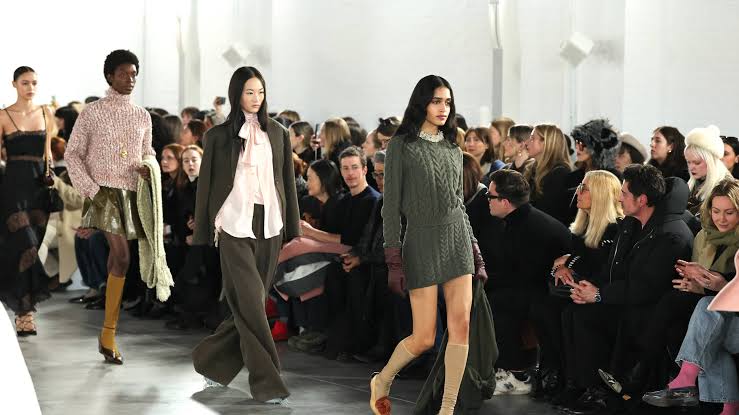
What this means for the rest of us
It is tempting to treat a fashion-week schedule as inside baseball, relevant only to editors and stylists with front-row seats. But the calendar shapes what eventually reaches the sales floor and, from there, the way people dress. The designers who show in September are drafting the silhouettes, colors, and ideas that trickle into stores, social feeds, and closets over the following year. A new artistic director's debut can reset an entire brand's trajectory; a values-driven policy like the fur-free rule can quietly redraw the boundaries of what luxury is even allowed to be.
There is also a travel-and-culture dimension. New York Fashion Week is an economic event for the city, drawing international press, buyers, and clients, and filling hotels and restaurants across a September week. The health of the schedule — 70 shows and counting — is a barometer for the health of American fashion as a global industry.
The bottom line
The Spring 2027 calendar tells a coherent story: New York is opening with a bet on heritage reinvention, closing with a master of spectacle, and, for the first time, doing all of it under a binding fur-free mandate. Preliminary schedules always shift — shows get added, times move, surprises emerge — but the shape is set. When the lights come up on September 10, Diane von Furstenberg and Henry Zankov will fire the starting gun on a season that has already told us plenty about where American fashion believes it is headed.



