Written By |
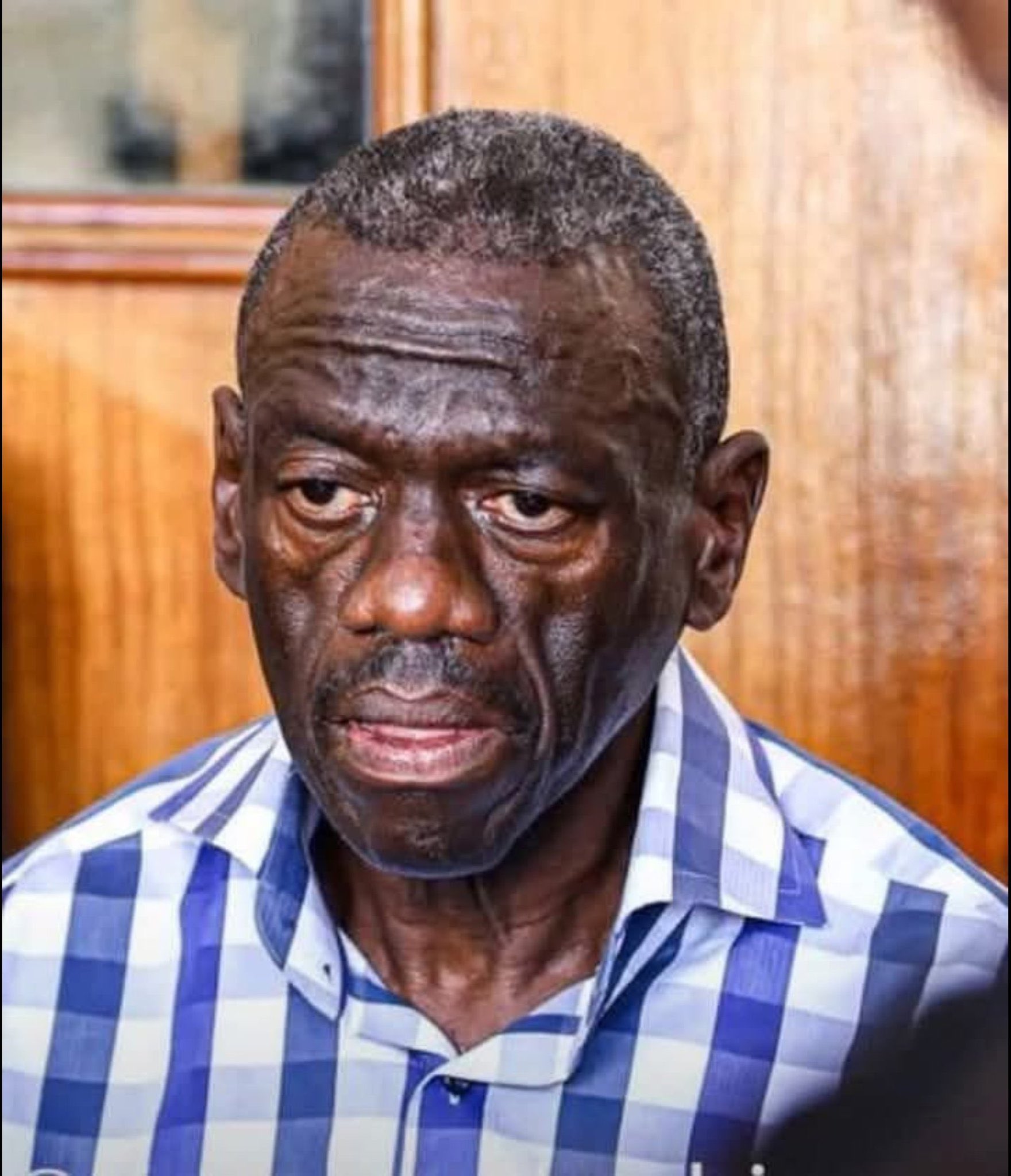
Despite the ruling, several individuals previously facing trial in the Court Martial—including former presidential candidate Dr. Kizza Besigye’s aide, Hajji Obeid Lutale Kamulegeya—have yet to be released
By Our Reporter
Attorney General Kiryowa Kiwanuka is set to withdraw the Uganda People’s Defense Forces (UPDF) Amendment Bill, 2024, following a resolution by the National Resistance Movement (NRM) Parliamentary Caucus. The decision was reached during a meeting chaired by President Yoweri Museveni at State House, Entebbe, on Friday. The Bill, currently under review by Parliament’s Committee on Defense and Internal Affairs, will be revised to incorporate new proposals in response to a recent Supreme Court ruling.
Supreme court ruling and it's impact
The landmark ruling by the Supreme Court declared the trial of civilians in the General Court Martial unconstitutional. It further directed that military personnel facing capital offenses be tried in civilian courts instead of military tribunals. Despite the ruling, several individuals previously facing trial in the Court Martial—including former presidential candidate Dr. Kizza Besigye’s aide, Hajji Obeid Lutale Kamulegeya—have yet to be released. Justice and Constitutional Affairs Minister Norbert Mao defended the delay, arguing that lawyers representing the affected individuals, including former MP Michael Kabaziguruka, should have formally obtained court orders for their release.
“Courts don’t implement their own decisions,” said Mao. “The government respects the ruling, but the legal process requires extracted orders to guide implementation.”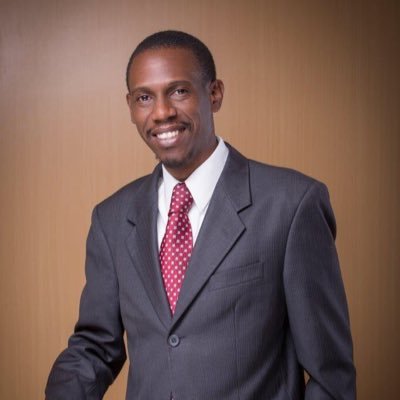
Kiyowa Kiwanuka
Proposed Amendments in the UPDF Bill
The original Bill, introduced last year by Defense Minister Jacob Oboth-Oboth, did not anticipate the Supreme Court ruling. It was initially drafted to align with the Constitutional Court’s earlier classification of the General Court Martial as a “disciplinary committee” for the army.
Among its key proposals:
Re-engagement of retired officers
A significant amendment under Section 53 of the UPDF Act aimed to grant the Commander-in-Chief the power to re-engage retired officers and militants with specialized skills under contract. Currently, retired soldiers enjoy civilian life and can participate in partisan politics, with no provisions for their return to active service.
Next steps
During the NRM caucus meeting, President Museveni expressed disappointment with the Supreme Court ruling but emphasized the need for a revised Bill. The Attorney General has been tasked with withdrawing the current version to allow the Ministry of Defense to introduce new proposals that align with the Court’s decision while maintaining the operational efficiency of the UPDF.
Torch Media Africa



