Written By | Fashion and Design Desk
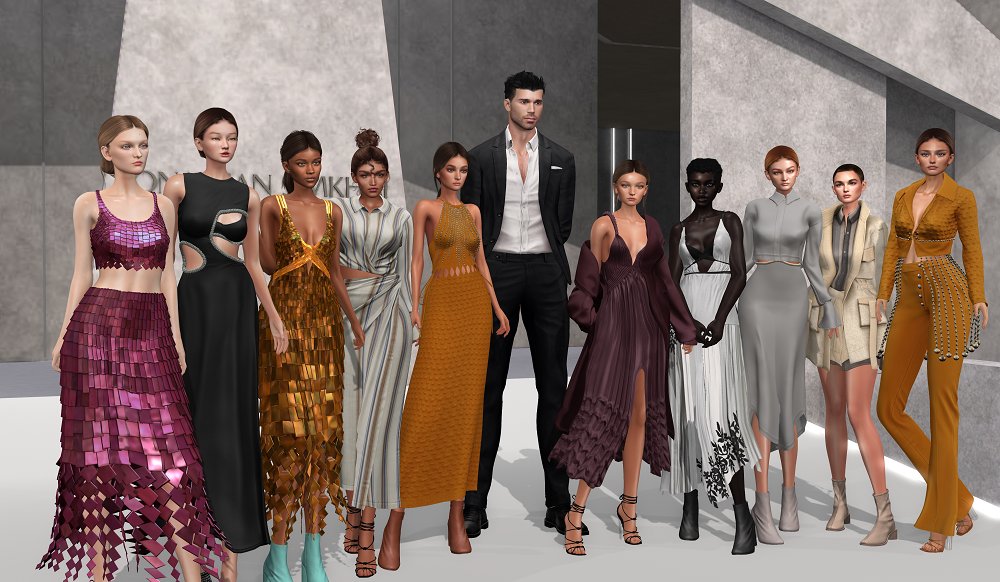
No physical shows, no seating charts, no front row — just AR headsets, AI design tools, and a global roster of designers betting that the future of fashion week doesn't need a runway at all
New York, NY / Taipei, Taiwan
For as long as there has been a fashion calendar, the point of a fashion week has been essentially unchanged: get clothes on bodies, get bodies down a runway, and get the right people in the room to see it happen in person. Digital Fashion Week 2026, now underway across New York, Paris, London, Milan, and Taipei, is testing what happens when you remove nearly every part of that equation except the clothes.
The event, staged in partnership with the fashion-technology group Fashion Techworks, launched with a virtual opening show accessible to anyone with an internet connection, showcasing digital designs from more than 50 brands ranging from established houses experimenting with virtual presentations to emerging designers who have never shown physically at all. There is no in-person runway component this season — organizers have confirmed the event is entirely digital, a deliberate departure from the hybrid physical-digital formats that dominated fashion weeks over the past several years.
For an industry that has spent the past decade anxiously debating whether technology would disrupt or merely decorate its business model, Digital Fashion Week's all-in bet is the loudest signal yet that at least one significant corner of the fashion calendar has stopped hedging.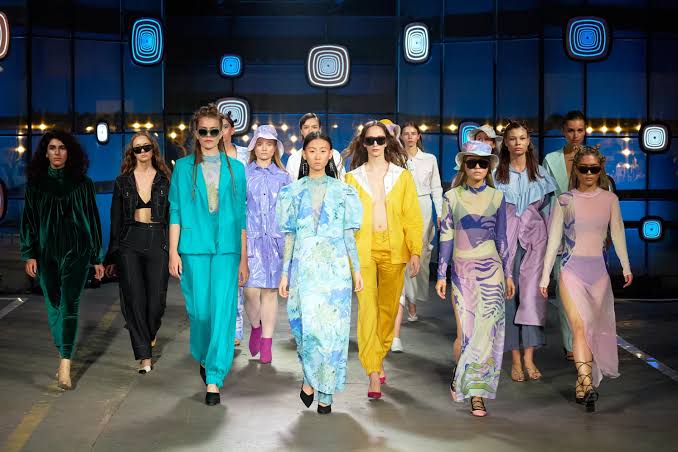
What It Actually Looks Like
Attendees experience the collections through augmented reality and virtual reality platforms, allowing viewers to move through immersive 3D environments rather than watch a flat video feed of models walking a runway. The format allows for spectacle that would be prohibitively expensive or physically impossible in a traditional venue — garments that shift color and texture in real time, environments that respond to viewer movement, presentations that can be “attended” simultaneously by audiences on five continents without a single seating chart or RSVP list.
The designer roster reflects the event's global, digitally-native ambitions: participants include Angel Campos, Cenyi Wang, Irina Razuvan, Loreine, and Right Direction, among dozens of others — many of them names with far smaller physical-world footprints than the marquee houses that dominate traditional fashion week coverage, but with substantial followings built entirely through digital-first design and social platforms. That roster composition is itself part of the point: a digital-only format radically lowers the cost of entry for designers who could never afford a physical runway show in Paris or Milan, but who can build a 3D collection and a virtual audience.
Programming extends well beyond the shows themselves. The event includes daily presentations, panel discussions on digital innovation in fashion, and interactive exhibitions, alongside what organizers are calling the first international fashion-technology symposium of its kind, staged in Los Angeles in partnership with Fashion Techworks. That symposium's ten curated panel sessions dig into the infrastructure question lurking behind all the AR spectacle: what does an AI-native fashion industry actually run on? Sessions cover agentic AI systems that autonomously optimize design and material choices, digital twins that could eliminate physical sampling altogether, predictive analytics for forecasting trends before they emerge, and blockchain tools aimed at bringing genuine transparency to fashion's notoriously opaque supply chains.
Why This Is Happening Now
The timing is not incidental. Fashion has spent the past several years absorbing technological disruption on multiple fronts simultaneously — AI-generated design tools maturing rapidly, Gen Z and Gen Alpha consumers increasingly comfortable spending real money on digital-only goods (skins, avatars, virtual wearables), and a persistent, industry-wide reckoning with the environmental cost of physical fashion weeks, which fly thousands of buyers, editors, and influencers between cities multiple times a year for shows that often last less than fifteen minutes each.
Digital Fashion Week's organizers are betting that those three pressures converge into genuine appetite for a format that eliminates air travel, sample production, and venue costs almost entirely, while still delivering spectacle. Sampling alone is a meaningful target: physical collections typically require dozens of prototype garments before a final design is locked, each one consuming fabric, labor, and shipping — costs that digital twin technology could theoretically compress to a handful of rendering iterations.
Whether that appetite is real, or whether digital-only fashion remains a niche experiment orbiting the industry's actual commercial engine, is the open question the event is implicitly trying to answer. Skeptics — and there are plenty inside the industry — argue that fashion's emotional power has always come from texture, weight, and the specific, unrepeatable energy of watching real bodies move in real clothes, and that no amount of AR rendering fully substitutes for that. Enthusiasts counter that today's teenagers, who already spend meaningful money customizing avatars in games and social platforms, may not experience that distinction as a loss at all.
What This Means for Shoppers and the Industry
For everyday consumers, the near-term impact of Digital Fashion Week is likely to be felt less in what's hanging in stores this fall and more in how collections get designed and previewed before they ever reach a store. If agentic AI design tools and digital-twin sampling genuinely take hold industry-wide, the practical effect could be faster turnaround between a design sketch and a finished, purchasable garment — and, organizers argue, lower prices and less waste, since fewer physical samples need to be produced and discarded along the way.
For designers, especially those without the capital to stage a traditional runway show, the format is a genuine democratizing force: a well-executed 3D collection and a compelling virtual presentation can now theoretically reach the same global audience as a headline Paris show, at a fraction of the cost. That's not a small thing in an industry that has long been criticized for gatekeeping opportunity behind geography and capital.
The bigger cultural question — whether virtual fashion weeks eventually replace, rather than supplement, the physical calendar — will take several more seasons to answer. Traditional fashion weeks in New York, London, Milan, and Paris show no sign of going anywhere; September's in-person NYFW schedule is already locked and packed with major names. But Digital Fashion Week's expanding footprint, and its explicit bet on AI-native infrastructure rather than digital fashion as mere marketing gimmick, suggests the industry is no longer treating the virtual runway as a novelty act. It's starting to look like a parallel track — one that, for a growing number of designers and viewers, might eventually feel just as real as the one with an actual red carpet.



