Written By | Health Expert
More than 2,100 confirmed cases. Over 828 dead. Zero approved vaccines.
More than 2,100 confirmed cases. Over 828 dead. Zero approved vaccines. As the Bundibugyo Ebola virus tears through the Democratic Republic of Congo and spills into Uganda, medically evacuated patients have now landed in Germany and France — and aid groups say the world is still "chasing the outbreak instead of staying ahead of it."
ITURI PROVINCE, DEMOCRATIC REPUBLIC OF CONGO
Somewhere in the dense, conflict-scarred forests of Ituri province in the eastern Democratic Republic of Congo, a virus most people have never heard of is quietly becoming one of the deadliest Ebola outbreaks the world has ever recorded — and this time, there's no vaccine to stop it.
As of July 16, 2026, the DRC has confirmed 2,124 cases of Ebola disease caused by the Bundibugyo virus, with 828 deaths. Add in cases confirmed in neighboring Uganda and imported cases medically evacuated to Europe, and the total climbs past 2,145 confirmed infections and 830 deaths. Ituri province alone accounts for the overwhelming majority of the devastation, with 1,904 cases and 692 deaths recorded across 27 of the province's 36 health zones.
Public health officials and aid organizations are now calling it the third-largest Ebola outbreak ever recorded, behind only the catastrophic 2014-2016 West Africa epidemic that killed more than 11,000 people and the 2018-2020 outbreak in DRC's North Kivu region. What makes this one especially frightening isn't just its size — it's the speed at which it has grown, and the fact that virtually none of the medical tools that tamed previous Ebola outbreaks actually work against this particular strain.
A VIRUS THE WORLD FORGOT TO PREPARE FOR
There are six known species of ebolavirus, but the vaccines and treatments developed over the past decade — including the widely used Ervebo vaccine and monoclonal antibody treatments like Inmazeb and Ebanga — were built specifically to target Zaire ebolavirus, the strain responsible for most major outbreaks, including West Africa's. Bundibugyo virus, first identified in Uganda in 2007, is a genetically distinct species. And critically, there is currently no approved vaccine or specific treatment for it.
That single fact has turned what might otherwise have been a containable regional flare-up into a runaway crisis. Doctors Without Borders (MSF), which has been on the ground since the outbreak was declared, has described the speed of spread as unlike anything responders have dealt with in recent memory. According to MSF's own tracking, confirmed cases tripled from roughly 650 to over 2,000 in under five weeks earlier this summer, while deaths increased more than fivefold over the same stretch, jumping from around 130 to over 700.
"Every delay costs lives. We are still chasing the outbreak instead of staying ahead of it," said Trish Newport, MSF's emergency programme manager, in one of the starkest assessments yet of how the response is going.
MSF now operates seven dedicated Ebola treatment centers and more than 15 isolation units spread across Ituri, North Kivu, South Kivu, and Tshopo provinces — a combined total of over 430 treatment beds — and had admitted more than 968 patients as of July 14. Even with that scale of deployment, the organization has been publicly and repeatedly calling for a faster, larger international response, warning that the outbreak's growth is outpacing the world's ability to contain it.
A GLIMMER OF GOOD NEWS IN UGANDA
Amid the grim numbers, there was a rare piece of good news this month. On July 16, Uganda discharged the last Ebola patient who had been receiving treatment at the Mulago National Referral Isolation Centre in Kampala. With no remaining active cases in the country, Uganda's Ministry of Health has now started the formal 42-day countdown — the standard monitoring period that must pass without a new case before a nation can be declared free of active Ebola transmission.
It's a genuinely hopeful sign that containment measures can work even against a strain this dangerous, but health officials are cautious about declaring any kind of victory. Uganda's outbreak was directly seeded by cross-border transmission from DRC, and as long as the epidemic continues to rage in Ituri and surrounding provinces just across the border, the risk of reintroduction remains real.
THE OUTBREAK HAS ALREADY LEFT AFRICA — TWICE
Perhaps the most unsettling detail for readers outside Central Africa is that this outbreak has not stayed contained to the region. In May 2026, a U.S. citizen infected with the virus was medically evacuated to Germany for treatment. On June 24, 2026, a second imported case was confirmed in France. And in the most recent development, a U.S. citizen working for a humanitarian aid organization in DRC tested positive for Bundibugyo virus on July 10 and was medically evacuated to Germany on July 13 — the second such case sent to German hospitals in just three months.
These evacuations underscore a hard truth about modern outbreaks: in a world of international air travel and cross-border aid work, an epidemic burning in a remote forest province can put a patient in a European hospital bed within days. European health authorities, including the European Centre for Disease Prevention and Control (ECDC), have issued heightened alert notices tracking the situation, though officials stress that the risk of sustained transmission within Europe remains low given the robust isolation and infection-control protocols used for medically evacuated patients.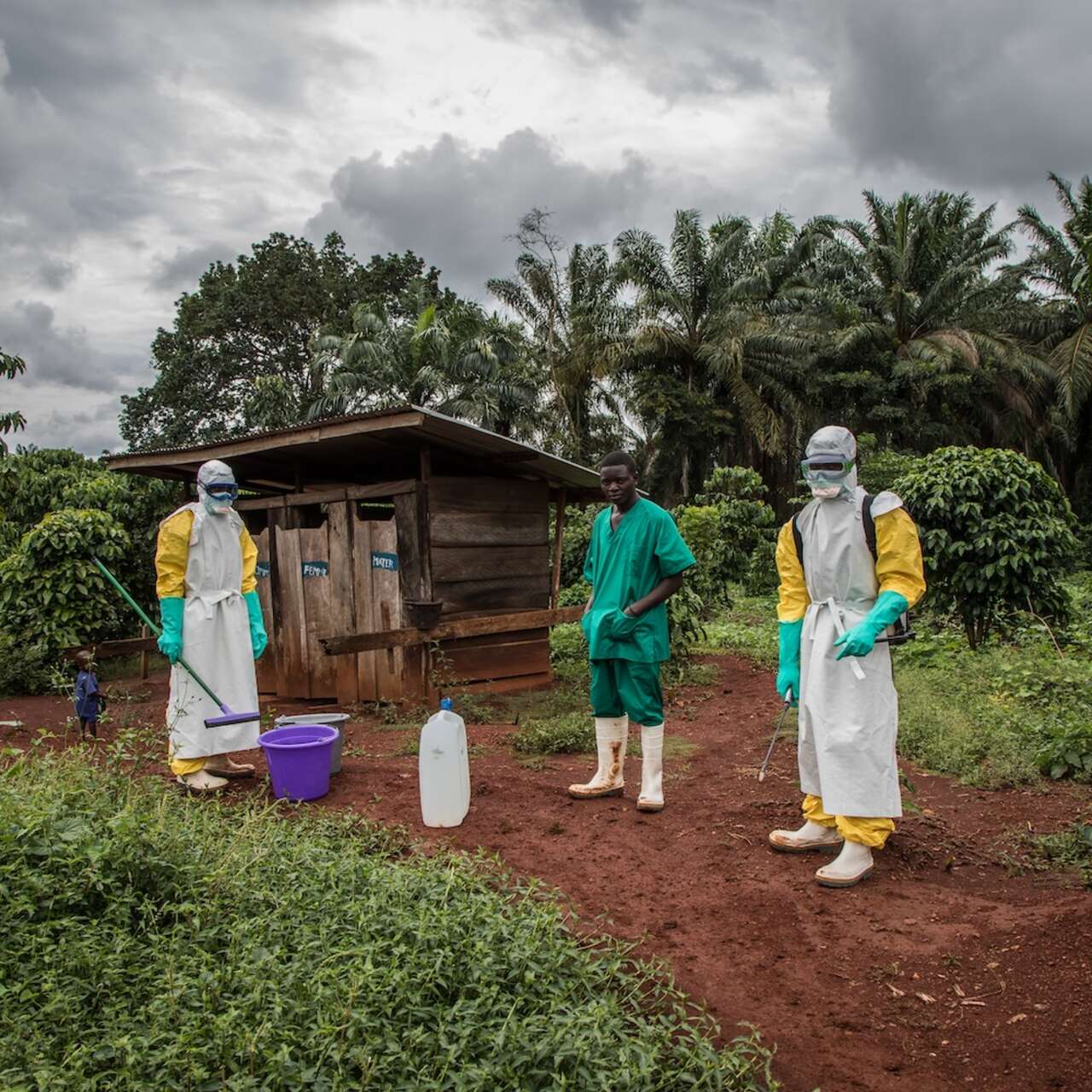
WHY THIS STRAIN IS SO HARD TO FIGHT
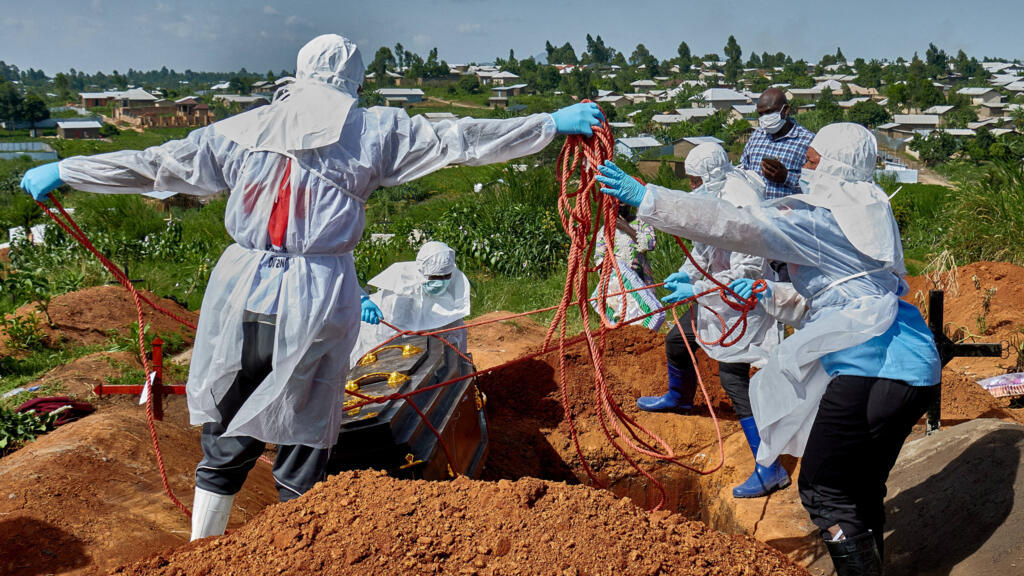
Beyond the vaccine gap, Bundibugyo virus disease presents its own distinct challenges for health responders. According to MSF's own analysis of why this outbreak has proven so different, the absence of validated rapid diagnostic tools tailored specifically to this species, combined with the region's ongoing armed conflict and fragile health infrastructure, has made both detection and containment dramatically harder than in past outbreaks. Ituri province, where the bulk of the outbreak is concentrated, has for years been affected by intercommunal violence and displacement, which complicates everything from contact tracing to safe burial practices — both essential tools in stopping Ebola's spread from person to person.
Health workers are also having to rely on supportive care — fluids, oxygen, treatment of secondary infections, and management of symptoms — rather than the targeted monoclonal antibody treatments that dramatically improved survival rates during the Zaire ebolavirus outbreaks of the past decade. That gap alone likely explains part of why the case fatality rate in this outbreak has remained so devastatingly high, with deaths tracking at roughly 39% of confirmed cases based on the latest DRC figures.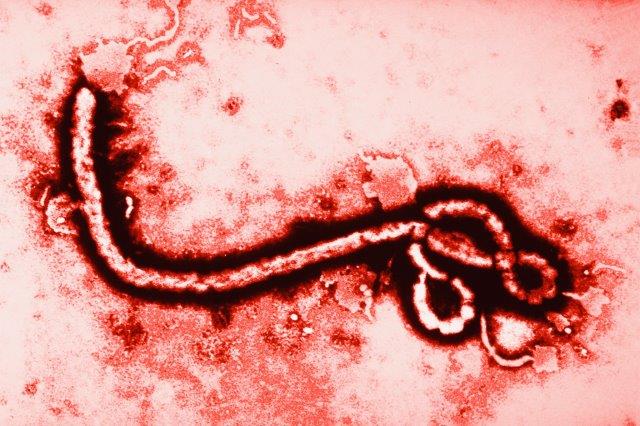
WHAT EXPERTS ARE WATCHING NEXT
Vaccine developers, including teams that worked on Ervebo, are reportedly working to test candidate vaccines against the Bundibugyo strain, though nothing has reached approval or even late-stage trial status. In the meantime, the World Health Organization continues to classify this as a Disease Outbreak News event requiring close monitoring, and has been coordinating with DRC's Ministry of Health, Uganda's health authorities, and international partners including the CDC and MSF on surveillance, treatment center staffing, and cross-border coordination.
For global health watchers, the outbreak is also a case study in a scenario public health experts have long warned about: what happens when an outbreak strikes using a viral strain that falls outside the narrow band of pathogens the world has actually bothered to develop vaccines for. Zaire ebolavirus got a vaccine because it caused the deadliest, most visible outbreaks. Bundibugyo virus, rarer and previously confined to smaller flare-ups, never received the same investment — until now, when it's causing the third-largest Ebola outbreak in recorded history.
WHAT THIS MEANS FOR YOU
For the average reader in the United States or Europe, the immediate personal risk remains very low. Ebola does not spread through the air; it requires direct contact with the bodily fluids of a symptomatic or deceased infected person, which is why the handful of medically evacuated cases in Germany and France have not triggered wider transmission. Standard travel advisories currently recommend that non-essential travelers avoid affected areas of DRC and Uganda, and anyone who has recently traveled to or worked in Ituri, North Kivu, South Kivu, or Tshopo provinces and develops fever, fatigue, or unexplained bleeding should seek medical attention immediately and disclose their travel history.
The bigger takeaway is a sobering one about how prepared the world actually is for the pathogens it hasn't prioritized. This outbreak is a reminder that the global vaccine and treatment stockpile built after West Africa's 2014 catastrophe was built for one strain of a six-strain virus family — and that gaps like this one can turn a containable regional outbreak into a historic one.
CONCLUSION
Two months since the World Health Organization first sounded the alarm, the Bundibugyo Ebola outbreak shows the outlines of two very different stories happening at once: a hopeful one in Uganda, where a coordinated response and the discharge of the last patient offers proof that even a vaccine-less Ebola strain can be contained with enough resources and speed; and a far darker one in DRC's Ituri province, where cases and deaths continue to climb in a region already battered by conflict, and where aid workers say they are still playing catch-up against a virus that is, for now, simply faster than the world's response to it.
As Newport of MSF put it bluntly this month, every day of delay in scaling up the response costs more lives — and until a vaccine candidate for Bundibugyo virus clears trials, containment, contact tracing, and speed remain the only tools the world has left to fight it with.



