Written By | Peter Luzinda
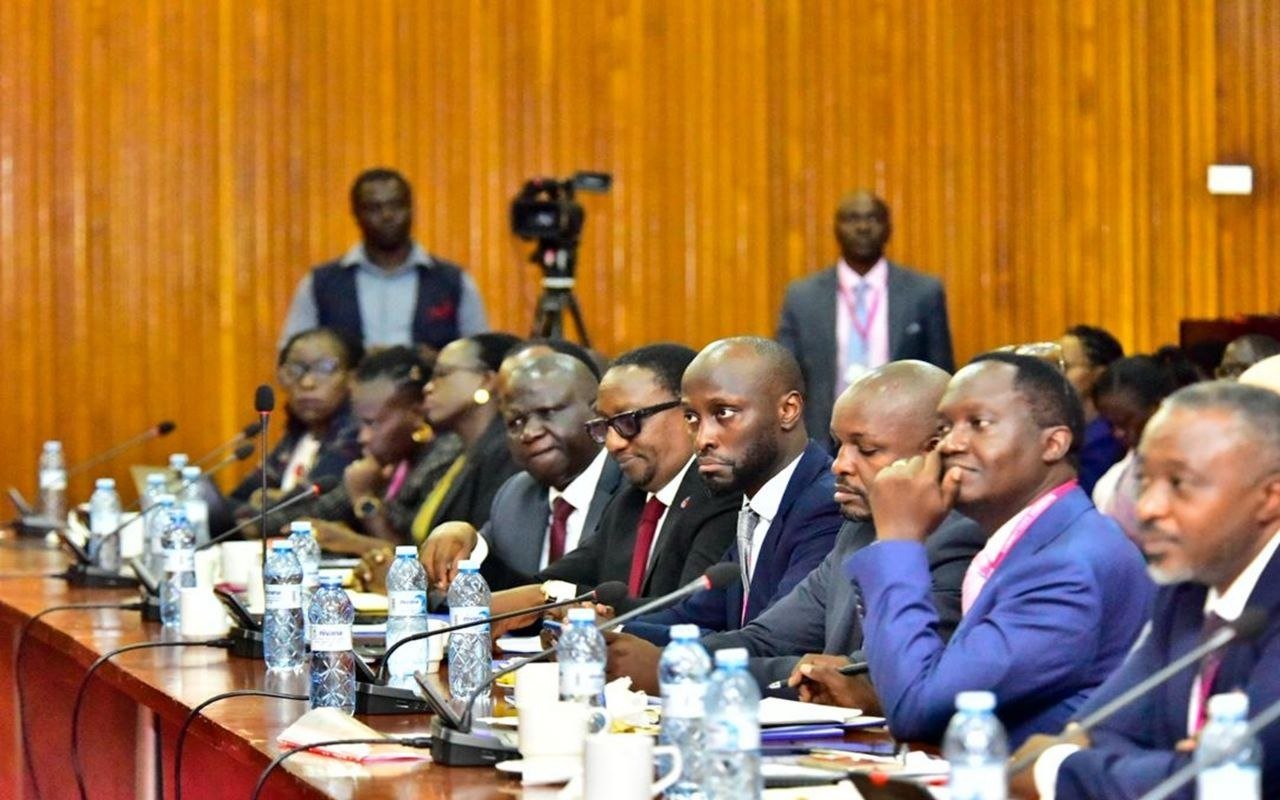
Parliament’s Committee on Finance, Planning and Economic Development
Parliament
The Uganda Manufacturers Association (UMA) has called on the government to abolish the mandatory 30% deposit required before taxpayers can challenge a tax assessment at the Tax Appeals Tribunal, warning that the rule is crippling businesses and denying them access to justice.
The appeal was made by the association’s tax policy consultant, John Jet Tusabe, during presentations to Parliament’s Committee on Finance, Planning and Economic Development on the tax bills linked to the 2026/27 national budget. 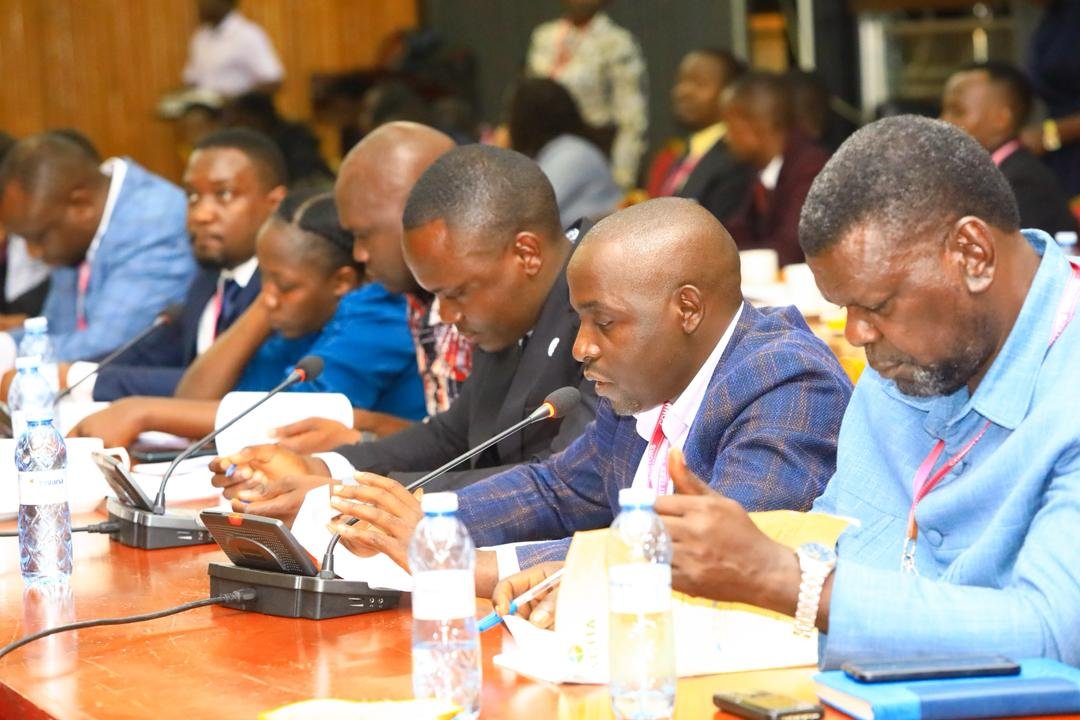
UMA argued that the 30% deposit is demanded regardless of whether the tax assessment contains obvious errors, involves genuine interpretation disputes, or exceeds the taxpayer’s ability to pay. The association said the requirement has intensified enforcement pressure on companies and left many unable to lodge appeals because they cannot raise the upfront cash.
“The charge is regardless of whether the appeal is an issue of interpretation, or whether the assessment has clear errors that have to be corrected, or regardless of whether the taxpayer has capacity to pay the 30 per cent,” Tusabe told the committee.
The association further revealed plans to petition both the Speaker of Parliament and the President, supported by research, to demonstrate how the rule is harming local industries. UMA warned that the deposit requirement effectively locks taxpayers out of the Tax Appeals Tribunal, forcing businesses to absorb disputed tax liabilities before their cases are even heard.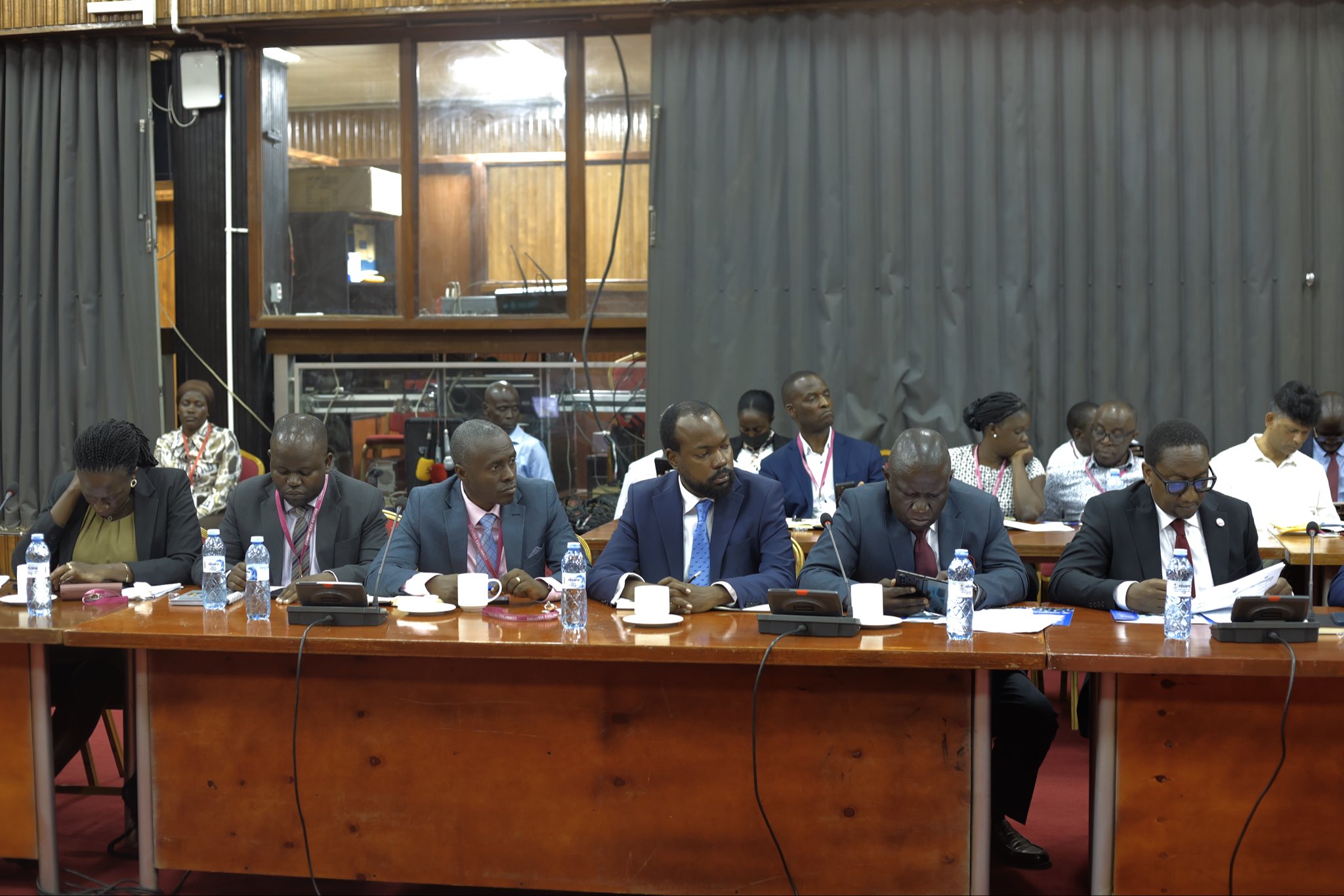
The manufacturers highlighted real cases where taxpayers were denied a hearing for failing to pay the 30 per cent, even when the disputed assessment was later found to be inaccurate. They expressed particular concern over extremely large assessments that trigger massive upfront demands before the underlying dispute is resolved.
Tororo North MP Geoffrey Ekanya acknowledged the need for consensus on the matter. He noted that the 30 per cent rule was originally introduced to deter frivolous or weak cases from clogging the Tribunal, but urged stakeholders to propose practical alternatives, such as insurance bonds or studying how other countries manage disputed tax assessments.
Geoffrey Ekanya
Kachumbala County MP Patrick Isiagi supported UMA’s position, arguing that disputed corporation tax should not automatically require an upfront cash payment. “Profitability on paper does not always mean a company has cash on hand,” he said, warning that the rule discourages investment and punishes genuine business growth.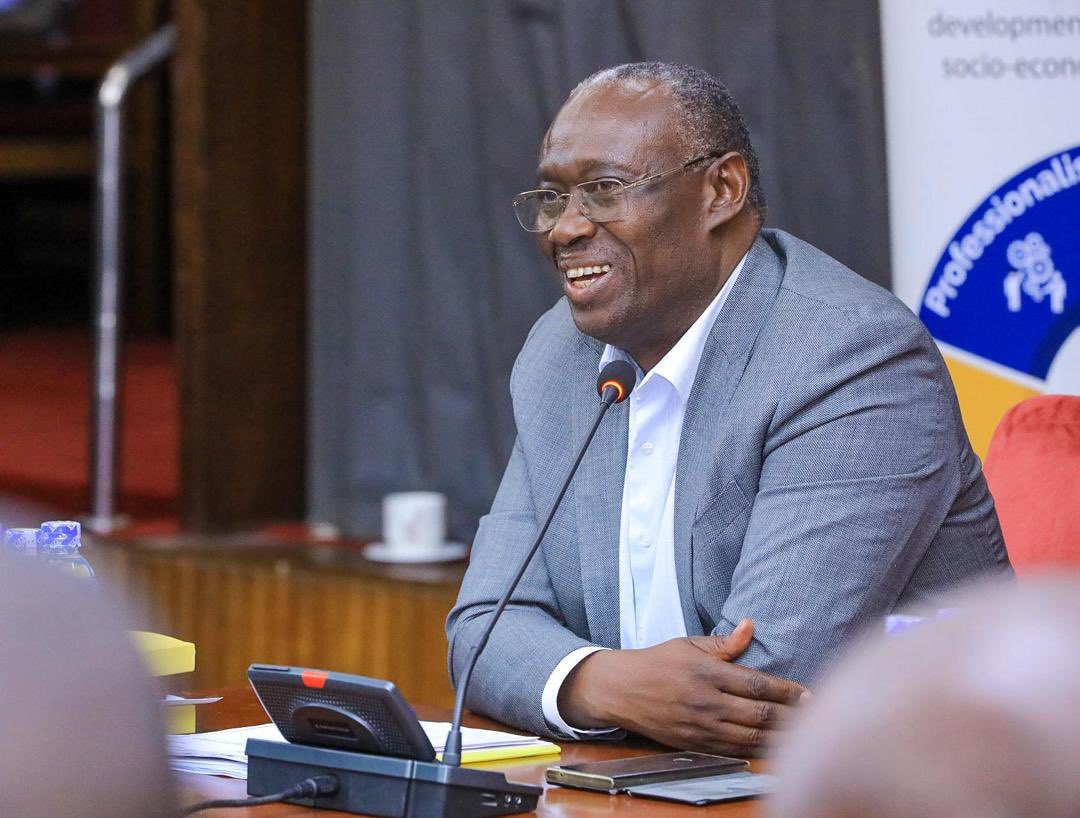
Patrick Isiagi
Finance Committee Vice Chairperson Moses Aleper called for more detailed discussions on the issue. He linked the deposit requirement to the broader problem of capital being tied up in prolonged disputes, noting reports that over Shs 8 trillion is already locked up in court cases involving businesses. Aleper cautioned that forcing more money into such disputes could further strain investment and economic activity.
Moses Alepar
The 30% deposit requirement is provided under Section 15(1) of the Tax Appeals Tribunal Act. While it aims to ensure only serious objections proceed, critics argue it undermines the constitutional right to a fair hearing, especially in cases involving genuine disputes with the Uganda Revenue Authority (URA).
The Finance Committee is expected to consider these submissions as it finalises recommendations on the tax amendment bills for the 2026/27 financial year.
Torch Media Africa



