Written By | International News Agencies
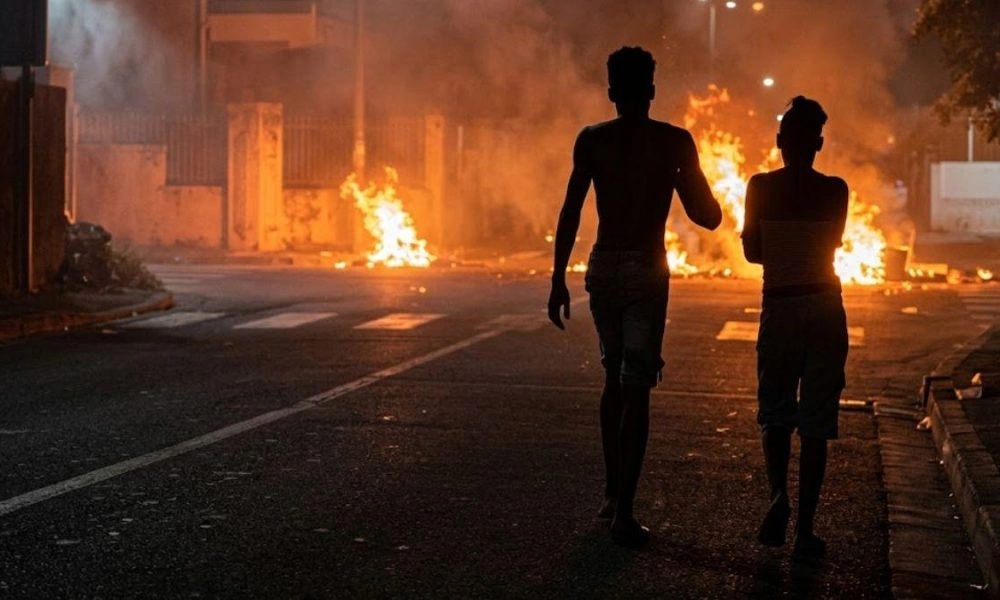
Protests began roughly a week before the curfew lifted, driven by water shortages and the cost of living.
PORT LOUIS
Mauritius, an Indian Ocean island long held up as one of Africa's most stable and prosperous democracies, is counting the cost of its most serious civil unrest in more than two decades. The government of Prime Minister Navin Ramgoolam lifted its nationwide curfew on Oct. 19, schools have reopened and roads are clear. But more than 180 people have been arrested, a police officer is in custody for shooting a woman, ministers are weighing tougher treatment of juvenile offenders, and the underlying grievances that brought people into the streets — water shortages and the rising cost of living — have not been solved. Analysts warn the calm may be fragile.
What happened
Protests began roughly a week before the curfew lifted, driven by water shortages and the cost of living. The Namibian, republishing BBC reporting, said the unrest turned violent after police shot and wounded a woman at a roadblock. Africanews quoted witnesses as saying the officer fired without warning, and reported that local media said a team of Indian surgeons sent to Mauritius had removed the bullet; the woman remained in hospital. Al Jazeera reported that she was shot in the neck and seriously wounded. Accounts differ on the day of the shooting; Al Jazeera dates it to Saturday, Oct. 17, while earlier reports from Oct. 14 and 15 already described the shooting as having taken place. The officer has been arrested and brought before the courts, and the BBC reported he was remanded in custody. No deaths from the unrest have been reported.
Protesters burned tires to block roads, and public property was damaged. The government's statement after a special cabinet meeting listed looting, arson and damage to police stations, traffic lights and CCTV cameras. Africanews reported looting at two supermarkets. Seven police officers were wounded. Schools and public transport were disrupted, and foreign embassies issued cautions to their nationals.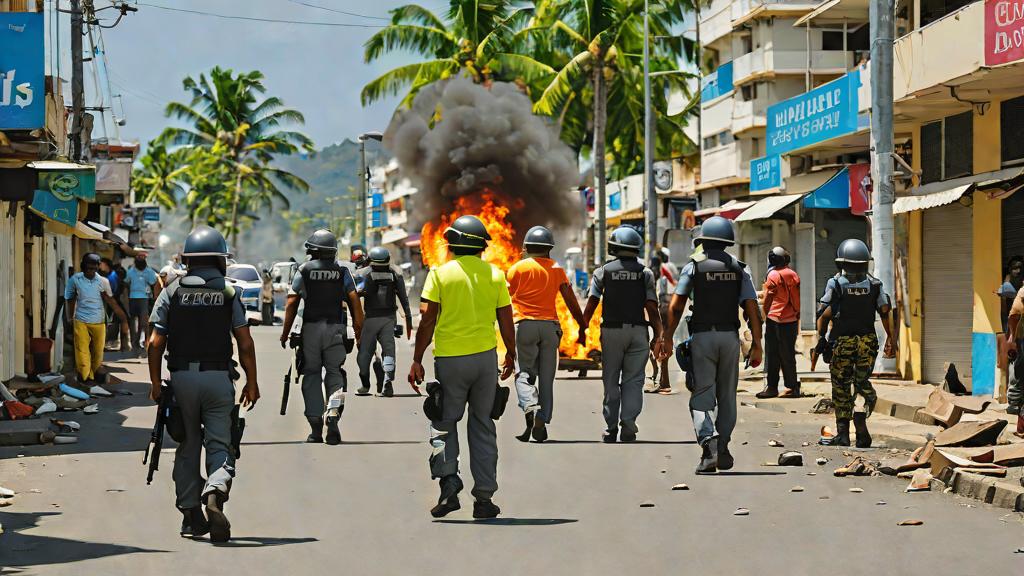
The government's response
Ramgoolam addressed the nation in a televised speech on the evening of Tuesday, Oct. 13, imposing an overnight curfew. "No one has the right to take justice into their own hands or take the law into their own hands," he said, according to AFP. Africanews quoted him as saying: "My message is clear and uncompromising," and promising that those behind the unrest would face "very heavy consequences."
He also blamed "drug traffickers who add fuel to the fire." Police sources told AFP that traffickers pay drug users to attack police stations. That claim comes from anonymous police sources and has not been independently verified in the reporting reviewed.
After a special cabinet meeting on Wednesday, Oct. 14, the government extended the curfew until Friday morning. It covered 10 administrative regions, mainly on the outskirts of towns, or roughly a third of the island, AFP reported. The education ministry suspended classes at all nurseries, primary schools and secondary schools on Thursday and Friday. At the outset, the government provided extra water to households, the BBC reported.
The security measures went beyond curfews. Detainees could face prosecution under the Prevention of Terrorism Act. Because many minors were involved — 16 of the first 94 people arrested were minors — the government said it would consider lowering the age for detention and prosecution of minors from 14 to 12. Cyber-crime police are monitoring social media for hate speech and incitement to violence.
By Oct. 14, 94 people had been arrested, including 84 on Tuesday alone. By the time the curfew lifted, Al Jazeera put the total at at least 188, on charges including looting, arson, damage to police stations and possession of explosives. The last curfew ended at 4:30 a.m. on Monday, Oct. 19, and was not extended. Ramgoolam's office said it would not be renewed, and government sources described the move as reflecting a "favourable evolution of the situation." The Mauritius Tours operator told Al Jazeera that roads are open, schools have reopened and daily life has resumed. Britain updated its travel advice, urging tourists to avoid demonstrations and large gatherings.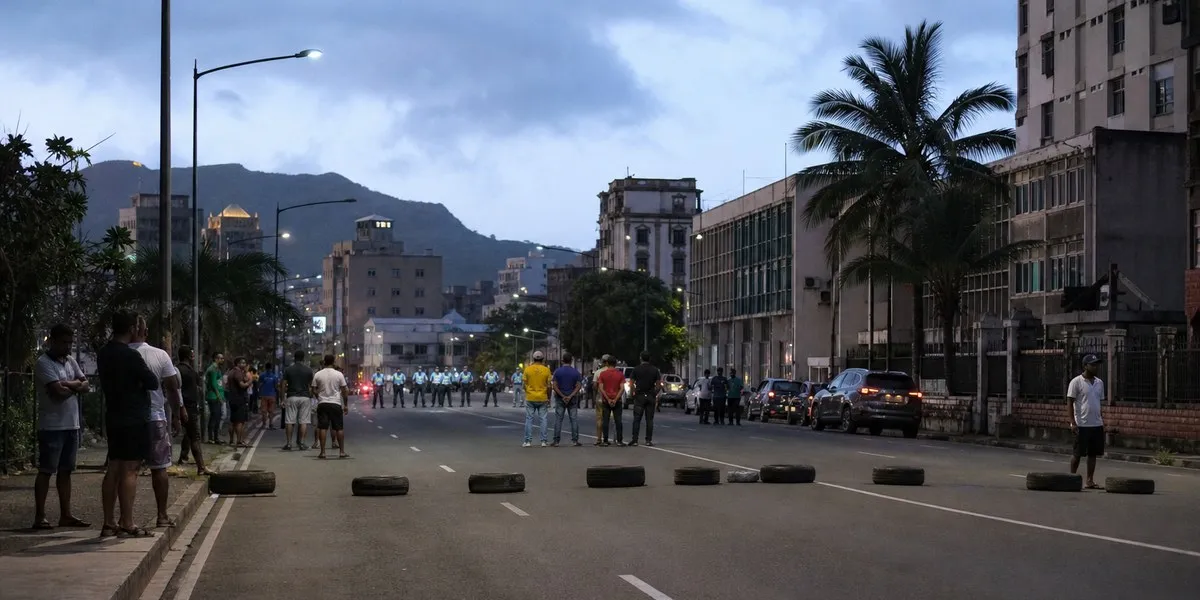
Why this is unusual
Mauritius gained independence from the United Kingdom in 1968 and moved its economy from sugar to tourism, textiles and financial services, AFP noted. It briefly attained high-income status in 2020 before the pandemic hit hard. It is regularly described as a model of peaceful, competitive democracy, and AFP called the protests "rare" in that context. Al Jazeera and Signal Risk's Zoë McCathie both point to 1999 as the previous benchmark: that year, a well-known singer died in police custody and riots followed. McCathie told the BBC that protests of this scale had not been seen since around 1999.
That makes the symbolism of a police shooting as the trigger notable. The 1999 unrest and this week's both turned on police conduct, and in both the underlying anger was broader than the single incident.
The structural problem: water and prices
The proximate cause of the protests was water. McCathie said that shortages are expected to continue until the rainy season in December, which means that at least some of the pressure that fueled the protests will persist for another two months. The government's emergency deliveries of water to households were a stopgap; the reporting reviewed here does not describe a longer-term fix.
The government has, in effect, been forced to manage a security response and a service-delivery crisis at the same time. Its credibility on the second front will determine how durable the calm on the first proves.
Political stakes
Ramgoolam leads the government, with Paul Berenger as deputy prime minister; Dharam Gokhool is president. The reporting reviewed does not include reactions from opposition parties to the unrest, and none are attributed here.
Three political tensions are visible. The first is between order and rights. Using terrorism legislation against rioters, proposing to lower the age of prosecution to 12 and monitoring social media for incitement all reflect a government determined to restore control quickly.
The second is accountability. The arrest and prosecution of the officer who shot the woman is the government's most important signal that police are not above the law. How the case proceeds — and whether the circumstances, which the BBC described as unclear, are established transparently — will be watched closely. If the public perceives that protesters are being punished harshly while police conduct is excused, the unrest could return.
The third is the credibility of the explanation. The claim that drug traffickers are financing attacks on police stations may be accurate, and the police sources' account is specific. But it also positions the unrest as criminal rather than social. If the water problem persists, that framing will be tested.
Analysis: a calm that is conditional
Several factors favor stability. The curfew was lifted, tourism operators report normal conditions and the government acted quickly. The unrest did not produce fatalities, which limits the risk of a cycle of retaliation of the kind that follows a death in custody.
Several others argue for caution. McCathie said the government had curtailed the worst of the unrest but that protests could return in some areas. Water shortages continue to December. The arrest of hundreds, including minors, creates its own grievances in the communities concerned, especially if prosecutions are seen as heavy-handed. And the island's economic model depends on its reputation for stability: the BBC report said the crisis threatens public confidence, disrupts economic activity and tests the government's ability to fix essential-service failures. The UK travel advisory is a small example of how quickly reputational costs can accrue for a tourism-reliant economy.
What to watch



