Written By | Peter Luzinda
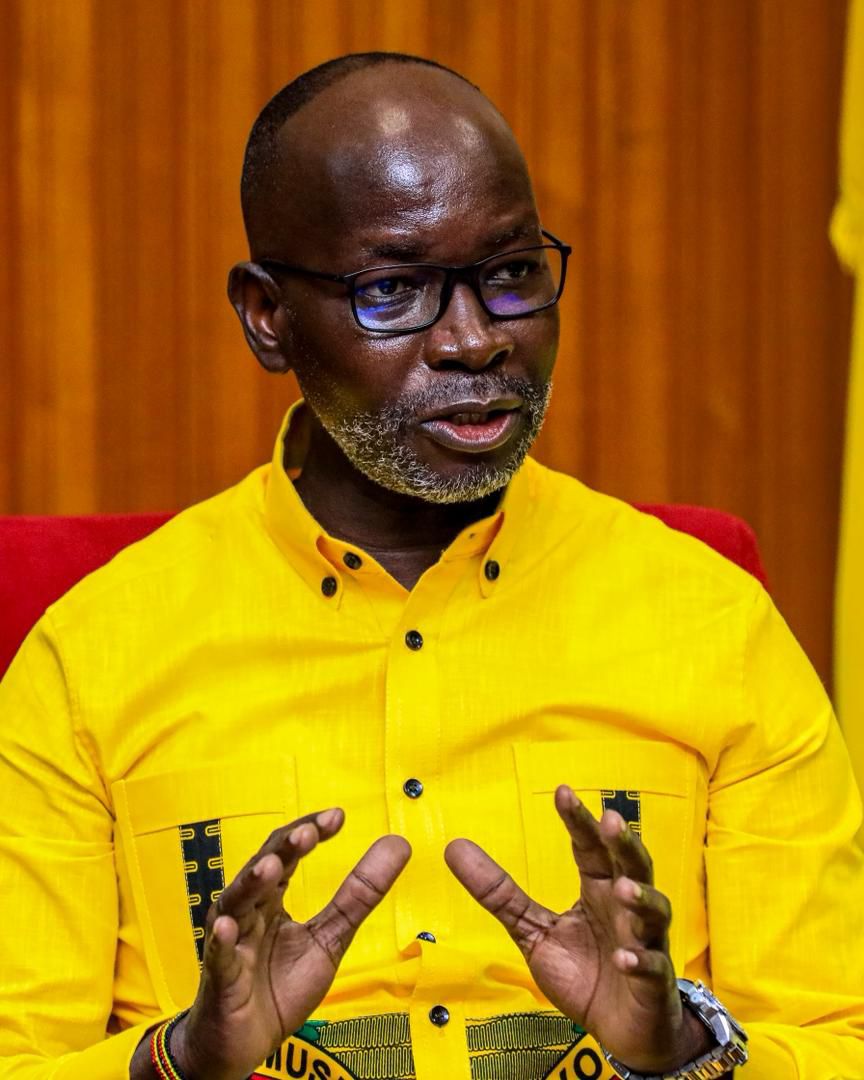
Government Chief Whip Denis Hamson Obua emphasised the necessity of the proposed law
Kampala
Parliament is facing renewed scrutiny following the introduction of the Protection of Sovereignty Bill, 2025, legislation aimed at strengthening Uganda’s control over foreign influence and asserting national autonomy.
The bill, backed by members of the ruling National Resistance Movement (NRM) Parliamentary Caucus, seeks to ensure that foreign resources and activities within Uganda align with national interests. Its provisions would require organisations to disclose foreign funding within 14 days, grant the Minister of Internal Affairs expanded oversight powers, and establish mechanisms to prevent actions perceived as undermining national sovereignty.
Government Chief Whip Denis Hamson Obua emphasised the necessity of the proposed law.
“If we are to protect the integrity of our institutions and the sovereignty of our people, we must build legal safeguards that help us assert control over how foreign resources interact with our national systems,” Obua said.
According to a story published by New Vision, dated March 4, 2026, 16-year-old activist Martin Luther Nyanzi called for legislation to establish a legal framework for regulating and supporting community-based organisations (CBOs) and local non-governmental organisations (NGOs).
Observers say the Protection of Sovereignty Bill closely resembles earlier NGO funding measures, citing similarities in objectives. Both frameworks target NGOs, require disclosure of foreign funding within 14 days, and grant the Minister of Internal Affairs significant regulatory authority.
“It appears the NGO funding approach has simply been modified. The wording has changed, but the core objectives remain—monitoring foreign funding, regulating NGOs, and expanding ministerial powers,” a civil society analyst noted.
Opposition figures and rights advocates have raised concerns that the legislation could restrict civic space and limit the independence of NGOs operating in sectors such as health, education, and community development.
However, supporters argue that enhanced oversight is necessary to ensure foreign funding aligns with Uganda’s national priorities, and that increased transparency in civil society operations is essential to safeguarding sovereignty.
As the Protection of Sovereignty Bill progresses through committee stages and parliamentary debate, its eventual outcome is expected to shape how foreign resources and civil society organisations operate in Uganda in the years ahead.
Torch Media Africa



