Written By |
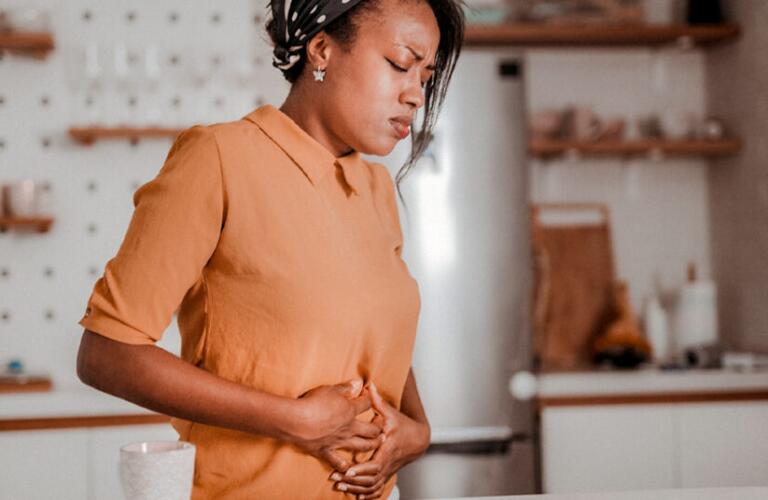
Fibroids are most commonly diagnosed in women aged 31 to 35
By Atukunda Olivia
When 34-year-old Brenda Nakabugo began experiencing unusually heavy menstrual bleeding and persistent lower abdominal pain, she initially dismissed it as normal hormonal changes. It wasn’t until she fainted at work that she was rushed to the hospital, where doctors diagnosed her with multiple uterine fibroids — noncancerous growths in the uterus that affect up to 80% of black women during their reproductive years.
Fibroids, also called leiomyomas or myomas, are made of muscle and fibrous tissue that grow in or on the uterus. While often benign, they can cause distressing symptoms and serious complications if left untreated. According to Dr. Edward Ssali Tamale, Director at Women’s Hospital International and Fertility Centre, fibroids are most commonly diagnosed in women aged 31 to 35, but cases have been reported in girls as young as 14.
“They typically appear during the childbearing years,” Dr. Ssali said during an interview on UBC’s Health Chat program. “Some fibroids grow large enough to distort the abdomen, causing a woman to appear pregnant.”
Despite being widespread, especially among Black women, uterine fibroids often go undiagnosed due to their silent nature. Many women have no symptoms and discover them incidentally during routine gynecological exams or pregnancy scans.
According to Dr. Lydia Birungi, a gynecologist at Mulago National Referral Hospital, fibroid symptoms vary based on size, number, and location. Common indicators include:

Studies show that fibroids are significantly more prevalent among women of African descent. Dr. Ssali explains that genetic predisposition is a major factor. “If your mother or sisters had fibroids, your chances of developing them increase,” he said. Other risk factors include: Early onset of menstruation, Obesity or a higher body mass index (BMI), Never having given birth, Late onset of menopause. Furthermore, Black women tend to develop fibroids at younger ages and experience larger and more numerous tumors compared to other racial groups. They are also more likely to experience severe symptoms and require surgical interventions.
Fibroids are categorized by where they develop within the uterus:
Each type can affect reproductive health and quality of life differently.
Although many women with fibroids have normal pregnancies, certain types — especially submucosal fibroids — may interfere with conception or increase the risk of miscarriage.
Possible pregnancy complications include:
While fibroids are rarely life-threatening, they can lead to serious health issues, such as anemia due to heavy blood loss. Anemia can cause chronic fatigue, dizziness, and shortness of breath. In severe cases, blood transfusions may be necessary.
Although the exact cause of fibroids is unknown, a healthy lifestyle can help reduce the risk. Medical experts recommend: Maintaining a healthy weight, Engaging in regular physical activity, Eating a balanced diet rich in fruits and vegetables, Managing stress levels.
Some research suggests that hormonal contraceptives, like birth control pills and progestin-releasing intrauterine devices (IUDs), may lower the risk of developing fibroids, though more studies are needed.
You should consult a gynecologist if you experience: Persistent pelvic pain, Menstrual bleeding that interferes with daily life, Bleeding between periods, Difficulty urinating, Unexplained fatigue or signs of anemia.
Early diagnosis can lead to better treatment outcomes, whether through medication, non-invasive procedures, or surgery such as myomectomy or hysterectomy, depending on age, fertility desires, and severity.
For Brenda Nakabugo, undergoing a laparoscopic myomectomy changed her life.
“I was scared at first, but knowing what was wrong brought relief,” she said. “Now, I tell other women not to ignore symptoms — our health is too important.”
Torch Media Africa



