Written By | Fashion and Design Desk
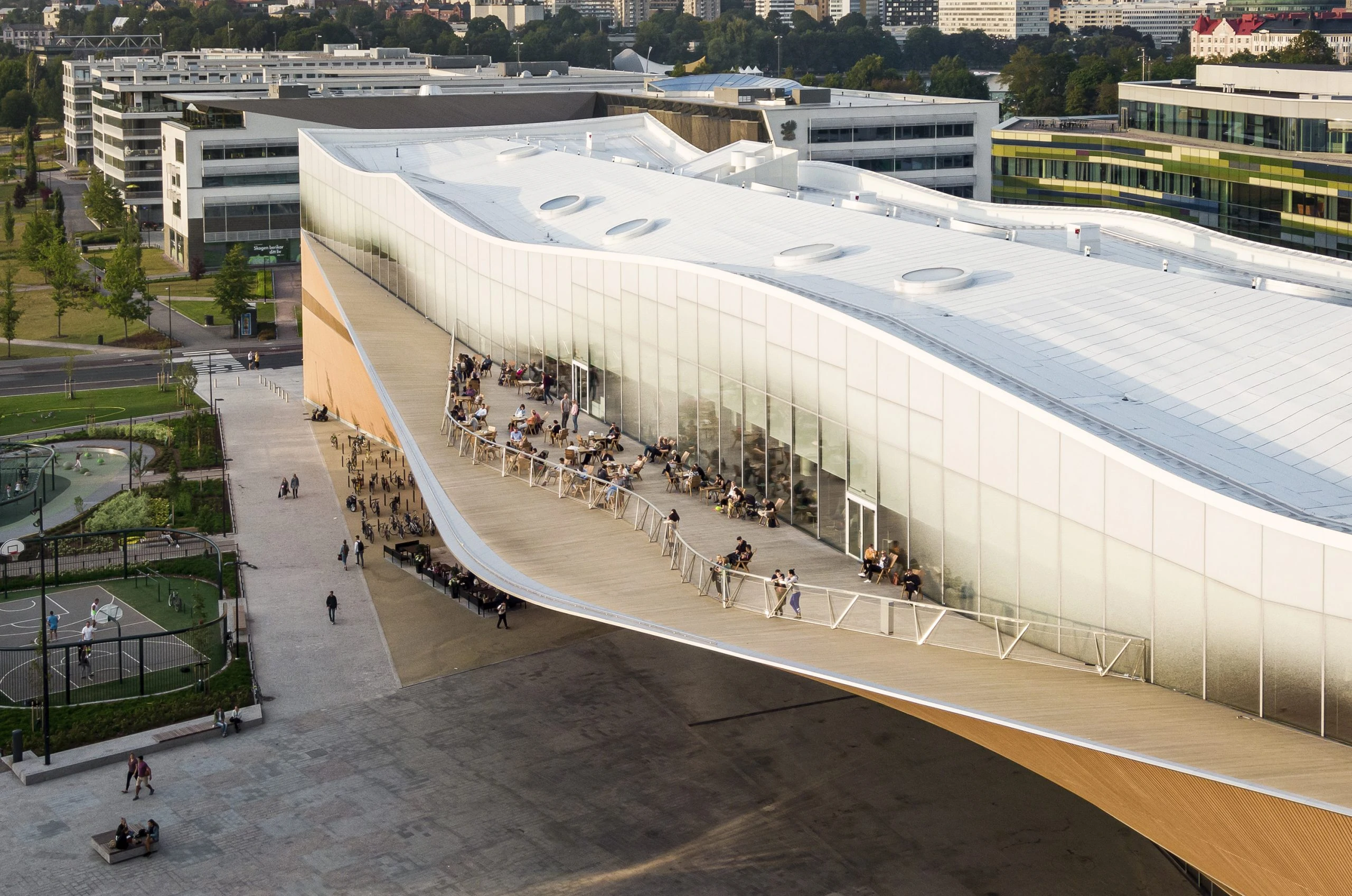
Helsinki Design Week opens its 21st edition today under the theme 'The Oncoming Other,' kicking off a two-year push to remake the Finnish capital's city center through design.
HELSINKI
Two Decades, One Bigger Ambition
Helsinki Design Week opens today, August 28, and runs through September 6, marking the festival's 21st edition and, organizers say, its most ambitious yet. This year's theme, "The Oncoming Other," frames the entire ten-day program around a single question: what happens in the moment two strangers, two ideas, or two ways of living meet in shared public space? It's a deliberately open-ended premise, one organizers have used to justify programming that spans furniture and product design, architecture, fashion, food and civic planning under a single umbrella.
The festival kicks off today with Open Studios, a rare chance for the public to walk directly into the working spaces of Helsinki's designers, architects and artists — a format that repeats on September 4. It's followed this weekend by the festival's centerpiece consumer event, the Design Market, running August 29–30 at Kaapelitehdas' Merikaapelihalli, a converted cable factory that has become one of the city's signature design venues. This year's market introduces a new addition, the Workshop Market, where attendees can learn hands-on skills directly from the makers themselves rather than simply browsing finished goods.
A City as the Real Exhibit
What sets the 2026 edition apart from previous years isn't just its theme — it's its institutional backing. Helsinki Design Week has launched a formal two-year collaboration with the City of Helsinki aimed at revitalizing the city center, using the festival as the opening move in a longer civic project rather than a standalone cultural event. The initiative reframes downtown Helsinki itself as a stage: public squares, transit corridors and underused storefronts are being folded into the festival program as sites for temporary installations and encounters, rather than treating the festival as something that happens inside gallery walls and convention halls.
That civic ambition puts Helsinki in company with a small but growing group of cities — Frankfurt, this year's World Design Capital, among them — that have started treating design weeks less as trade showcases and more as low-risk pilot programs for permanent urban change. The difference in Helsinki's approach is scale and duration: rather than a single flagship year, the city has committed to a two-year runway, suggesting organizers want to test ideas across multiple design weeks before deciding what becomes permanent.
City officials have framed the partnership as a response to a familiar post-pandemic problem: downtown foot traffic that never fully recovered as remote work reshaped commuting patterns, leaving retail corridors and public squares underused on weekdays. Rather than pursuing a single large capital project, Helsinki's approach spreads smaller, design-led interventions — temporary seating, pop-up installations, reprogrammed transit spaces — across the festival calendar, testing which ideas generate enough public enthusiasm to justify permanent investment.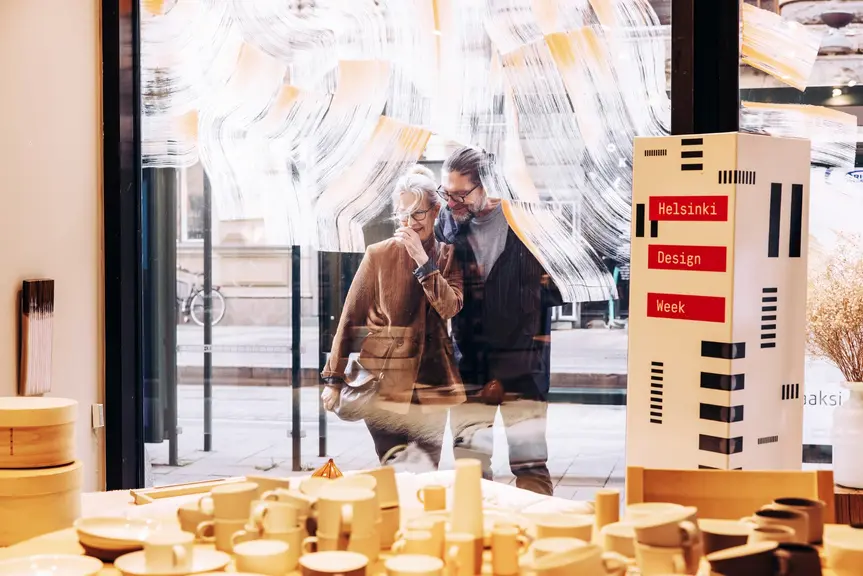
What's Actually on Display
Beyond the civic framing, the week's programming leans heavily on Finland's design heritage without being trapped by it. Alongside contemporary furniture, homeware and fashion from Finnish and wider Nordic designers at the Design Market, the festival's broader city-wide program includes self-guided routes tracing the legacy of Alvar Aalto, the architect whose mid-century vision of humane, function-first design still defines how Helsinki thinks about itself. Organizers have paired that heritage programming with newer additions exploring food design and hospitality, part of a broader push — echoed elsewhere on this year's circuit, including at Zagreb Design Week's expanded fortnight-long program — to treat design weeks as multi-sensory city festivals rather than narrowly focused trade events.
Ticket sales and event registration opened to the public on August 19, and organizers have structured the week around a mix of free public programming — the Open Studios days chief among them — and ticketed talks and workshops, a format designed to maximize footfall from casual visitors while still funding the festival's more specialized professional content.
The theme also carries a quieter, more topical undertone. "The Oncoming Other" arrives at a moment when European cities are grappling openly with questions of migration, integration and who gets to shape shared public space — questions Helsinki Design Week's programmers have chosen not to shy away from. Several of the week's talks and installations are expected to engage directly with how design can either welcome or exclude, a more overtly political framing than many design weeks are willing to take on, and one that distinguishes Helsinki's approach from the more product-and-commerce-driven focus of larger fairs like Milan's Salone del Mobile.
"The city becomes a stage for encounters."
— Helsinki Design Week 2026, festival theme statement
What This Means for You
For design travelers, this is one of the more accessible major festivals on the European circuit: much of the programming is free or low-cost, concentrated in a walkable city center, and doesn't require the trade credentials that gate-keep events like Salone del Mobile. If you're planning a trip, the Design Market weekend (August 29–30) is the single best entry point for casual visitors.
More broadly, Helsinki's two-year civic partnership is worth watching as a template. As cities globally look for low-cost ways to reactivate struggling downtowns post-pandemic, design festivals doubling as urban planning pilot programs could become a much more common model than the trade-fair format that's dominated the industry for decades.
For working designers, the Open Studios format is worth flagging as a rare piece of professional access: unlike trade fairs that showcase finished, polished work, walking into an active studio mid-project offers a genuinely useful look at process, tooling and workflow — the kind of detail that rarely survives the jump from workshop to showroom floor.
The Bottom Line
Helsinki has spent 21 years building a design week; what it's attempting now is something more ambitious — using that week as the opening chapter of a longer story about what the city itself could become. Whether "The Oncoming Other" produces lasting change to Helsinki's streets or simply a memorable ten days will take until 2028 to fully answer. For now, the doors are open.



