Written By | Joshua Nahamya
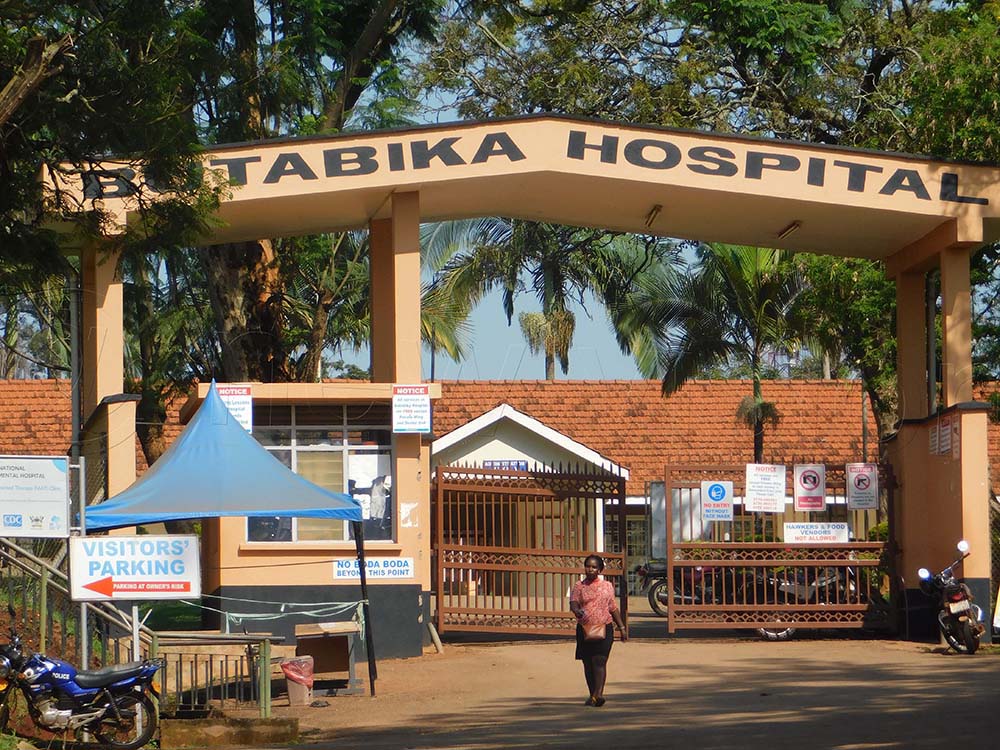
Butabika has seen mental health cases rise by 71% in four years
PARLIAMENT
Mental health cases in Uganda have risen by 71 percent over the past four years, with children and adolescents accounting for nearly a quarter of the increase, the Executive Director of Butabika National Referral Hospital, Dr. Juliet Nakku, has revealed.
Dr. Nakku disclosed this while appearing before Parliament’s Public Accounts Committee (PAC), where she led the hospital’s top management to respond to queries raised in the December 2025 Auditor General’s report.
“According to the 2025 report, mental health cases countrywide have gone up by about 70 percent since the 2021/22 financial year. The proportion of young people—children and adolescents—with mental health problems is almost a quarter, at 24 percent. These numbers are huge,” she said.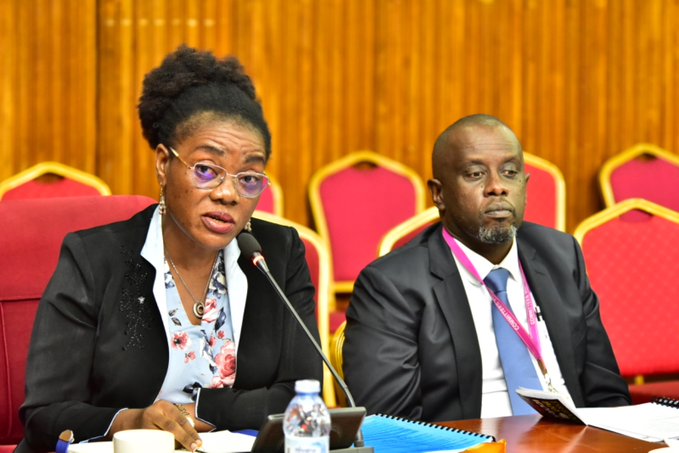
Dr Juliet Nakku [File: Parliament]
The revelation prompted concern among legislators, with Asuman Basalirwa (Bugiri Municipality) questioning the underlying causes of the surge, particularly among children.
“You are talking about a 70 percent increase in cases. We need to understand the causes, especially among young people and children, so that we can begin planning how to manage and address the situation,” Basalirwa said.
He added that there is an urgent need to guide parents and communities on how to respond to the growing mental health burden.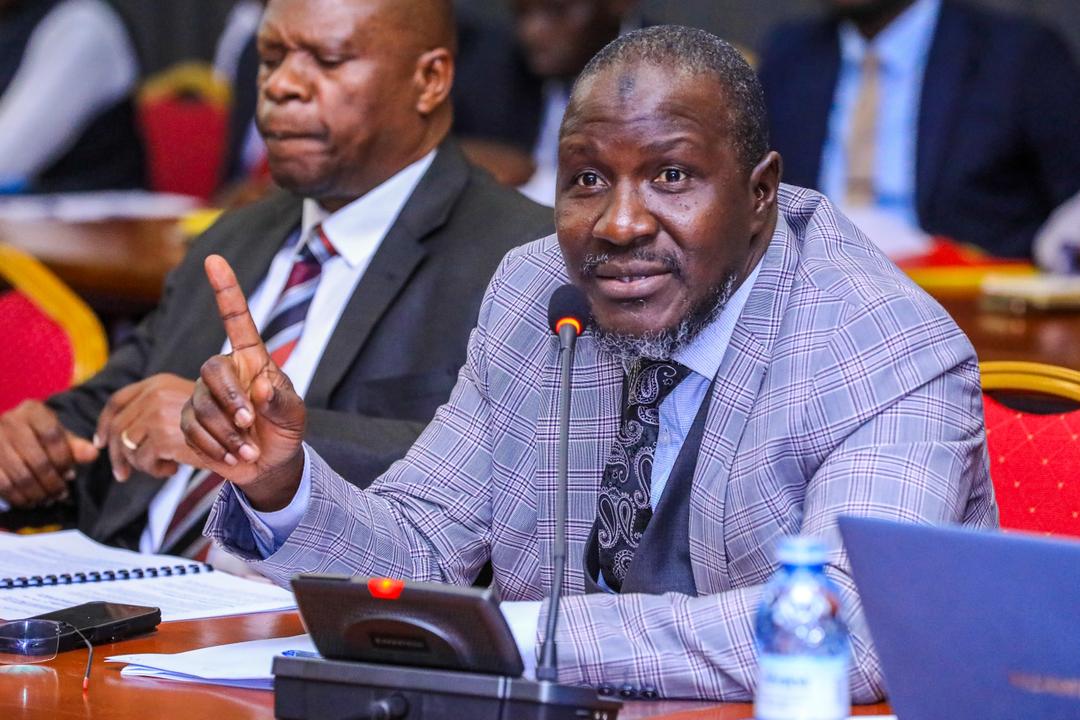
Asuman Basalilwa
Similar concerns were raised by PAC Vice Chairperson Gorreth Namugga, who described the situation as alarming and called for immediate action to address the rising cases among children.
“These escalating levels of mental illness in children—about 22.9 percent—are simply too high. What are the causes, and what should parents do to avert this situation?” Namugga asked.
However, Namugga also raised concerns that the severe understaffing at Butabika Hospital could be exacerbating the mental health crisis, pointing to the heavy workload placed on medical personnel.
“If a doctor who is supposed to attend to 30 patients is instead handling 100, and a nurse meant for 10 patients is handling 50 to 60, don’t you think this is contributing to mental health problems? This is extreme overwork, and it may also create casualties among your staff,” she said.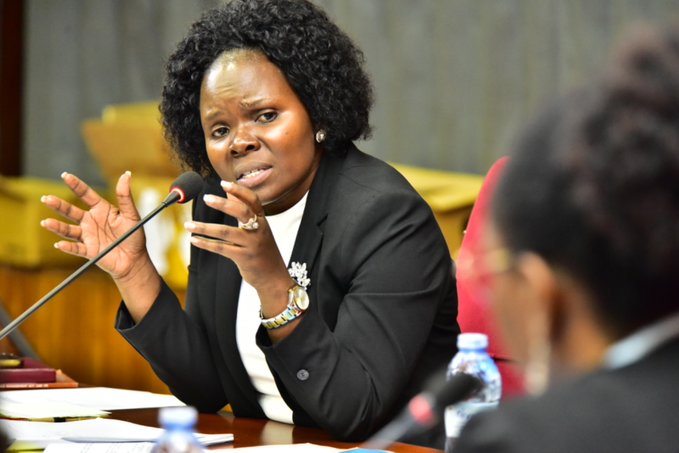
Gorreth Namugga
Her remarks followed Dr. Nakku’s earlier submission highlighting the hospital’s staffing challenges, despite recent improvements. Dr. Nakku noted that although the hospital increased its staff from 533 to 833 over the past two years, the numbers remain insufficient to meet demand.
“The doctor-patient ratio is still very high. Until recently, we had only 10 psychiatrists, but we have since added four more, bringing the total to 14. However, for a patient load of about 1,000, this is a drop in the ocean,” she said.
“Ideally, we should have one doctor attending to at least 30 patients, but currently the ratio is almost 1:100, which is extremely high for psychiatry,” she added.
She further revealed that nurse-to-patient ratios are equally strained.
“We should have at least one nurse for every 10 to 15 patients. Currently, it is one nurse to 50 or even 60 patients, which is far too high given the intensive nature of mental health care,” Dr. Nakku explained.
The hospital is also grappling with severe congestion, with patient numbers far exceeding its official capacity.
“Our official bed capacity is 550, but occupancy has reached up to 230 percent. On average, we have between 1,000 and 1,200 patients admitted, and sometimes as many as 1,400,” she said.
Dr. Nakku noted that the high patient load has put additional strain on infrastructure and resources, necessitating urgent investment in both staffing and facilities.
She also pointed out that although the hospital’s budget for medicines increased from UGX 2 billion to UGX 3.5 billion, it remains insufficient to meet the growing demand.
“That increment is still not enough given the number of patients we handle. We are working closely with the Ministry of Finance, Ministry of Health, and Parliament to secure additional funding,” she said.
In addition, Dr. Nakku highlighted the limited budget for maintenance and development, noting that the high number of patients contributes to rapid wear and tear of hospital facilities.
“We have a very high destruction rate due to the large number of patients, yet the maintenance budget has been small. It has now been slightly increased, and we hope it will continue to grow,” she said.
Lawmakers on the committee called for urgent government intervention to address staffing shortages, infrastructure constraints, and funding gaps, warning that failure to act could further worsen the country’s mental health crisis.
Torch Media Africa