Written By | Peter Luzinda
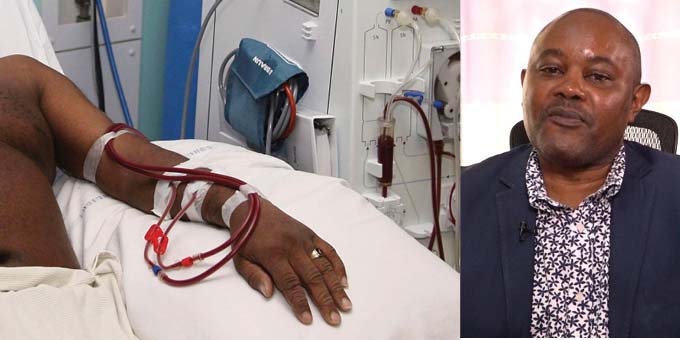
Dr. Kabugo said the growing burden of diabetes is significantly contributing to kidney-related complications, which are already straining the country’s healthcare system.
KAMPALA
The Executive Director of Kiruddu National Referral Hospital, Dr. Charles Kabugo, has raised concern over the rising number of diabetes cases in Uganda, revealing that at least 10 to 15 new patients are diagnosed every week during routine clinic days.
Dr. Kabugo said the growing burden of diabetes is significantly contributing to kidney-related complications, which are already straining the country’s healthcare system.
“Every Wednesday, when we run our clinic, Dr. Emmanuel Seremba diagnoses a minimum of 10 to 15 new diabetic patients. These are large numbers that add to the already high volume of patients we are managing,” he said.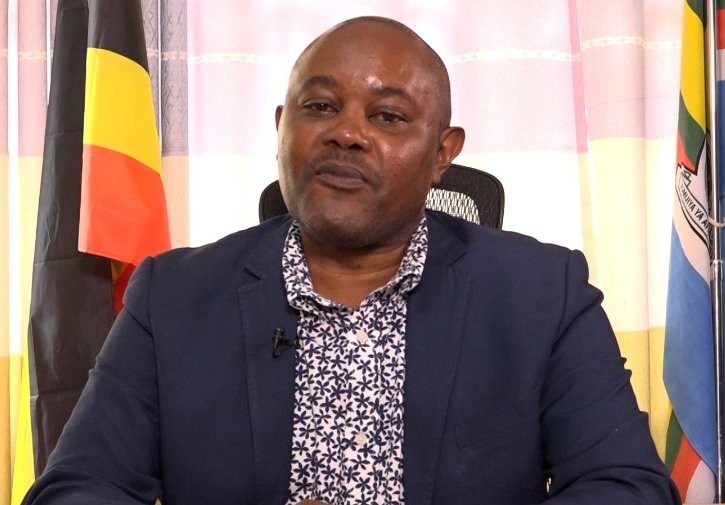
Dr. Charles Kabugo [File: Courtesy]
He made the remarks on March 16, 2026, while appearing before Parliament’s Public Accounts Committee (PAC), where he was responding to concerns raised by Tororo South MP Fredrick Angura regarding reports circulating on social media about possible cures for diabetes in India and China.
Kabugo noted that while such developments are promising, Uganda relies on global regulatory bodies for validation.
“There are reports that India may have developed a cure for diabetes, but as a country, we rely on the World Health Organisation (WHO) to review such breakthroughs and formally declare them. That would be the best news globally, because diabetes is now almost epidemic, especially in Africa,” he said.
Diet, Toxins Linked to Rising Disease Burden
Dr. Kabugo attributed the increasing cases of diabetes and hypertension largely to dietary factors, noting that these conditions often lead to kidney damage.
He cited recent findings indicating widespread contamination of foodstuffs with aflatoxins, which pose serious health risks.
“Studies have shown that a significant portion of food on the market, including groundnuts and beans, contains aflatoxins. Samples taken from Wandegeya Market revealed that nearly 80 percent of cereals were contaminated. These toxins are not destroyed by cooking and are linked to liver cancer,” he explained.
While dialysis appears cheaper in the short term, it imposes a heavier long-term financial burden compared to kidney transplants
Dialysis Costs Strain Government Resources
The discussion at PAC also focused on the financial burden of treating kidney disease, following concerns raised in the Auditor General’s report.
Auditor General Edward Akol warned that chronic kidney disease is becoming a major public health challenge requiring costly, long-term care. Kiruddu Hospital, which serves as the country’s main dialysis centre, plays a central role in managing kidney failure.
According to the report, while dialysis appears cheaper in the short term, it imposes a heavier long-term financial burden compared to kidney transplants.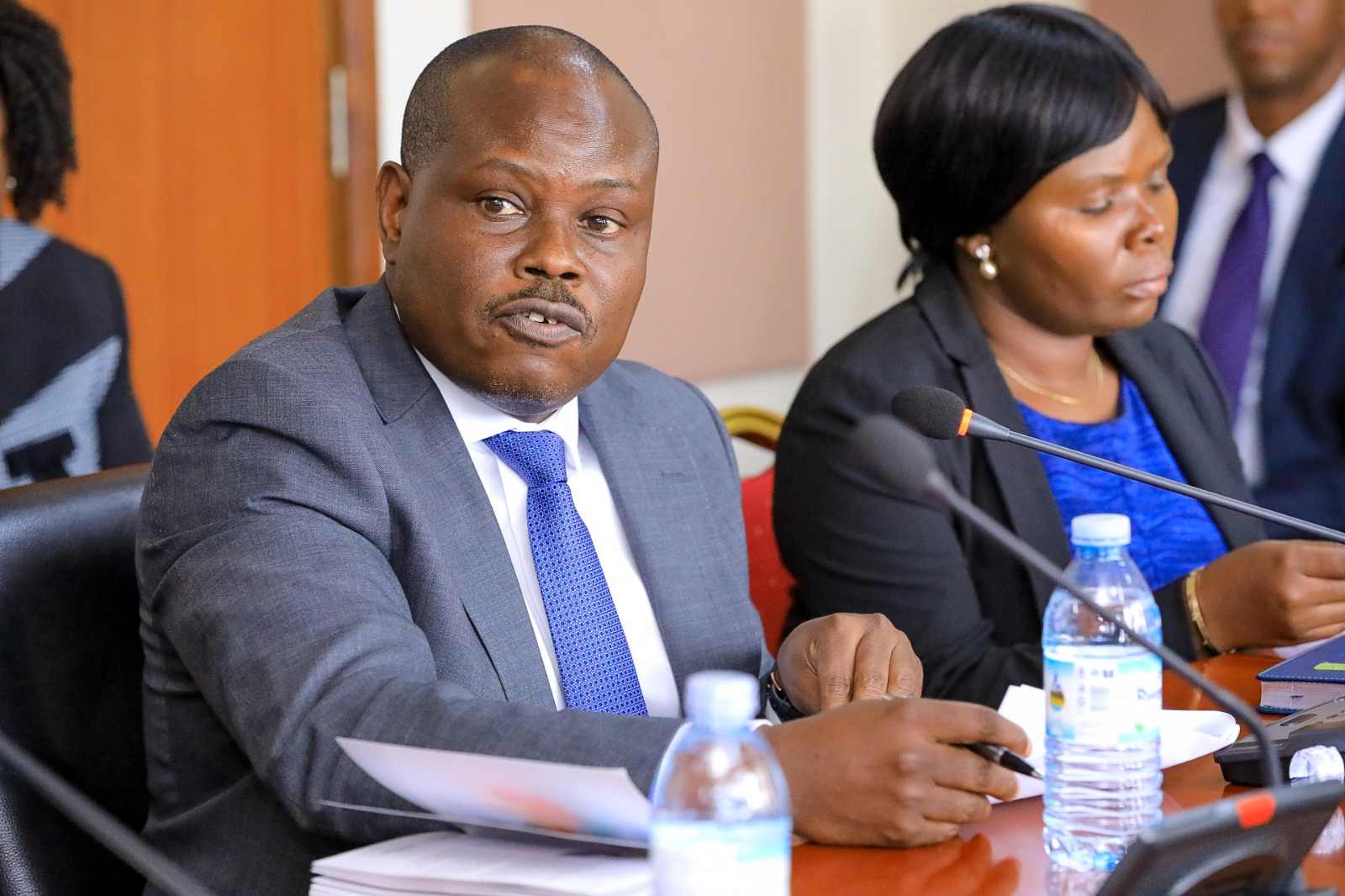
Auditor General, Edward Akol
Initial dialysis sessions cost between UGX700,000 and UGX1 million, while a kidney transplant costs between UGX80 million and UGX100 million as a one-time procedure.
However, Dr. Kabugo clarified that dialysis remains unavoidable, even for patients preparing for transplants.
“Dialysis is a bridge to kidney transplant. Even patients who are scheduled for transplant must first be maintained on dialysis to stay alive as they undergo the lengthy preparation process, including donor matching and resource mobilisation,” he said.
Patients Face Heavy Financial Burden
Dr. Kabugo acknowledged the high cost of treatment, noting that dialysis remains unaffordable for many Ugandans despite government subsidies.
“In private facilities, a dialysis session costs between UGX400,000 and UGX500,000, and patients require at least three sessions per week. That translates to about UGX1.2 million weekly and nearly UGX5 million per month, excluding medication,” he said.
At Kiruddu Hospital, the government subsidises treatment, reducing the cost to UGX60,000 per session. However, Kabugo noted that even this reduced fee remains out of reach for many patients due to the recurring nature of treatment.
“Dialysis is extremely expensive and not sustainable for most families. Many would have to sell their assets just to survive,” he added.
Call for Investment in Kidney Transplant Capacity
Kabugo urged the government to invest more in kidney transplant services, describing transplantation as the only long-term solution for patients with chronic kidney disease.
He also emphasised the importance of dialysis in managing acute kidney injury, especially among mothers after childbirth, accident victims, and patients suffering from severe infections such as malaria.
Torch Media Africa



