Written By | Staff Writer
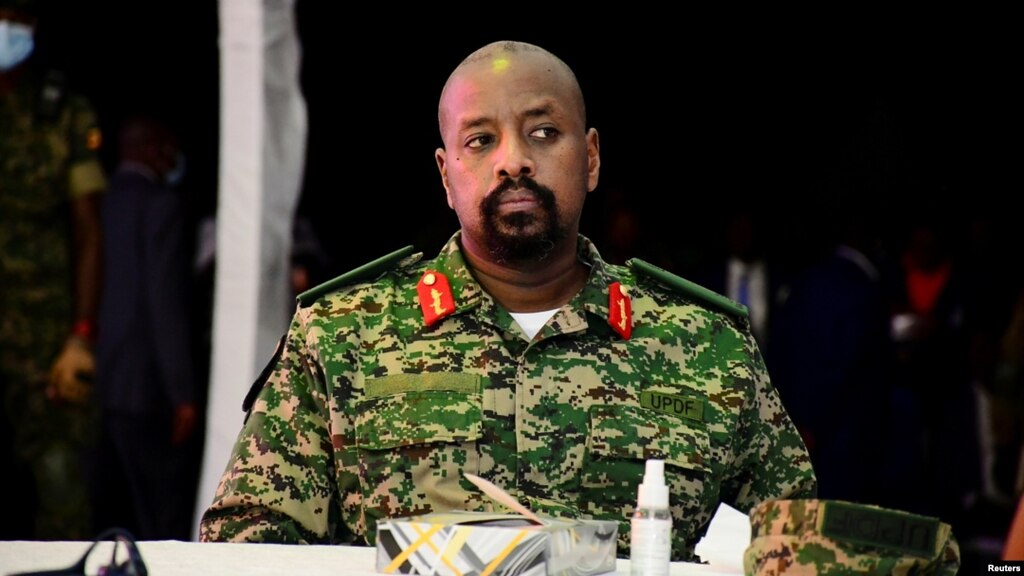
Muhoozi, the Chief of Defence Forces and Museveni's 52-year-old son, has flirted publicly with the presidency for years, but this is his most direct declaration of intent for a specific election cycle
Uganda's military chief, General Muhoozi Kainerugaba, declared on August 26, 2026 that he will run for the presidency in 2031, predicting that with his father President Yoweri Museveni's backing he would win "90 percent" of the vote. The statement, made just over seven months after Museveni was sworn in for a seventh term, is the clearest signal yet that Uganda's decades-long question of succession is now moving from speculation to an active political project.
What Is Happening
Muhoozi, the Chief of Defence Forces and Museveni's 52-year-old son, has flirted publicly with the presidency for years, but this is his most direct declaration of intent for a specific election cycle. He had briefly signalled interest in contesting the January 2026 election before dropping the bid and throwing his support behind his father instead. Since Museveni's re-election, Muhoozi has repositioned himself at the centre of the ruling establishment's future, and his political vehicle, the Patriotic League of Uganda (PLU), has resumed grassroots organising. The group recently held its first post-election gathering in Kyegegwa District, which PLU officials framed as the start of a renewed mobilisation drive ahead of 2031.
Muhoozi's declaration was reported by regional and international outlets on the same day, underscoring how quickly it moved from a political aside to a story with continental reach. He has consistently framed his path to power as inseparable from his father's blessing, a framing that keeps the succession conversation tightly bound to the ruling family rather than to any open contest within the National Resistance Movement (NRM).
Background and Context
Museveni, 81, has led Uganda since 1986 and was declared the winner of the January 15, 2026 presidential election with roughly 71.65 percent of the valid vote, extending his rule into a seventh consecutive term. The result kept in place one of Africa's longest-serving governments and reignited long-running debate about what comes after Museveni, given his age and the absence of any institutionalised succession mechanism within the NRM.
That debate has intensified through 2026 as Muhoozi's public profile has grown. A widely discussed analysis published by Foreign Policy on August 18, 2026 argued that a succession plan built around Muhoozi is already "underway," pointing to his consolidation of influence within the military and his increasingly overt political messaging. Muhoozi's dual role as both a serving military commander and an aspiring civilian politician has drawn scrutiny from analysts who see it as blurring the line between Uganda's armed forces and its electoral politics.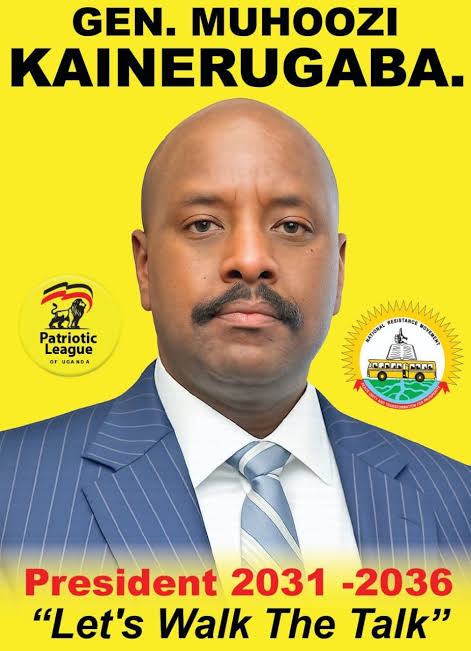
Muhoozi's rise has coincided with a marked narrowing of space for dissent and independent media. In June 2026, he ordered an overnight security operation that shut down NTV Uganda, Spark TV and the Daily Monitor — among Uganda's largest independent news outlets — accusing the Nation Media Group-owned operations of running a "sustained blackmail campaign" against the government and of promoting opposition and foreign interests. He stated bluntly on social media at the time that "In Uganda, I do not believe in a free press." The outlets remained off air for roughly a month before regulators cleared a phased resumption of services in late July 2026. Separately, Ugandan courts have handed down criminal convictions this year to young social media users for posts critical of Museveni and Parliament Speaker Anita Among, including a university student sentenced in August to two months in prison under the Computer Misuse Act over a TikTok video.
Who the Main Players Are
Muhoozi Kainerugaba sits at the centre of the story: a career military officer who has held senior command positions and now leads Uganda's armed forces while simultaneously building a civilian political movement. His father, President Museveni, remains the dominant figure in Ugandan politics and has given no public indication of whether he endorses a Muhoozi presidency beyond the son's own characterisation of paternal support.
Opposition politics, meanwhile, looks considerably weaker than it did even a year ago. Bobi Wine, Museveni's principal challenger in the January 2026 election, has gone into exile in the United States, saying he feared for his safety — a decision that has divided opinion within the opposition over whether he should have stayed to contest the government's legitimacy from inside the country. Veteran opposition leader Kizza Besigye has been detained since his abduction and extradition from Kenya in 2024 and is currently on trial for treason in Kampala; he has been repeatedly denied bail, reportedly collapsed in the dock during proceedings in late July 2026, and has seen his own defence lawyer, Erias Lukwago, arrested and charged in connection with the case.
Why It Matters
Muhoozi's declaration matters because it reframes Uganda's political future explicitly around dynastic continuity rather than an open contest, five years before any vote would occur. For a country that has known only one president for four decades, the emergence of a named successor — publicly campaigning while still holding the country's top military post — raises fundamental questions about civil-military relations and the durability of constitutional norms. Analysts and rights groups have already flagged concerns that Uganda's institutions, including the courts, media regulators and electoral bodies, have shown limited capacity or willingness to check the concentration of power within the ruling family.
The timing also matters domestically. With the main opposition figures either exiled or facing prosecution, Muhoozi's move effectively begins a multi-year campaign with little organised opposition currently positioned to contest it. That imbalance could shape how competitive Ugandan politics remains through the rest of Museveni's term and beyond.
What to Watch Next
Several threads are likely to develop in the coming months. First, watch whether Museveni offers any explicit public endorsement of his son's 2031 ambitions, which would mark a significant escalation from the current arrangement of implied backing. Second, the PLU's mobilisation drive — starting with events like the Kyegegwa gathering — will be a gauge of whether Muhoozi can convert online popularity and military standing into a genuine grassroots political base independent of the NRM machine. Third, the treatment of independent media and dissenting voices, following the Daily Monitor and NTV shutdown and the wave of Computer Misuse Act prosecutions, will indicate how much space critics and journalists will have to scrutinise Muhoozi's political rise as it unfolds. Finally, the outcome of Besigye's treason trial and the fate of exiled opposition figures will shape whether any credible alternative to NRM-family rule can re-emerge before 2031.



