Written By |
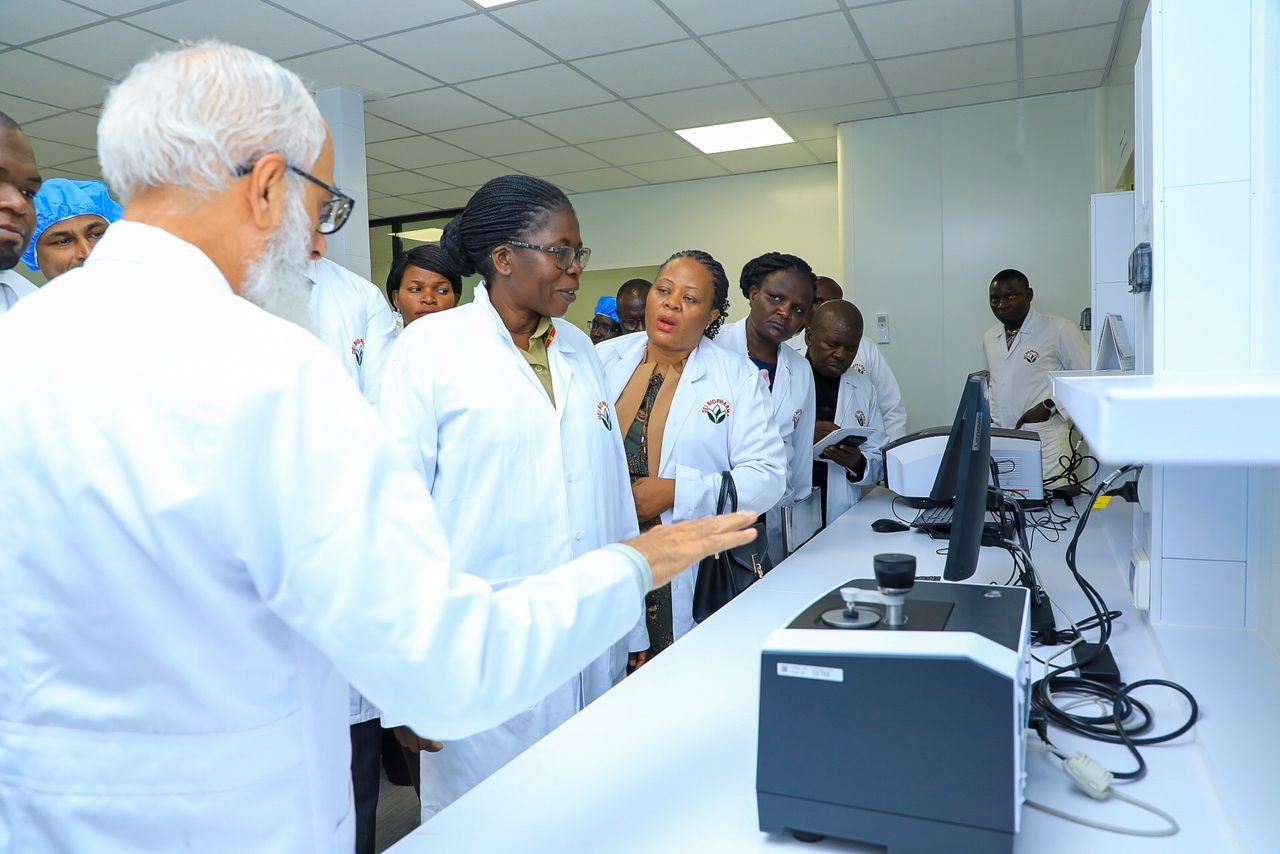
Parliament's Health Committee visited and approved Dei BioPharma, to begin medicine production in October
By Our Reporter
PARLIAMENT - The Parliament has raised concerns over the transparency of the agreement between the Government of Uganda and Dei Bio Pharma, following revelations that the company plans to repay the Shs723 billion it received from taxpayers. The issue was highlighted by Leader of Opposition, Joel Ssenyonyi, after a visit to the company's Matugga premises, where Dei Pharma's proprietor, Mathias Magoola, disclosed plans to begin vaccine production in October.
Ssenyonyi questioned the nature of the agreement, which the Government had previously denied during the approval process of the bailout funds. He called for clarity on the arrangement, stating that if Dei Pharma intends to return the funds, Parliament should be informed of the specifics.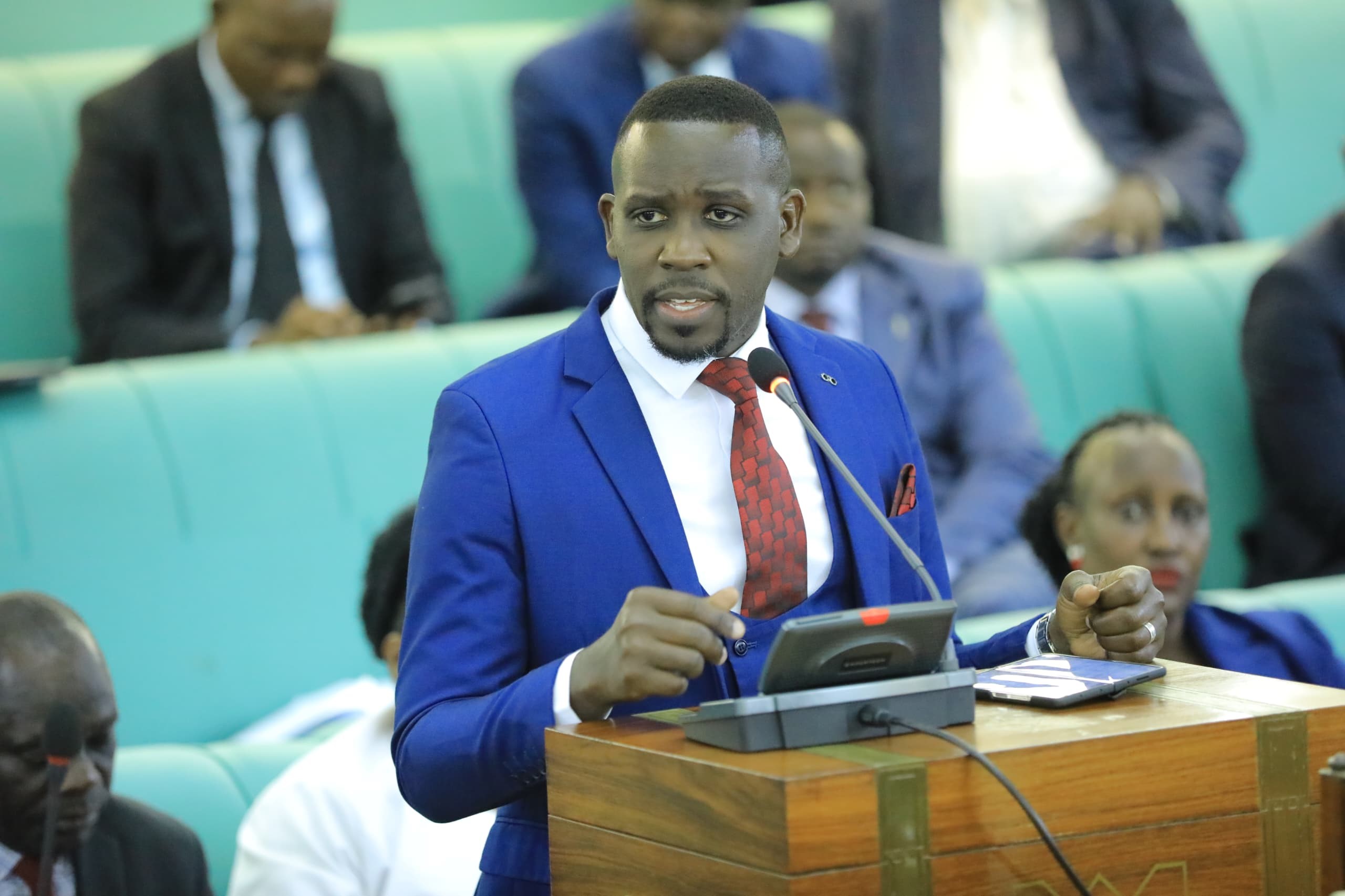 LOP Ssenyonyi tasked Government to explain the agreement with Dei BioPharma
"We would like to know, how true is this kind of agreement? Government should tell this House. Dei Pharma says they are going to return the money, what kind of arrangement is that? I thought it would be procedurally right for them to return to this House because they came here begging for this money," Ssenyonyi said, urging for a comprehensive policy on bailouts to avoid future financial mismanagement.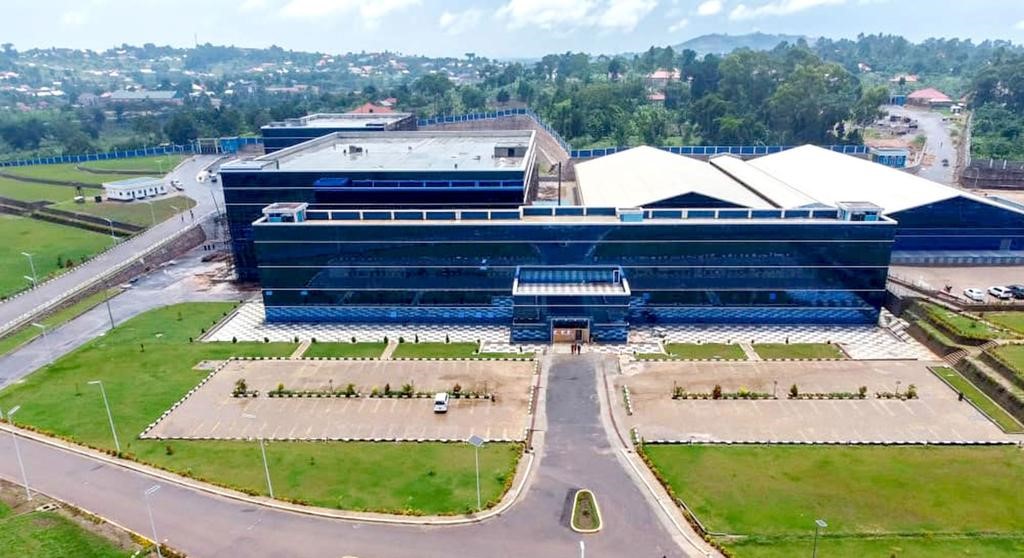
Dei BioPharma has been approved by Parliament's Health Committee to begin medicine production at its 150-acre Matugga facility starting in October. It will create up to 40,000 jobs
Ssenyonyi expressed further confusion over the company's claim of repaying the money within months, implying that the Government might have purchased temporary shares in Dei Pharma. He urged the Government to clarify if it was involved in a short-term investment.
The Attorney General, Kiwanuka Kiryowa, confirmed the existence of an agreement between the Government and Dei Pharma. He stated that the Government holds shares in the company and supported the clause allowing Dei Pharma to buy back the shares at a future date.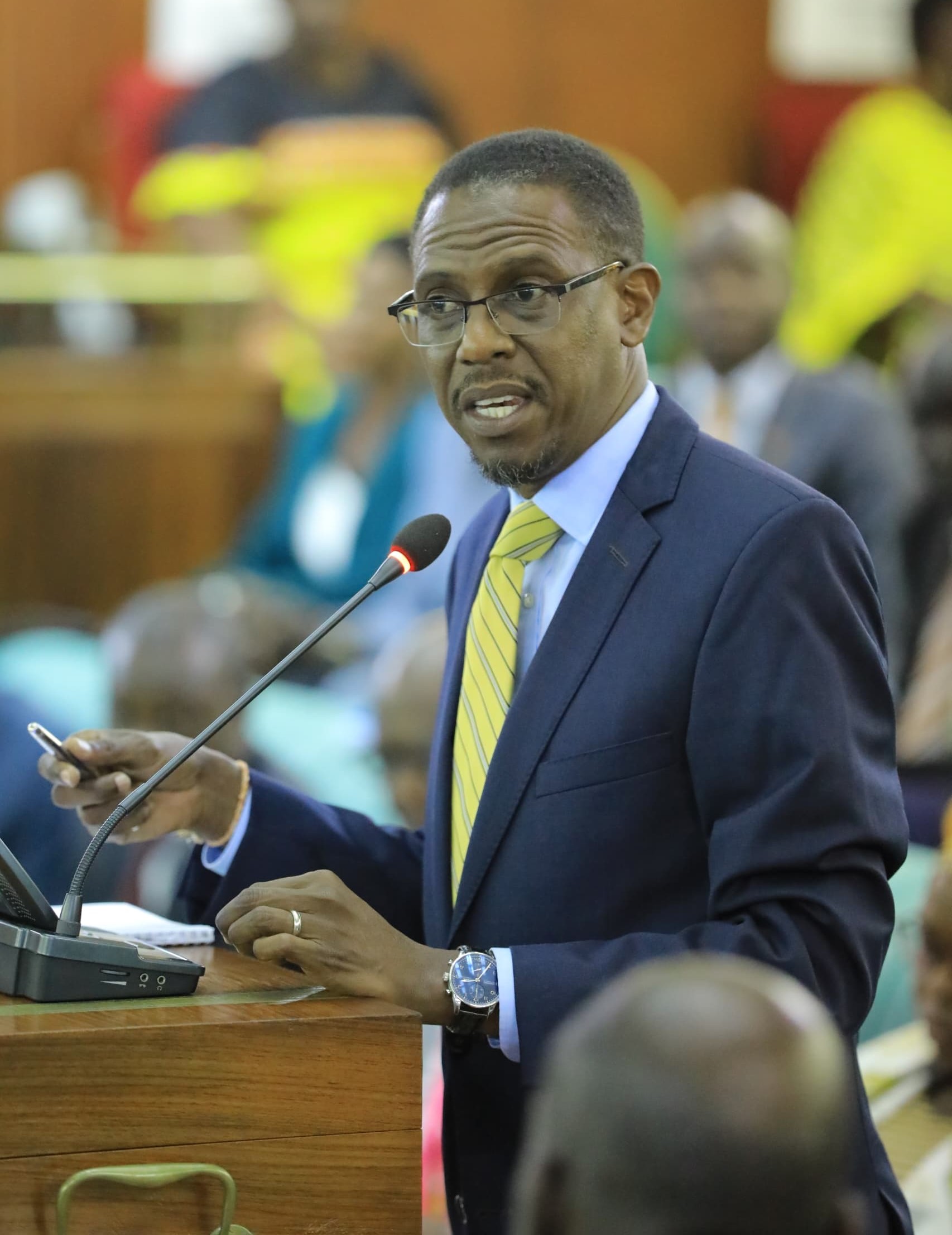
State Attorney Kiwanuka Kiryowa said that the Pharma had a buy back clause of the shares
"Shares are a property. If someone is ready to buy back the shares, that is what we thought was the correct thing to do. Yes, there is a clause in the agreement, that while Government has shares, should Dei Pharma wish to buy back those shares, those shares will be valued on that date and then bought back," Kiryowa explained.
Background
Dei BioPharma Ltd. had been grappling with significant financial difficulties due to loans from various banks. Equity Bank provided $100 million (Shs 368.7 billion) for construction, equipment, and working capital, while Uganda Development Bank and Tropical Bank contributed $20 million (Shs 73.7 billion) and $2 million (Shs 7.3 billion), respectively.
Mathias Magoola, the company's owner, reportedly struggled to repay these loans. Tropical Bank threatened to auction his Matugga properties to recover its funds, while Equity Bank was also under pressure to sell off assets. Magoola owns several companies, including Dei Industries, which had also defaulted on loan repayments, prompting the Bank of Uganda (BoU) to intervene and ask Equity Bank to recall the loans.
Despite these issues, Magoola signed a 10-year agreement with the Ugandan government to supply locally produced drugs, aiming to reduce reliance on imports. During a meeting with President Yoweri Museveni, it was decided that the factory should not be sold but rather supported to continue operations.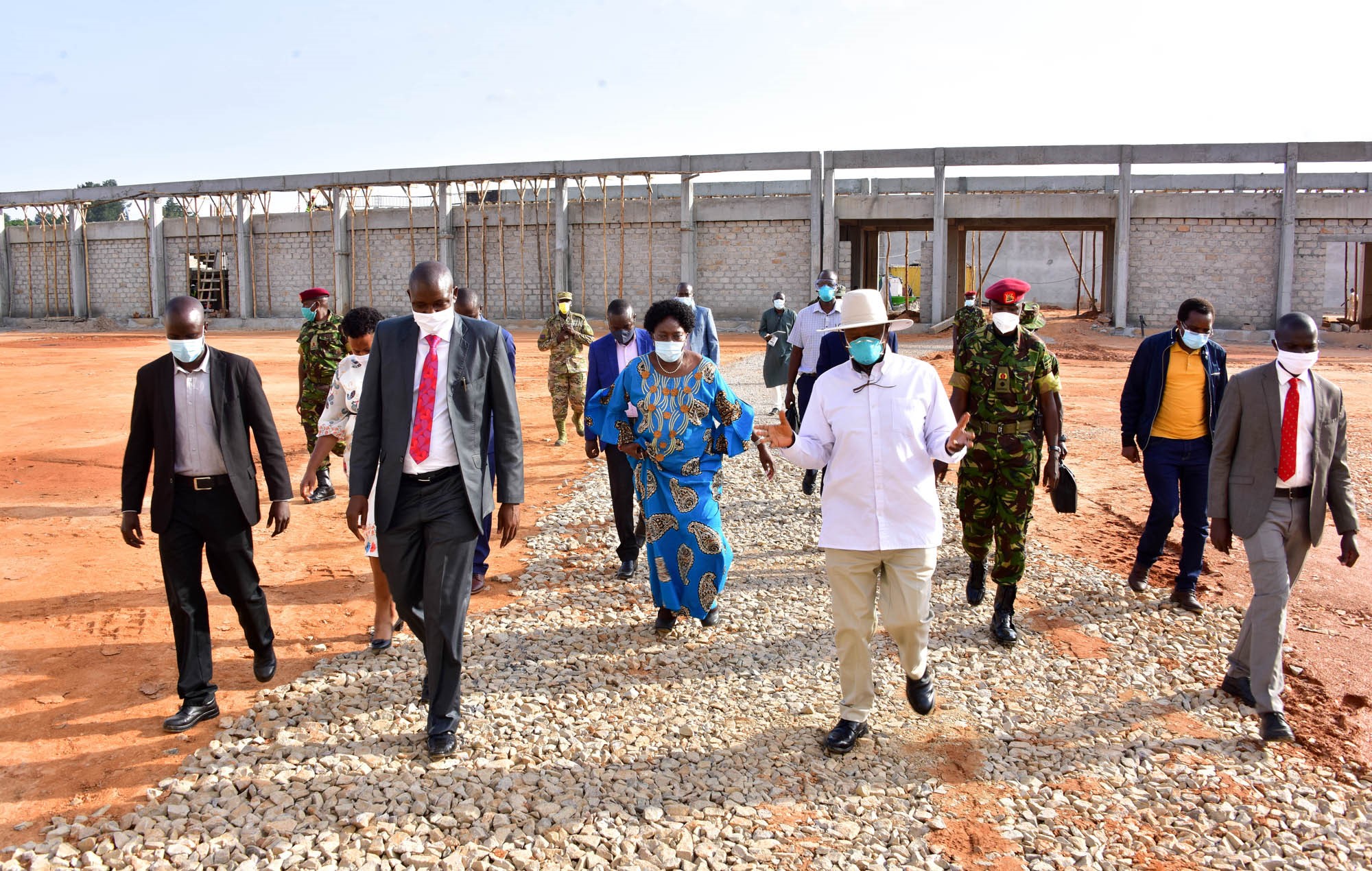
President Museveni with the then Speaker of Parliament Rebecca Kadaga, visiting Dei BioPharma during it's construction in 2020
In May, Dei BioPharma was allocated Shs 578.4 billion from a supplementary budget to complete production and settle debts. However, this decision faced opposition in Parliament. MPs like Ibrahim Ssemujju Nganda and Muhammad Nsereko criticized the bailout, arguing that it diverted essential funds from debt servicing and health sector needs.
Magoola had promised that his factory would produce drugs that treat cancer, malaria and also employ over 2,000 Ugandans. He said the projected revenue of the project would be $5bn in five years.
Lawmakers further questioned why the Uganda Development Corporation (UDC) wasn’t used for such investments, rather than direct allocations through Parliament.
The debate raises questions about the Government’s bailout strategy and transparency in public fund allocation, with Ssenyonyi calling for better organization and accountability to avoid similar issues with future bailouts.
Torch Media Africa