Written By | Staff Writer
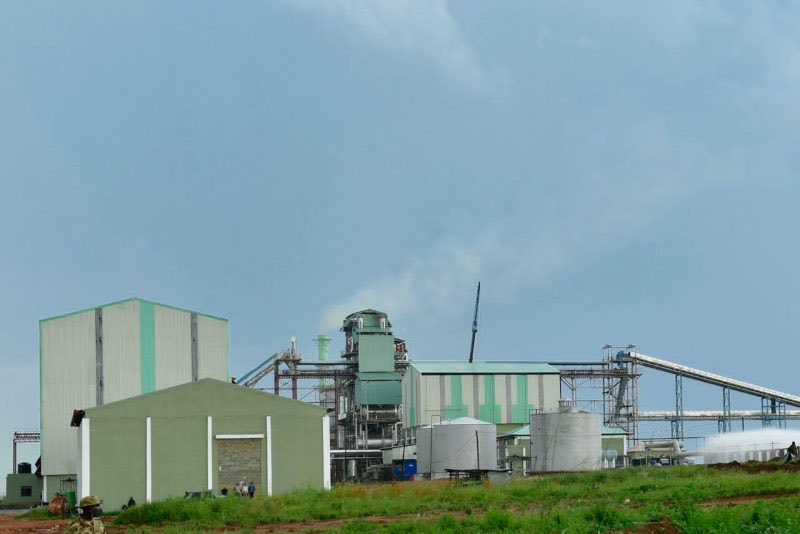
Atiak Sugar Factory
KAMPALA — Uganda’s Parliament is demanding answers after the Atiak Sugar Factory, owned by Kenyan-Somali businesswoman Amina Moghe Hersi, consumed more than $204 million in public and private investment without producing sugar commercially for years.
Six years after President Yoweri Museveni commissioned the factory in Amuru District with much fanfare, lawmakers say patience is running out over repeated delays, missed production targets, and continued government financial bailouts.
The factory is owned 60 percent by Horyal Investment Holding Company Limited, linked to Moghe Hersi, and 40 percent by the Ugandan government through the Uganda Development Corporation (UDC).
During debate on the 2025/26 budget, State Minister for Industries David Bahati told Parliament that production is expected to begin in September 2026 following the government’s latest capital injection of Shs37.9 billion, approximately $10 million, for irrigation infrastructure intended to stabilise sugarcane supply.
However, opposition lawmakers openly questioned the continued expenditure on the project.
Leader of Opposition Joel Ssenyonyi dismissed the assurances, saying repeated promises had failed to materialise.
“As sure as day follows night, it is not going to happen because every year they keep promising us,” Ssenyonyi said on the floor of Parliament.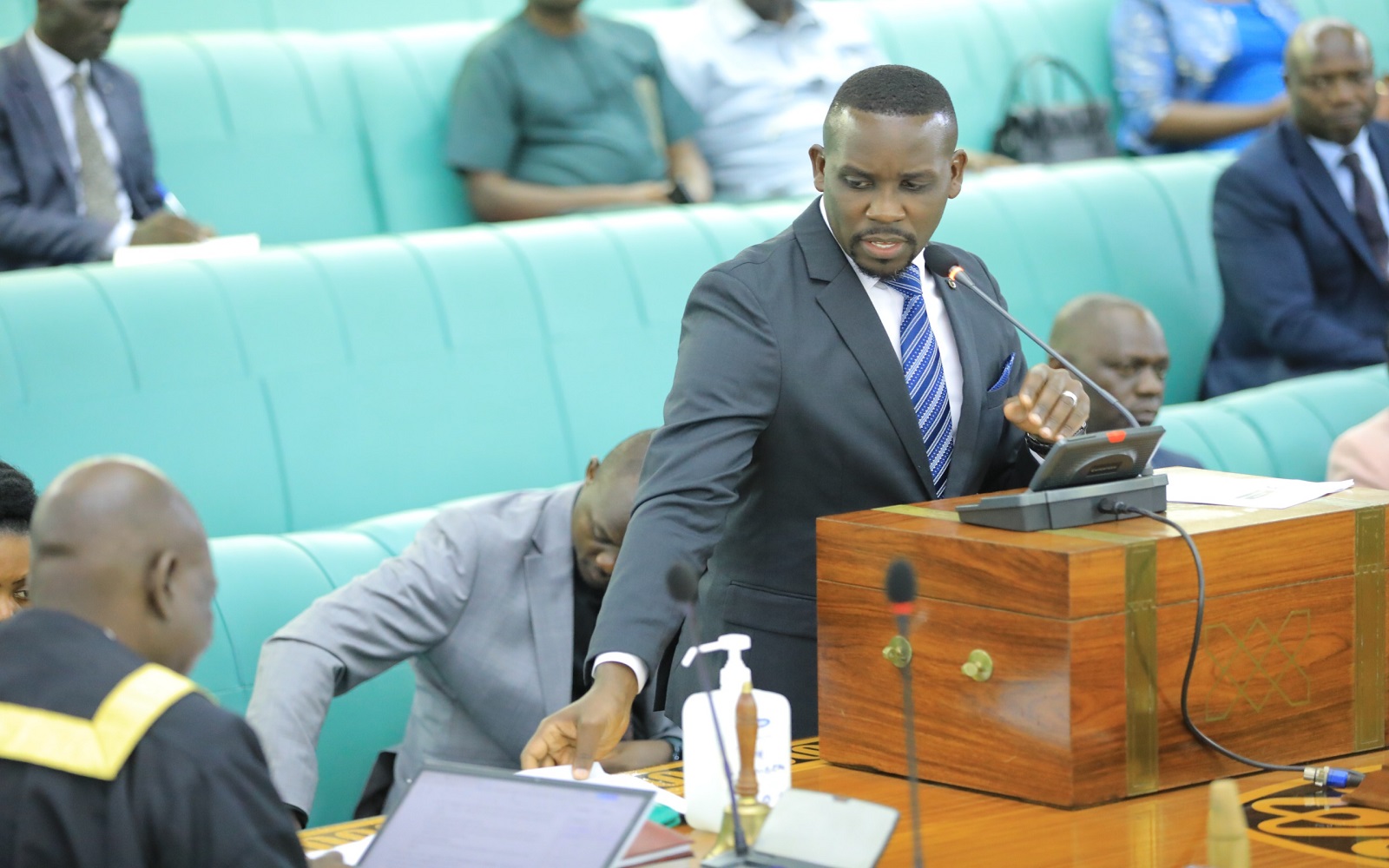
He further questioned why public funds continued to be channelled into what he described as a private business with unclear returns for taxpayers.
“Who is this Atiak person that we have got to keep giving money to?” he asked.
An investigation published by Daily Monitor on May 15 indicated that even the latest timelines could be unrealistic because the factory reportedly lacks enough mature sugarcane to sustain commercial operations.
According to sources familiar with the project, the planned dry test run scheduled for September 2026 and full production target for April 2027 remain uncertain due to insufficient cane supply on the plantations.
“As per the early 2025 plan, testing the plant was scheduled for September this year before full-scale production in April 2027, but that will not work because the canes are not there,” one source told the newspaper.
The figures surrounding the project have intensified scrutiny.
Government investment through UDC now stands at approximately Shs553.7 billion, about $147.2 million, while Horyal Investment has reportedly contributed around Shs164 billion, equivalent to $43.6 million.
An additional Shs100 billion, approximately $26.6 million, has also been earmarked in the proposed 2026/27 budget for further government support.
This brings the total investment in the project to nearly Shs768.7 billion, or $204.3 million.
Kira Municipality MP Ibrahim Ssemujju criticised the financing structure, arguing that taxpayers have contributed the bulk of the capital despite the government holding only a minority stake in the company.
“The Shs100 billion new allocation will bring total investment in this company to Shs768.710 billion,” Ssemujju said.
“The proprietor, Amina Moghe Hersi, has invested Shs125 billion, yet she has 60 percent stake in the company while Uganda has 40 percent.”
The factory’s history has been marred by repeated setbacks, including devastating fires between 2016 and 2021 that destroyed large sections of sugarcane plantations.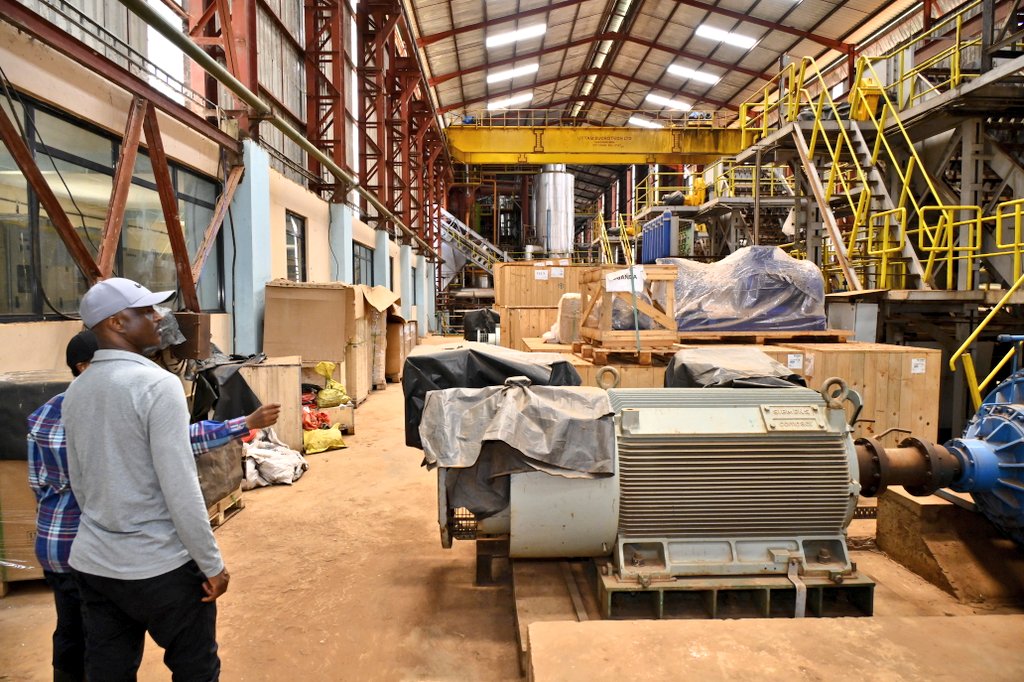
The most severe fire in late 2021 reportedly wiped out nearly 60 percent of the standing crop, forcing production to halt completely in March 2022. In response, sugarcane was transported from the Busoga sub-region at a cost of about Shs16 billion in government transport subsidies, while Horyal contributed an additional Shs10 billion toward logistics. Officials later concluded that transporting cane over such long distances was financially unsustainable.
The irrigation system currently being funded by government is expected to support year-round sugarcane growing regardless of rainfall patterns. But concerns remain over whether the plantations can produce sufficient cane within the projected timelines.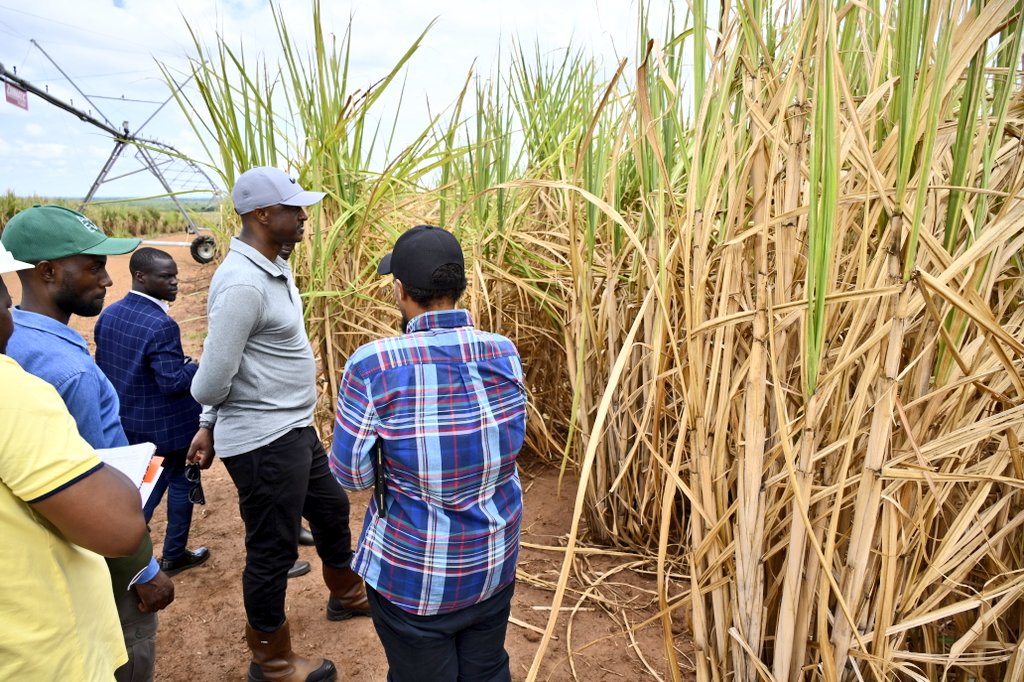
Moghe Hersi, who operates the factory alongside her son Mohamoud Abdi Ahmed, has previously attributed the delays to factors beyond management control, including plantation fires, delays in procurement of machinery, and the challenges of establishing large-scale commercial agriculture in a region recovering from two decades of the Lord’s Resistance Army insurgency.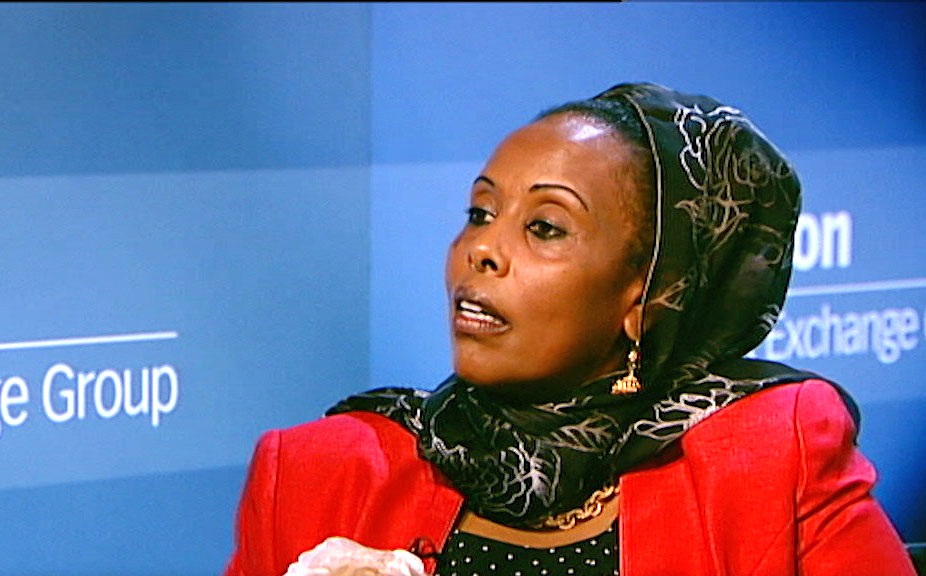
Amina Moghe Hersi
Parliament had previously approved Shs108 billion during the 2022/23 financial year for irrigation systems and machinery procurement, but several components of the project remain incomplete years later.
Kilak North MP Anthony Akol urged Parliament to remain patient, arguing that the project had faced difficulties in establishing outgrower networks and stabilising sugarcane supply. “What Ugandans want to see is the sugar,” Akol said.
The Atiak Sugar Factory was initially projected to produce 66,000 tonnes of sugar annually, create about 1,500 direct jobs, and support up to 15,000 outgrower farmers across Amuru and Lamwo districts.
For Northern Uganda, a region still recovering economically from years of insurgency, the factory was envisioned as a transformational industrial project capable of driving employment and regional development. But after six years, Parliament says the project has increasingly become a test of whether Uganda’s public-private partnership model can deliver value for taxpayers. So far, lawmakers argue, the results remain elusive.
Torch Media Africa



