Written By | Grace Linda Abooki
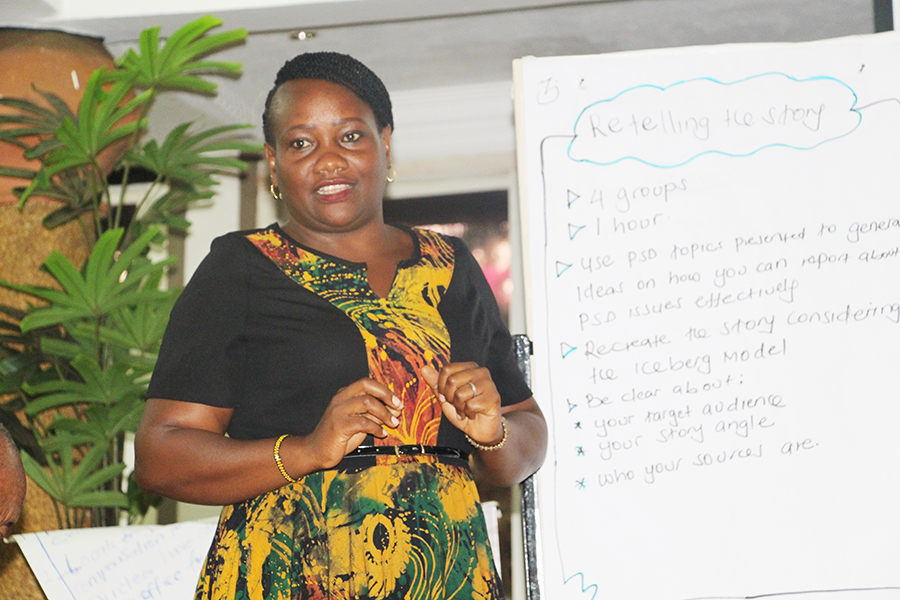
Betty Mujungu - Deputy Mayor Fort Portal City
Ankole
When Uganda introduced affirmative action in the early 1990s, many celebrated it as a powerful turning point—an unmissable chance for women to claim space in national leadership. Reserved seats, gender quotas, and constitutional reforms fueled hope that Ugandan politics would finally reflect the voices of its women. But as Uganda heads into the 2026 general election, the symbolic ceiling that seemed to crack three decades ago is visibly hardening again. For the first time in many years, the presidential ballot paper has eight male candidates and not a single woman. Where did women’s political leadership lose its momentum?
Uganda is not short of women who have proven that leadership is not defined by gender. Dr. Specioza Wandira Kazibwe, Africa’s first female Vice President, championed women’s health and economic empowerment, while Rebecca Kadaga, as Speaker of Parliament, pushed for maternal health funding and stronger representation. Miria Matembe led the fight against gender-based violence, and Winnie Byanyima has become one of the world’s most influential voices on global inequality. Their achievements stand as evidence that when given space, women do not just participate—they transform societies. Yet, the same system that elevated these pioneers is now squeezing younger leaders out.
The 2026 Empty Chair
The 1995 Constitution formally ensured a woman representative for every district, and soon after, women began rising to positions once considered impossible. Following in the footsteps of giants, other female presidential candidates emerged: Miria Obote in 2006, Beti Kamya in 2011, Maureen Kyalya Waluube in 2016, and Nancy Kalembe in 2021. These milestones once suggested steady progress, but today, that progress is slipping. As we approach the 2026 polls, 15 women were among the initial 121 aspirants, yet none appeared on the final list. To many, this is more than a procedural loss; it is a warning sign. Policy analyst Hadson Turinayesu notes that the root of the problem goes far beyond numbers.
“Besides the introduction of quotas and affirmative action, there is an urgent need for an alternative means to increase the participation of women in decision-making roles. We must deal with the hidden barriers—deep cultural beliefs, limited financial support, and political intimidation.”
Money, Culture, and the “Marriage Tax”
Financial constraints remain a primary weapon against aspiring female candidates. Betty Mujungu, the Deputy Mayor of Fort Portal Tourism City, points out that finances are the biggest hurdle.
"Many women are limited by financial resources, which inhibit their effective participation. A dedicated fund should be set aside through state or party mandates to support women’s advocacy and political campaigns.”
Beyond the wallet, the struggle is often deeply personal, taking place within the home. Lillian Ruteraho, contesting for the Isingiro District Woman MP seat, says family and marriage pressures discourage many.
“Most men have a mentality that women become unruly when in power and with money. They are put to the test to choose between marriage and leadership. It is unfortunate that up to today, men often control women’s financial flows even when they had no input in earning it.”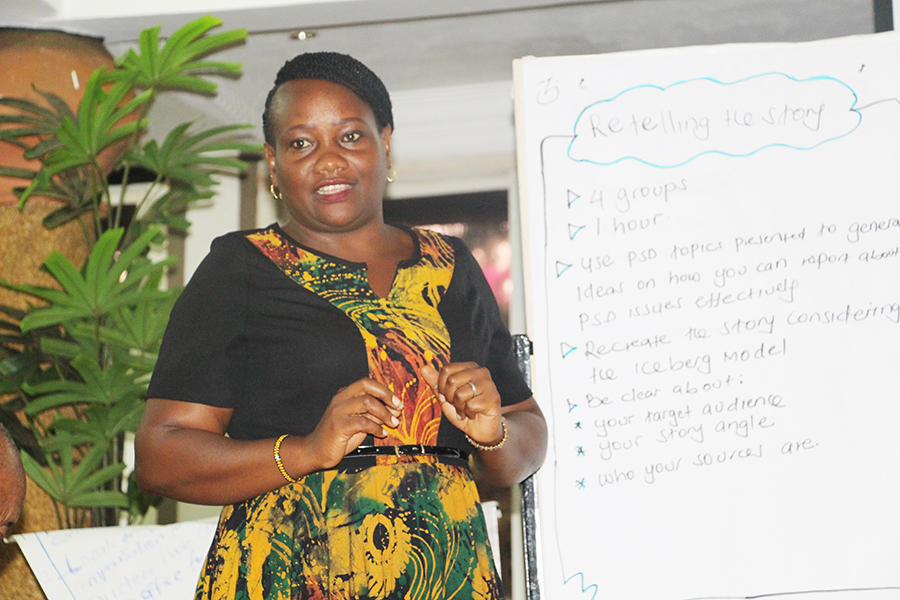
Betty Mujungu - Deputy Mayor Fort Portal City
The Confidence Gap and Media Representation
While external barriers are significant, some leaders believe the missing ingredients are confidence and internal unity. Sheema District Chairperson Jemimah Buhanda, who is returning to her seat unopposed, believes women are strong competitors—so strong that they are often feared.
“Women are the ones to write their own history in leadership; they have been empowered enough and it is high time for them to stand for themselves as opposed to waiting for miracles. Give money and power to women if you want a socially developed society.”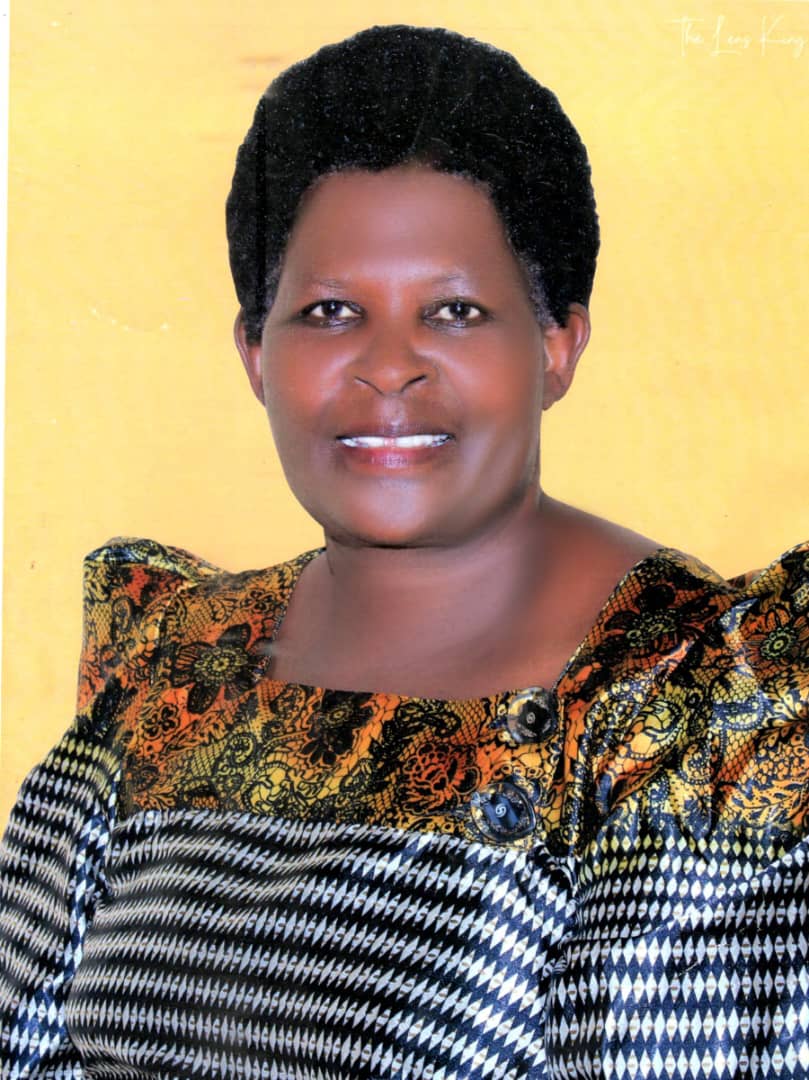
Jemimah Buhanda
However, Buhanda laments that women rarely support each other, often crowding into a single "woman-only" seat while leaving other positions male-dominated. This creates a gap at the highest levels of power that former Mbarara District Woman MP contestant Betty Komujuni finds deeply concerning.
“The most significant gap is found at the highest levels. With no woman on the 2026 presidential ballot, that gap is visible. Some people think being a president or a mayor requires one to be a man; that is a myth. Every person above 18, given the necessary qualifications, equally qualifies regardless of gender.”
The media acts as the prism through which society views these candidates, yet it often reinforces the status quo. In many scenarios, women feel they must ask permission from fathers or husbands before responding to the press, leading to a lack of self-confidence. Stuart Twinomujuni, a newsroom editor, notes that gender imbalances in newsrooms lead to gender stereotypes in society.
“Some women are afraid of being interviewed; they fear what their husbands or society will think. Women’s voices are most lacking in male-dominated fields like politics, where they haven't been given the space to be sources.”
TV presenter Jemimah Ayebare adds that finding female sources is a challenge because they are often overwhelmed by domestic responsibilities.
“It will take time for media managers and the public to have confidence in women’s voices, but if individual media houses take it upon themselves to address gender stereotypes, then the barriers will be removed.”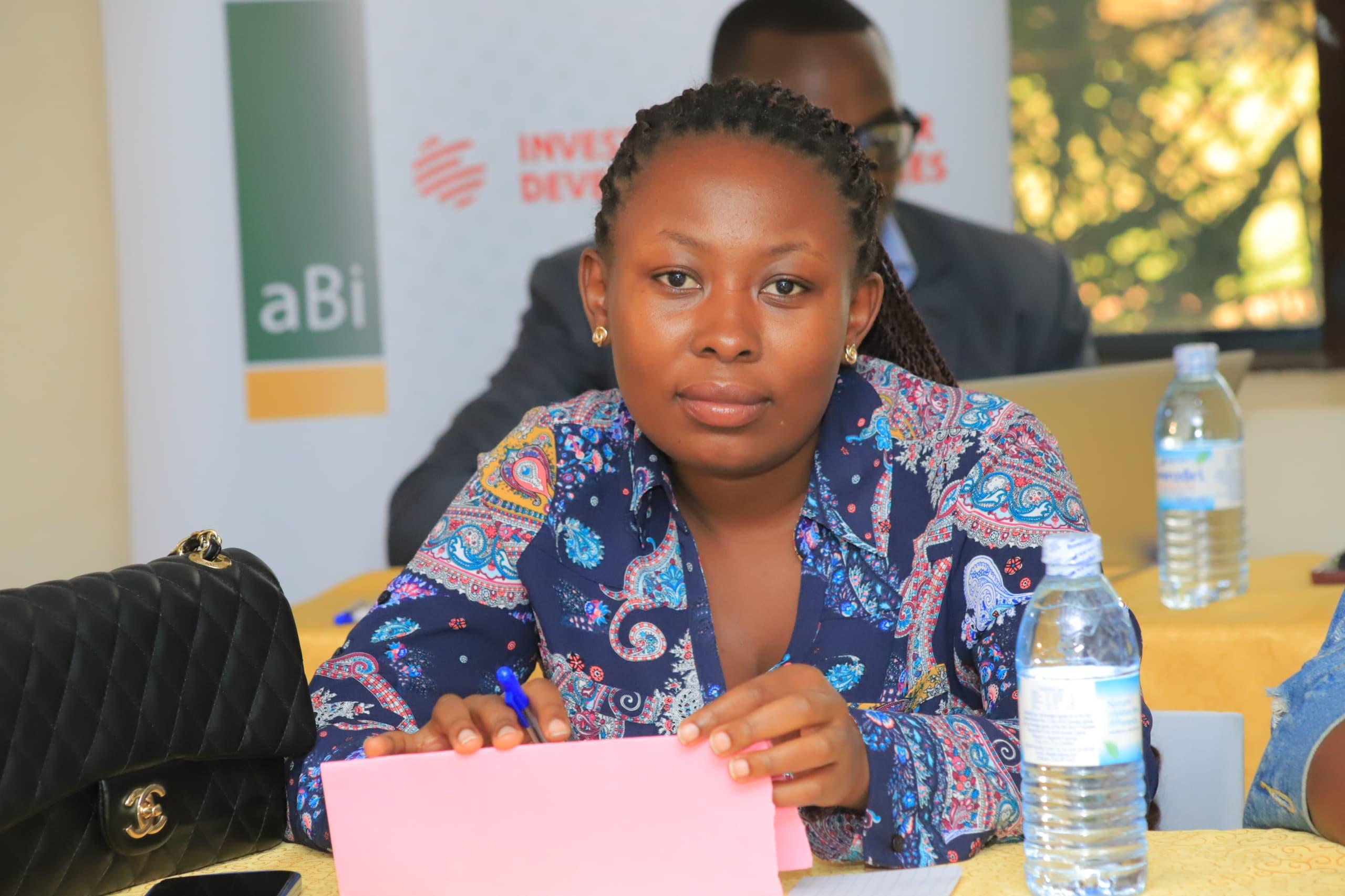
Jemmimah Ayebaare - Journalist
Ultimately, the media must reflect on how women are portrayed. Social awareness campaigns and a shift in cultural mindset are essential to ensure that the promise of the 1990s does not become a permanent setback for the women of tomorrow.
Torch Media Africa



