Written By | Peter Luzinda
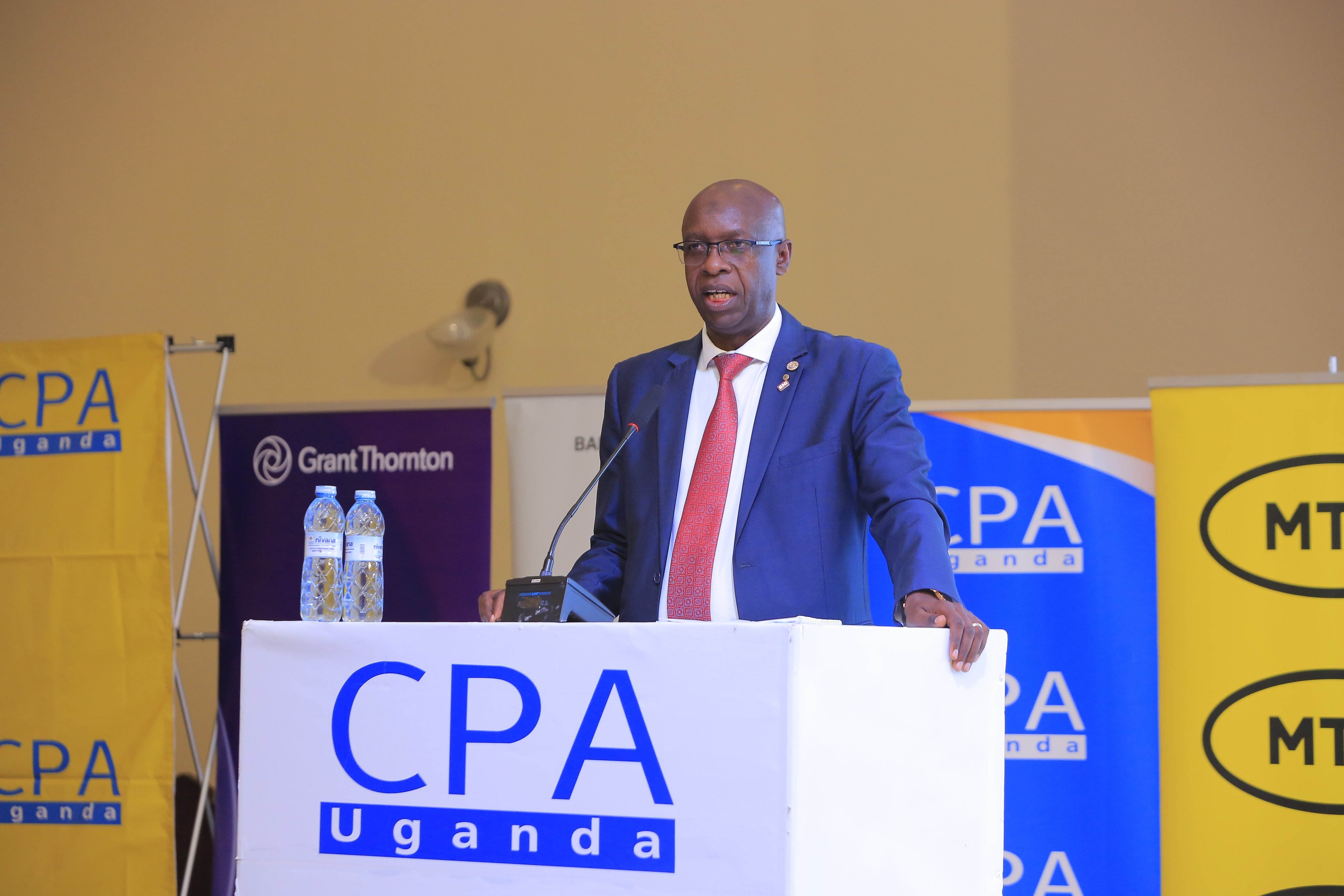
The proposal was presented by Silajji Kanyesigye Baguma, Chairperson of the Taxation and Economic Policy Panel at ICPAU
KAMPALA — The Institute of Certified Public Accountants of Uganda (ICPAU) has urged government to increase the proposed withholding tax on public entertainers from 6% to 15%, arguing that the move would help formalise taxation in Uganda’s growing entertainment sector.
The proposal was presented by Silajji Kanyesigye Baguma, Chairperson of the Taxation and Economic Policy Panel at ICPAU, during submissions to Parliament’s Finance Committee on tax bills linked to the 2026/27 national budget.
Silajji Kanyesigye Baguma
ICPAU also called for a clear legal definition of “public entertainment” to avoid unintended taxation of private events such as weddings and graduation ceremonies. The Institute warned that vague wording in the law could create confusion, reduce compliance, and unfairly burden individuals hosting private functions.
Baguma explained that the proposed tax targets an emerging and largely undertaxed sector, noting that applying a 15% withholding tax on gross payments to public entertainers would not only boost government revenue but also bring more creatives into the formal tax system.
However, lawmakers raised concerns about the practicality of implementing the measure. Keffa Kiwanuka questioned how private individuals would comply with withholding obligations when hiring entertainers for personal events.
“I am surprised that you are okay with withholding tax on entertainers, by whoever organises that entertainment,” Kiwanuka said. “How do you feel if you had a party, maybe a graduation of your son or daughter, and you are asked to withhold the tax on the entertainer? How do you see it practically being collected? Doesn’t it become an unnecessary burden and cause anxiety for the public?”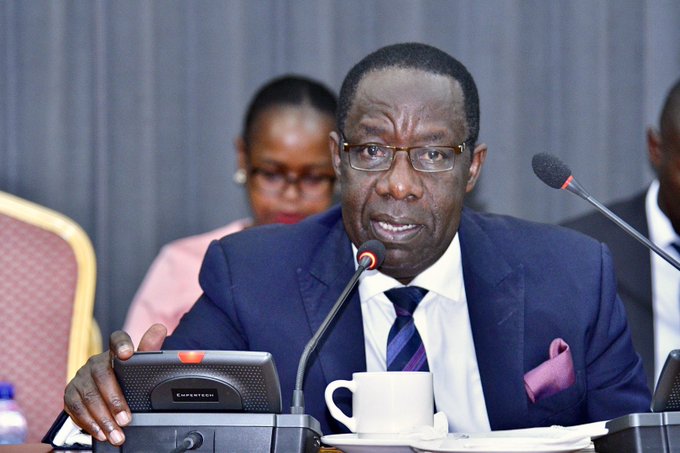
Keffa Kiwanuka
In response, Baguma emphasised the need to distinguish between commercial and private engagements.
“Our understanding is that ‘public entertainment’ should be clearly defined — for example, concerts, or performances paid for by radio and television stations,” he said. “If I invite an artiste to perform at my home for a private function, that should not fall under this provision.”
ICPAU expressed support for the broader proposal to impose withholding tax on public entertainers, insurance agents, mobile money agents, and winnings from gaming and sports betting, but reiterated that clarity in definitions is critical for effective implementation.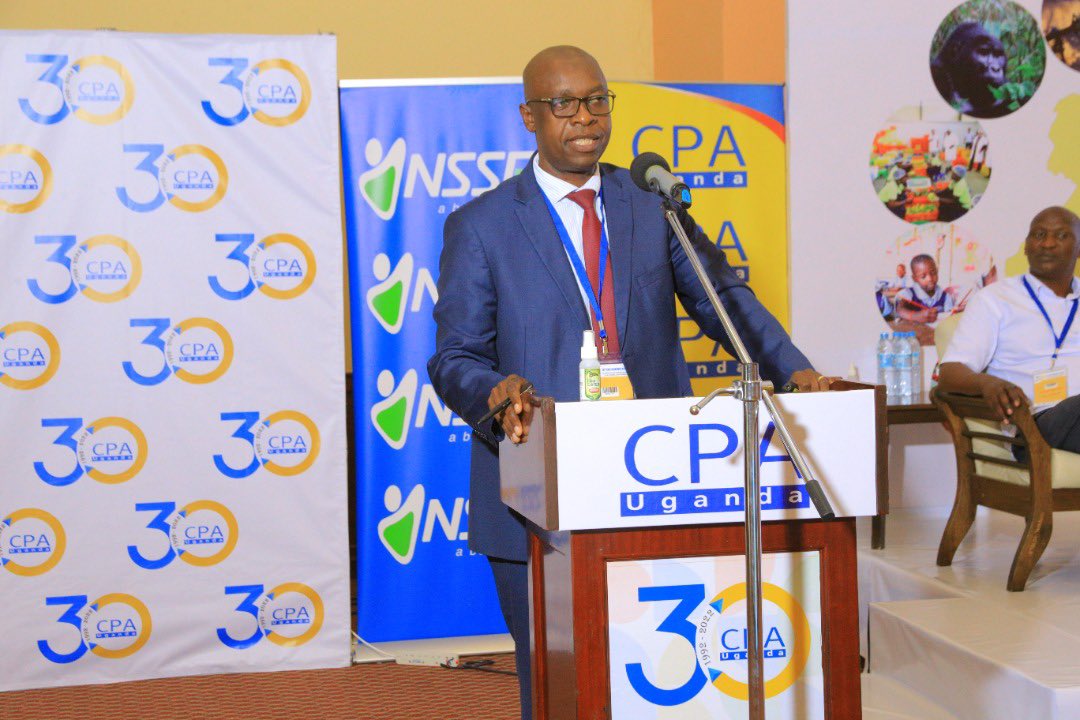
Beyond entertainment taxation, the Institute also voiced concern over continued tax exemptions granted to the Bujagali Electricity Company, describing the repeated extensions as unsustainable.
Baguma noted that Parliament has renewed the company’s tax waiver multiple times and called for a long-term resolution. “We believe there needs to be a lasting solution to ensure that by 2032, they either start paying taxes or government finds an alternative arrangement,” he said.
The issue drew further scrutiny from Maximus Ochai, who asked ICPAU to clarify its position after what he described as a “frustrated” tone in its earlier submission.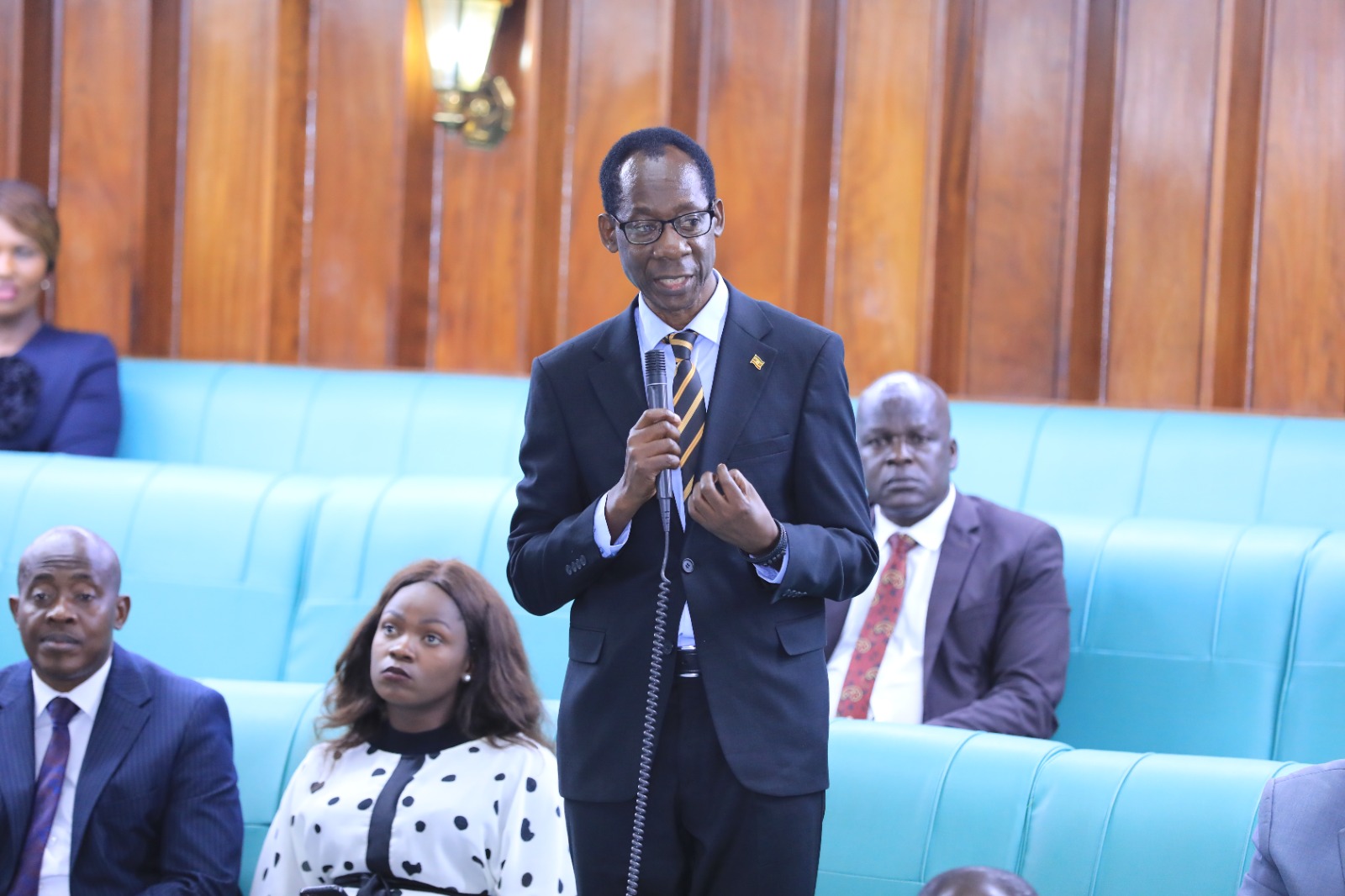
Maximus Ochai, West Budama North MP
In response, Baguma urged Parliament to avoid repeatedly legislating on the same matter and instead consider structural solutions, including requiring partial local ownership as a condition for continued tax incentives.
“We shouldn’t be returning to Parliament every year on the same issue,” Baguma said. “If exemptions are to be extended, conditions such as offloading shares to local investors could ensure that dividends remain in the country and Ugandans benefit more directly.”
The Finance Committee is currently scrutinising several tax proposals that will inform Uganda’s 2026/27 national budget.
Torch Media Africa



