Written By | Entertainment Desk
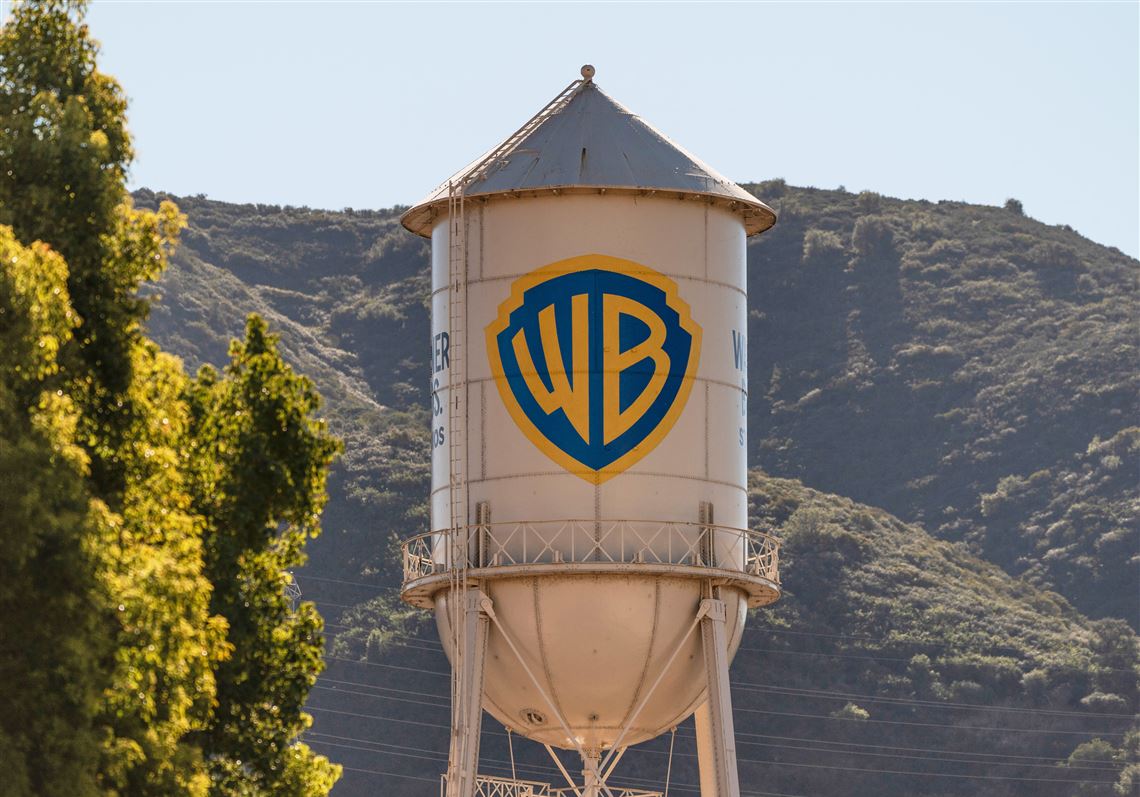
California's attorney general calls the $110 billion Paramount-Warner Bros. Discovery deal "unlawful" — and warns it would mean higher prices and fewer shows for everyone
LOS ANGELES
Just as Hollywood thought the dust had settled on its biggest corporate shakeup in years, a coalition of a dozen states walked into a California federal courthouse on July 13, 2026, and asked a judge to blow the whole thing up.
The lawsuit, led by California Attorney General Rob Bonta and joined by eleven other states with Democratic attorneys general, targets Paramount Skydance Corp.'s $110 billion agreement to acquire Warner Bros. Discovery — the parent company of HBO, CNN, Warner Bros. Pictures, and a sprawling library that includes everything from "The Sopranos" to the DC film universe. If it goes through, the combined entity would be one of the largest media conglomerates on the planet, controlling a jaw-dropping share of the movies and television Americans watch every week.
According to the states' filing, that's exactly the problem.
WHAT'S ACTUALLY BEING ALLEGED
The lawsuit doesn't mince words. Bonta's office argues that if allowed to proceed, the merged company would control nearly one-third of all theatrical motion picture releases in the United States and close to one-third of basic cable programming — a concentration of market power the states say violates antitrust law and would directly harm consumers.
"Today, I am leading a coalition of states in challenging the proposed merger of Warner Bros. and Paramount and asking the court to block the deal," Bonta said in announcing the suit. "The unlawful merger of these two entertainment behemoths would lead to higher prices, lower quality, and less content for film and television." In a subsequent statement, he was blunter still: the deal, he said, "would snuff out competition, drive up prices, diminish content quality, and produce fewer movies and shows each year."
The timing is notable. The Trump administration's Department of Justice and Federal Trade Commission cleared the transaction without conditions back in June, a green light that industry observers expected would clear the deal's last major regulatory hurdle. Instead, the states' lawsuit has emerged as the single biggest obstacle standing between Paramount Skydance and one of the largest media acquisitions in a generation — a rare instance of state attorneys general stepping in where federal regulators declined to act.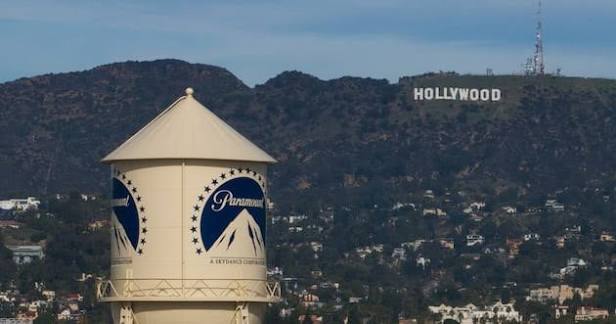
A FIGHT THAT'S GOTTEN PERSONAL
The dispute has already spilled beyond the courtroom filings. Reports surfaced that Paramount had floated the idea of relocating operations out of California if the merger were blocked — a threat Bonta dismissed without hesitation. He called it "a last-ditch effort to try to blackmail my office and the attorneys general into allowing an illegal merger to go through," signaling that the states have no intention of backing down under pressure.
For Warner Bros. Discovery, the merger has been framed internally as a necessary consolidation in an industry being reshaped by streaming economics, where scale increasingly determines who can afford to keep making prestige television and theatrical films. Paramount Skydance has pitched the deal similarly — as a defensive maneuver against tech giants and global competitors rather than an aggressive land grab. The states aren't buying it.
WHAT THIS MEANS FOR VIEWERS
For the average subscriber, the immediate stakes are less abstract than "antitrust theory" might suggest. A combined Paramount-Warner Bros. Discovery would house HBO Max-style streaming alongside Paramount+, CBS, Nickelodeon, MTV, CNN, TNT, and the Warner Bros. film and TV studio — meaning a huge swath of American film and television would sit under one corporate roof. Critics of the deal argue that kind of concentration typically precedes price increases, bundling changes, and a narrowing of the number of distinct creative voices greenlighting new projects, since fewer competing buyers means less competition for shows, less leverage for talent, and fewer places for a canceled series to find a second home.
Supporters of the merger counter that in a streaming landscape already dominated by Netflix, Amazon, Disney, and Apple, only a combined Paramount-WBD would have the scale to compete on production budgets and licensing muscle — meaning blocking the deal could, in their view, leave the resulting standalone companies weaker and more vulnerable to further consolidation or decline down the line.
WHAT HAPPENS NEXT
The case now heads to federal court in California, where a judge will weigh competing claims about market definition, competitive harm, and the deal's actual effect on prices and content output — the classic battleground of modern antitrust litigation. Legal experts note that state-led antitrust suits challenging deals already cleared by federal regulators face a difficult, though not impossible, path; states have successfully blocked or reshaped mergers before, but doing so after a federal green light raises the evidentiary bar.
Warner Bros. Discovery shareholders, who have already voted on aspects of the transaction as reflected in the company's recent SEC filings, are now watching a legal process that could stretch on for months, introducing fresh uncertainty into a deal many assumed was a formality after the federal clearance in June.
For now, the merger remains legally alive but far from settled — and Hollywood's biggest deal of the year has become its biggest legal drama, too. Whatever the court decides, the case is likely to become a reference point for how far state governments are willing to go to check corporate consolidation in an industry that increasingly touches every screen in American life.
Readers who care about where their favorite shows, movies, and news channels end up would do well to keep an eye on this case — the outcome could shape what "watching TV" looks like, and costs, for years to come.



