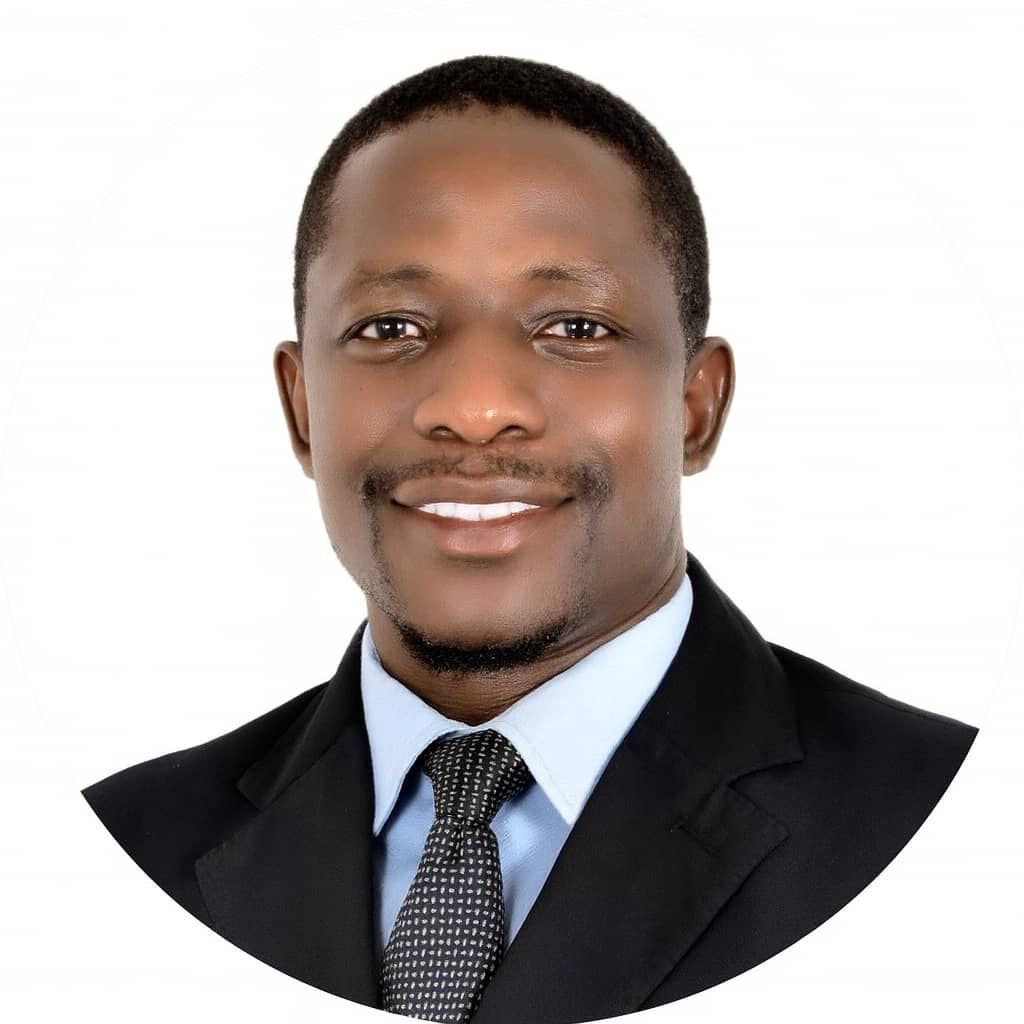
Political power in Uganda has never been lost merely through numbers; it has always been contested through experience, institutional memory, and ideological endurance. For decades, the National Resistance Movement (NRM) faced its most serious threat not from street popularity, but from a class of opposition leaders who were legally grounded, intellectually formidable, institutionally experienced, and deeply rooted in Uganda’s political architecture.
These were not celebrities. They were political craftsmen.
Figures such as Wafula Oguttu, Abdu Katuntu, Beatrice Anywar, Ssemujju Nganda, Elias Lukwago, Winnie Kiiza, Ronald Munyagwa (Mugatti gwa Butter), Norbert Mao, and others across FDC, DP, and UPC built their opposition credentials over years of parliamentary combat, legal activism, committee work, and local government leadership. They understood the Constitution, parliamentary procedure, state coercion, and the psychology of the NRM system. They were not merely opposing Museveni; they were interrogating the state.
Ronald Munyagwa, the former legislator for Kawempe South, exemplified this generation—street-connected yet institutionally fluent. His eventual replacement in the 2021 elections by the late Muhammad Ssegirinya during the People Power wave symbolized not just electoral change, but the displacement of experience by momentum.
Electoral Shifts: From 2021 to 2026
In the 2021 general elections, the National Unity Platform (NUP), led by Robert Kyagulanyi Ssentamu (Bobi Wine), emerged as the largest opposition bloc with 57 parliamentary seats in the 11th Parliament, particularly sweeping central Uganda and urban strongholds like Kampala. At the same time, traditional opposition parties like the Forum for Democratic Change (FDC) held 32 seats, while the Democratic Party (DP) and the Uganda People’s Congress (UPC) each held nine seats, with several independents rounding out representation. In contrast, the ruling NRM maintained a majority with 336 seats nationwide.
By the just-concluded 2026 general elections, these dynamics shifted significantly. NUP’s parliamentary numbers shrank from 57 to around 43 MPs—a net reduction of at least 14 seats—with losses concentrated in Buganda (central) constituencies, where NRM and NRM-aligned independents reclaimed ground. According to recent reports, NRM reasserted dominance in Buganda with around 55 parliamentary seats, compared to 41 for NUP, marking a clear reversal of the 2021 wave.
In regions like Masaka and Greater Buganda, NRM increased its representation. In Greater Masaka, for example, NRM won 17 of 29 seats, up from seven in 2021, while NUP’s seats declined from 11 to around eight. These statistical shifts reveal not only the volatility of party fortunes but also the cost of prioritizing momentum over institutional depth.
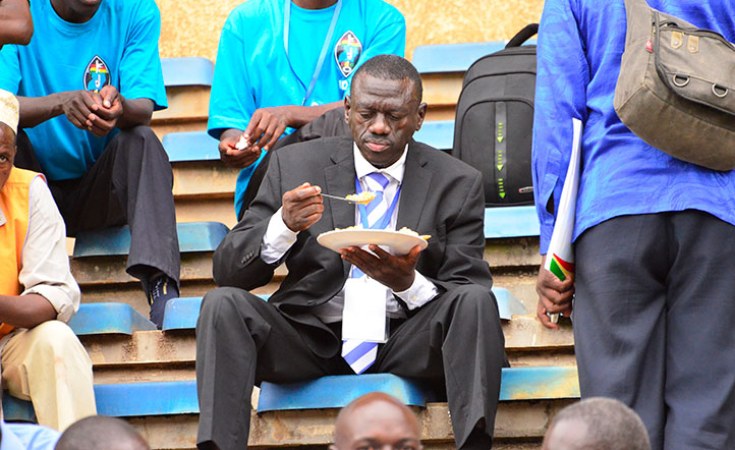
The Opposition That Actually Threatened NRM
At its peak, the opposition—largely under Dr. Kizza Besigye’s leadership—commanded support across almost all regions of Uganda. FDC enjoyed backing that cut across professions: academics, civil servants, medical workers, religious leaders, traders, and even segments of the security establishment. Besigye’s campaigns were not ethnic, cultural, or celebrity-driven; they were ideological and systemic.
In Parliament and local government, opposition figures like Ssemujju Nganda and Elias Lukwago were not symbolic voices; they were strategic disruptors. Lukwago’s career is particularly instructive. A former Member of Parliament and a long-serving Lord Mayor of Kampala, he brought rare dual experience in national legislation and metropolitan governance. In Central Uganda, these leaders denied NRM political comfort—not through slogans, but through institutional resistance.
Enter NUP: Energy Without Infrastructure
The rise of the National Unity Platform injected youthful energy and protest symbolism into Uganda’s politics. However, it also introduced a new opposition culture—emotion-driven, personality-centered, and dismissive of institutional continuity. The People Power wave created panic within opposition strongholds in Buganda during the 2021 elections. Fearing political extinction, several seasoned legislators from DP, FDC, and UPC were compelled to ride the NUP wave—not out of ideological alignment, but survival instinct.
Figures such as Muwanga Kivumbi, Medard Ssegona, Mathias Mpuuga, and others crossed political lines or tactically aligned with NUP, successfully retaining their seats in 2021. Yet this victory carried a hidden contradiction: their political maturity could not coexist comfortably with a movement increasingly dominated by musicians, comedians, and populist impulses. Over time, ideological tension replaced cooperation. Institutional reasoning clashed with crowd politics. Eventually, many of these experienced legislators were politically displaced—not by NRM, but by the very wave they had relied upon.
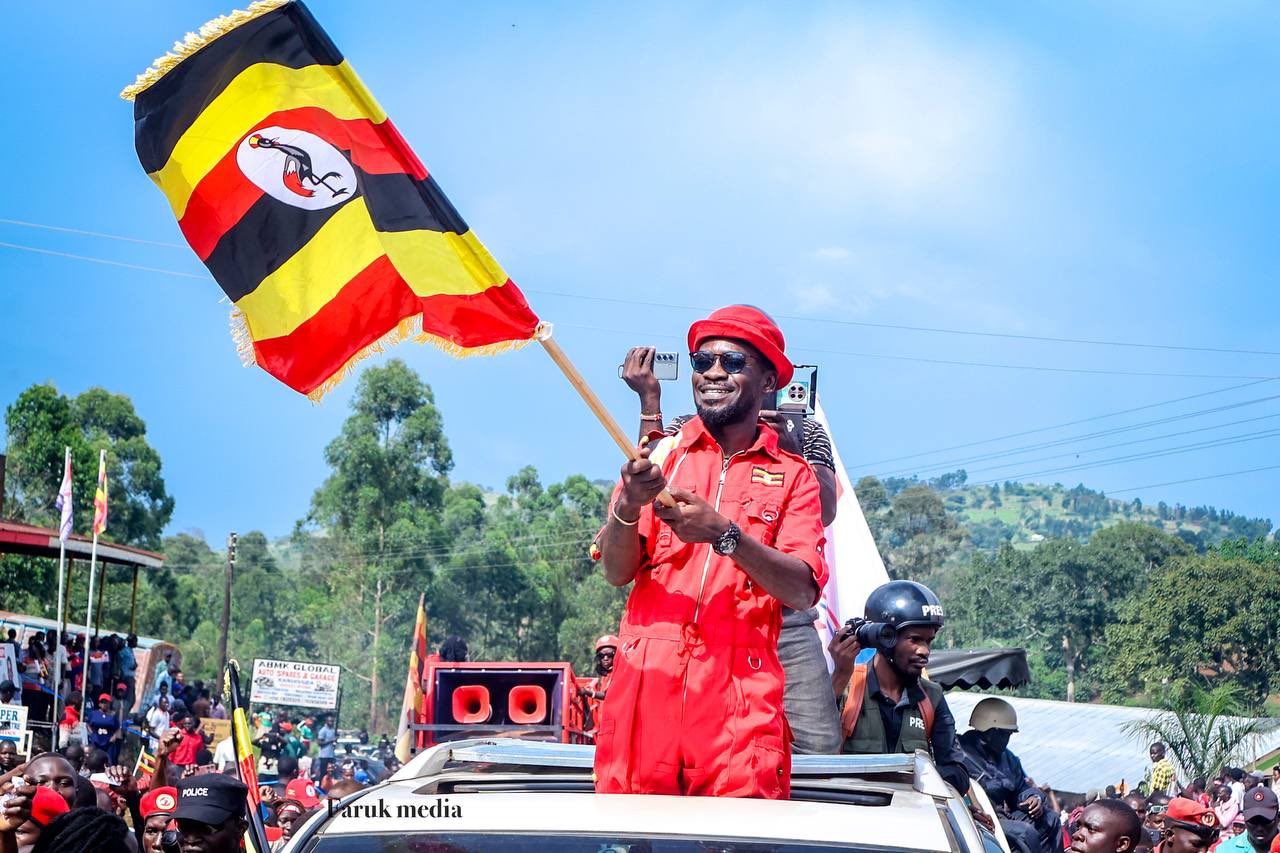
NUP's Kyagulanyi [Photo: Faruk Media]
From Threat to Comfort: Why NRM Benefited
NRM has historically feared three things:
- Legal sharpness
- Institutional memory
- Cross-regional legitimacy
The old opposition had all three. As NUP uprooted seasoned opposition figures and replaced them with largely inexperienced legislators, NRM found itself facing a noisier but weaker adversary. Parliamentary debates shifted from policy scrutiny to protest rhetoric. Committee influence diminished. Strategic litigation declined. NRM did not engineer this outcome. It benefited from it.
The Ssemujju–Lukwago Moment: The Last Nail
The political displacement of Ssemujju Nganda from Parliament and the sustained siege against Elias Lukwago’s leadership symbolized the collapse of an era. These men represented decades of procedural mastery, budgetary interrogation, and constitutional resistance. Their removal erased institutional memory that cannot be replaced by popularity.
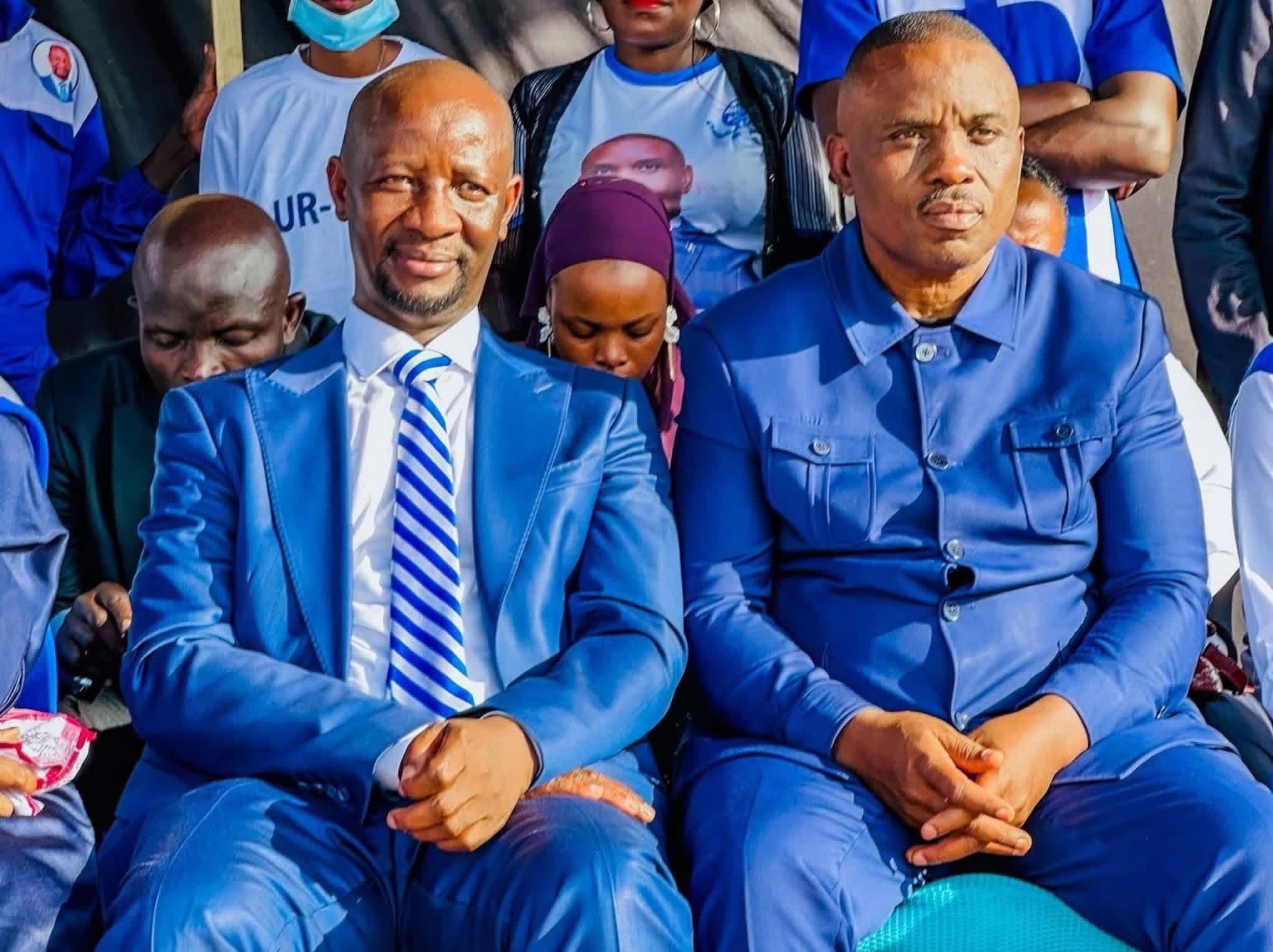
Lukwago and Ssemuju: They represented decades of procedural mastery, budgetary interrogation, and constitutional resistance. ]File: courtesy]
Replacement, Not Transformation
Measured honestly, NUP’s most visible achievement has been the replacement of opposition leaders, not the dismantling of the NRM state. Its internal politics increasingly prioritize loyalty, spectacle, and online relevance over policy coherence and strategic endurance. Analysts and scholars have repeatedly warned that Uganda’s opposition risks devolving from systemic resistance into performative defiance—a transformation that favors an incumbent regime skilled in patience.
The Fragmentation of FDC and the Besigye Vacuum
This decline was accelerated by the disintegration of FDC. Internal fractures, state interference, leadership disputes involving Nandala Mafabi and Patrick Amuriat, and the exit of Mugisha Muntu with a disciplined ideological bloc hollowed out the party. The rise of Robert Kyagulanyi Ssentamu, while energizing the youth, also introduced identity-driven and emotionally charged politics that fractured Besigye’s broad coalition. The result was disorganization rather than consolidation.
The Lone Survivor
In the aftermath, only Betty Nambooze Bakireke remains standing among the old opposition strongholds of Buganda—a testament not to conformity, but to rare political adaptability anchored in grassroots legitimacy and institutional memory.
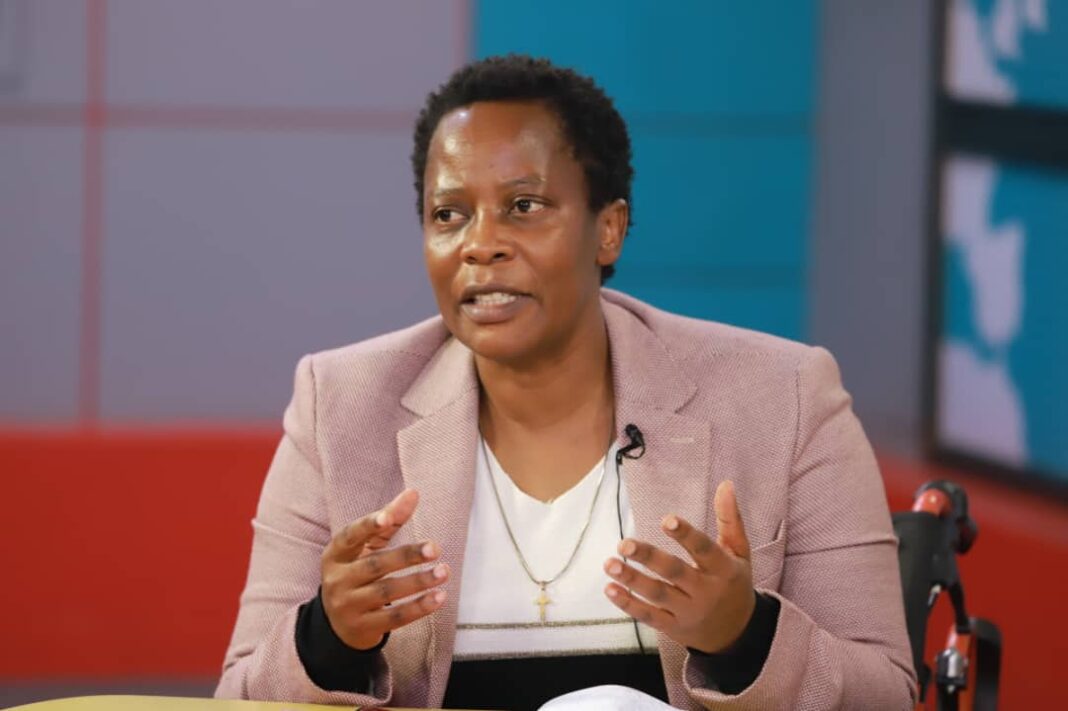
Betty Nambooze. [Courtsey Photo]
Conclusion: The Tragedy of Unintended Consequences
The rise of NUP has altered Uganda’s political aesthetics, but not its power equations. In uprooting seasoned opposition leaders, fragmenting institutional resistance, and mistaking popularity for strategy, the movement has—perhaps unintentionally—strengthened the very system it sought to dismantle. NRM survived not because it reformed, but because its most credible challengers were politically erased by an opposition wave that confused momentum with method. History may yet judge this moment harshly: the season when change spoke loudly, but power quietly consolidated itself.
Author’s Biography
Evan Sande Ndahura is a Ugandan political and legal commentator, columnist, poet, and social justice advocate whose writings focus on governance, constitutionalism, democracy, and the political economy of power in Africa. He is widely published on issues of judicial accountability, electoral justice, human rights, and institutional reform, with a particular emphasis on Uganda’s political and legal systems. Ndahura writes from a Pan-African critical perspective, interrogating the failures of state institutions and the lived realities of ordinary citizens under entrenched systems of power. He believes that the liberation of Africa will occur through the mighty pen, not the gun.
Published By | Features Editor