Written By | Fashion and Design Desk
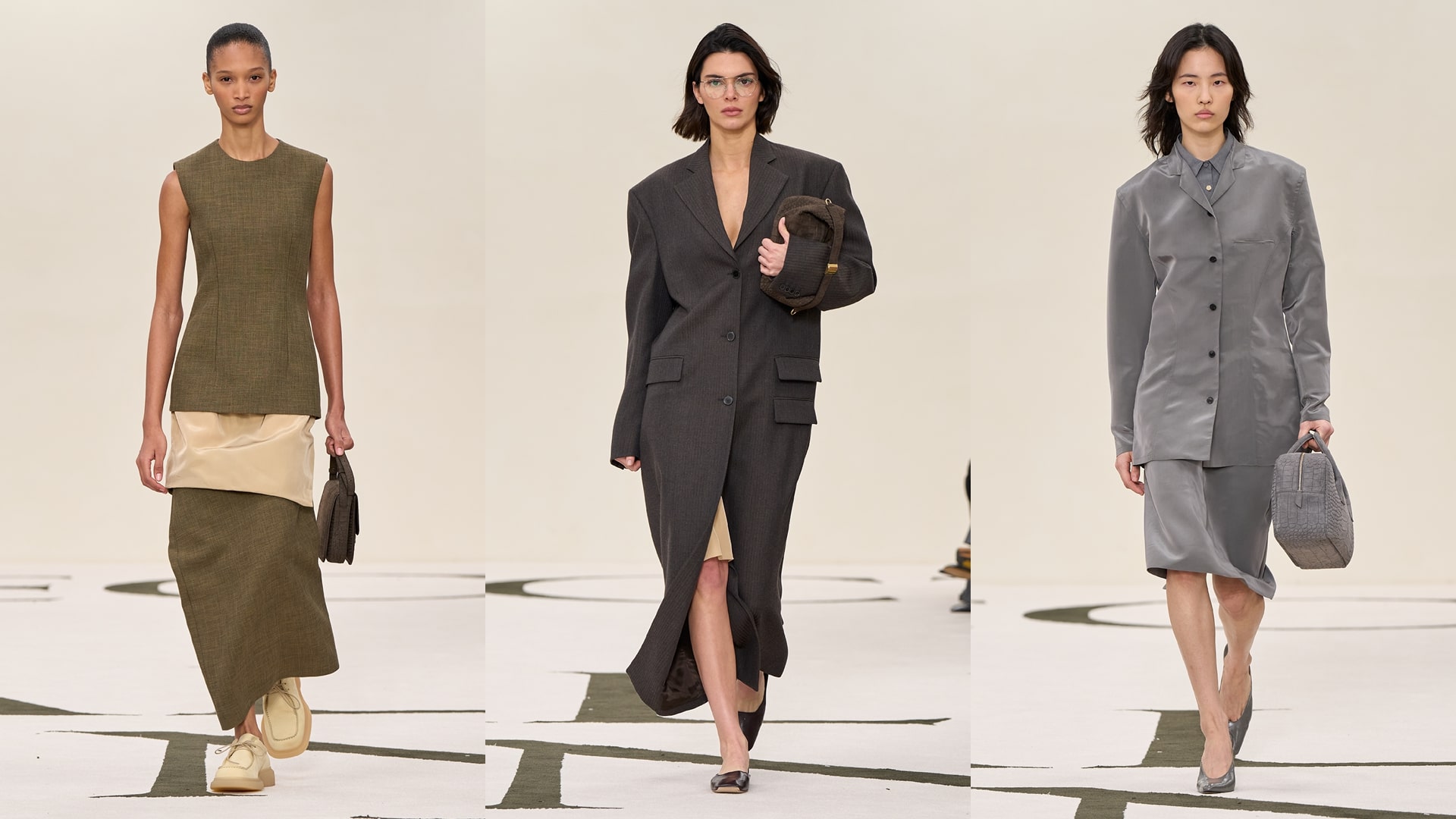
Veronica Leoni returns to the New York runway today with the collection that will decide whether one of American fashion's most expensive revivals was worth attempting.
Veronica Leoni returns to the New York runway today with the collection that will decide whether one of American fashion's most expensive revivals was worth attempting.
NEW YORK
There is a particular kind of pressure that attaches to a fourth collection. The first is a debut, and debuts are forgiven almost anything. The second is a course correction. The third is where critics start using the word "yet." The fourth is where a creative director either has a house or does not.
Veronica Leoni shows her fourth collection for Calvin Klein Collection today, on the second day of a New York Fashion Week that opened on Thursday with Diane von Furstenberg and runs through Tuesday, September 15. The Council of Fashion Designers of America's official calendar lists roughly seventy runway shows and presentations this season. Out of respect for the twenty-fifth anniversary of the September 11 attacks, the CFDA confirmed that today's official schedule would not begin before 10 a.m. — a small adjustment, quietly made, in a city that does not need reminding.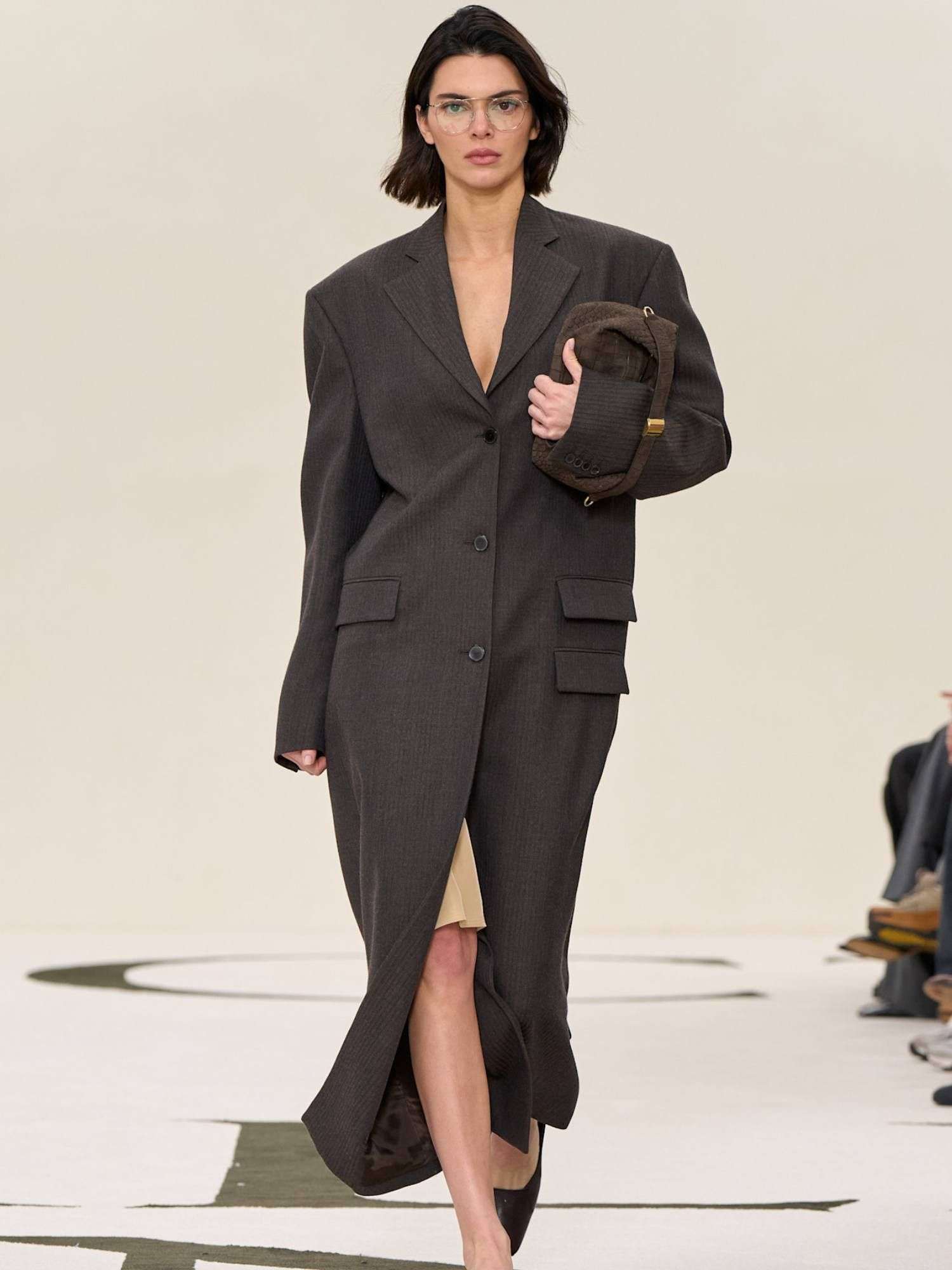
The five-year gap
To understand what is at stake this afternoon, it helps to remember how long Calvin Klein Collection was simply absent.
The last runway show under the Collection name before the current era was in September 2018, the final outing of Raf Simons's short, critically adored and commercially disastrous tenure. PVH, the group that owns the brand, put the Collection line on hiatus in March 2019 and left it there. For five years, Calvin Klein existed in the public imagination almost entirely as underwear, denim and a billboard — a brand with enormous consumer reach and no fashion authority whatsoever.
In May 2024, PVH named Veronica Leoni creative director of Collection. It was a striking choice. Leoni is Italian, not American; she founded the small Milan label Quira; and her CV reads like a tour of the exacting end of European fashion — Jil Sander, Céline, Moncler, The Row. She had never run a house of this scale, and the house she was being asked to run had spent half a decade with the lights off.
Her debut arrived in February 2025, the brand's first show in more than six years. The sophomore collection followed that September at the Brant Foundation in lower Manhattan. The third came this past February.
"Cult of the body"
That third collection is the one everyone will be measuring today's against, because it was the first to genuinely divide the room.
Leoni framed it around what she called the "cult of the body," reaching back to the late 1970s and early 1980s — the period in which Calvin Klein the man became a cultural figure rather than a label, and in which the brand's provocations were still genuinely provocative. She put denim on the Calvin Klein runway for the first time, reconstructed from a pair of 1976 jeans in the archive, which is the sort of gesture that sounds obvious only after someone has done it.
The reception split hard. Wallpaper* judged it comfortably her strongest work for the brand, praising a bolder, more hedonistic register. Others were blunter: the Daily Front Row rounded up a set of reviews unflattering enough to ask, in a headline, whether it was the most hated show of the week. The recurring criticism was not that the clothes were bad but that there were too many ideas competing on one runway — that the clarity which has always been Calvin Klein's actual signature had been traded for range.
Business of Fashion put the question more coolly, in a piece asking simply whether Calvin Klein's Collection strategy is working.
The business behind the runway
That question is not rhetorical, and it is not only about taste.
Calvin Klein Collection is not, on its own, a large revenue line. It is a halo — an expensive, labour-intensive argument that the brand printed on several hundred million waistbands worldwide is a fashion brand rather than a logo. PVH's PVH+ plan, run by chief executive Stefan Larsson, is built on a specific logic: build brand desirability at the top, convert it into pricing power and loyalty across the vast commercial base, carry less inventory, react faster. Collection is the top of that funnel.
The funnel has been under strain. PVH reported revenue down six per cent in a recent quarter and has been rethinking its wholesale approach in Europe. In that context, a runway show is not a vanity item — it is the part of the strategy that has to work first for the rest of it to make sense.
Which means today's collection carries a double burden. It has to satisfy critics who have spent three seasons asking whether Leoni has found the brand's voice, and it has to give a global business something to merchandise, photograph and sell.
What to look for
Three things are worth watching when the images come through this afternoon.
The first is editing. The most consistent charge against the fall collection was excess. A tighter, more ruthless edit — fewer looks, fewer ideas, more repetition of the ones that work — would read as a direct response.
The second is denim. Having broken the seal in February, does Leoni build on it or retreat? Denim is where Calvin Klein's fashion identity and its commercial identity actually overlap, which makes it the most interesting territory she has.
The third is the body. Leoni's stated interest in the brand's late-seventies sensuality is the most genuinely Calvin idea she has advanced. Minimalism alone is available anywhere, and several houses do it better. Minimalism with an edge of provocation is the thing only this label has a historical claim to.
What this means for you
Most people reading this will never buy a Calvin Klein Collection look. That is not the point of it. The point is that what happens on this runway determines, over a two-to-three-year lag, what the brand's much larger and much cheaper lines look like — the cut of the jeans, the shape of a coat, the register of the advertising, the kind of person the campaigns are aimed at.
Revivals of dormant American houses have become one of the industry's defining projects of the decade, and most of them are judged far too quickly. Four collections is not a long time. It is, however, long enough for a pattern to emerge. By tonight, we should be able to see one.