Written By |
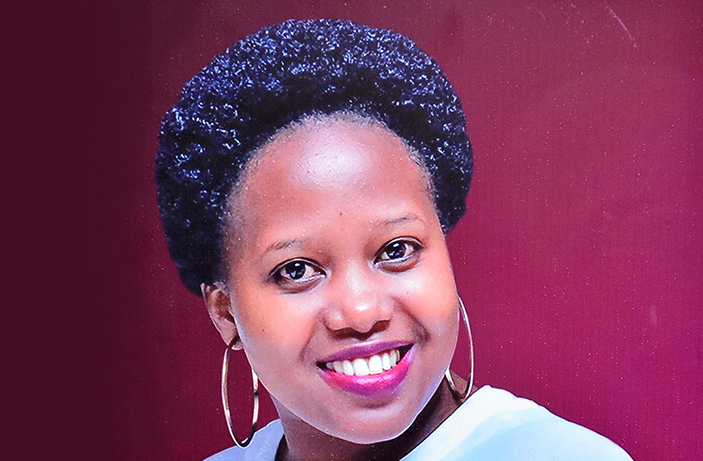
Susan Magara was kidnapped on February 7, 2018. She was killed days later to avoid to avoid exposing the kidnappers
By Our Reporter
The trial of nine individuals accused of kidnapping and murdering Susan Magara, the 28-year-old daughter of businessman John Magara, faced another setback when the trial judge, Alex Mackay Ajiji, declined to step down from the case. When the hearing resumed yesterday after a month-long hiatus, the accused requested Justice Ajiji to recuse himself, claiming he was biased. Muzamir Ssali, speaking on behalf of the group, accused the judge of siding with the prosecution and blocking their lawyers from asking critical questions during cross-examination.
They also accused the judge of refusing to order the African Centre for Treatment and Rehabilitation of Torture Victims (ACTV) to provide certified copies of a report showing they were tortured by security agencies. According to them, this report could lead to their acquittal under the Human Rights Enforcement Act, 2019.
Last month, the court dismissed their application for acquittal based on torture allegations, citing that they filed it against the wrong party, the Director of Public Prosecutions (DPP), and failed to identify who tortured them. Justice Ajiji noted that the application should have been filed against the Attorney General, the government’s principal legal advisor.
Judge's ruling
Justice Ajiji dismissed their request, stating their allegations lacked merit and did not meet the guidelines for judicial recusal. He labeled the accusations as "frivolous" and "vexatious," describing them as an attempt to delay the proceedings. “The allegations you have raised against me are frivolous, vexatious, and an attempt to delay the hearing of the case. This is a very serious matter. Let the hearing proceed,” Ajiji ruled.
The accused include Abbas Musa Buvumbo, Abubaker Kyewolwa, Hajarah Nakandi, Yusuf Lubega, Hussein Wasswa, Hassan Kato-Miiro, Amir Ismail Bukenya, and Mahad Kisalita, a former imam of Usafi Mosque in Mengo-Kisenyi, Kampala. Their legal representation consists of John Kabagambe, Benjamin Wanda, Richard Kumbuga, and Zaina Nabukenya.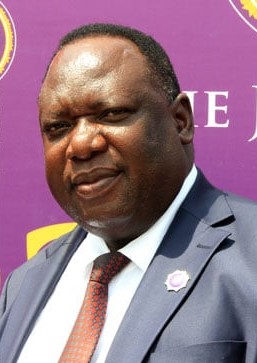
Justice Ajiji declined to step down from the case
Justice Ajiji agreed with the prosecution team, led by chief state attorneys Joseph Kyomuhendo, Sherifah Nalwanga, and Irene Nakimbugwe, that the accused had not presented valid grounds for recusal. The judge emphasized that criminal procedure allows for witness examination by the prosecution, cross-examination by defense lawyers, and re-examination by the prosecution, which had been followed correctly in this case. Regarding the request for the ACTV report, the judge explained that ACTV is a private facility, and he could not compel them to provide the report. He also clarified that the torture claims had already been addressed in court, advising the defense to appeal if they were dissatisfied.
Trial delays
The judge cautioned the accused against employing delay tactics, noting that the case has been in the court system for six years. The hearing is scheduled to resume on Tuesday, September 11, 2024.
The murder of Susan Magara
Susan Magara was kidnapped on February 7, 2018, along Kabaka-Anjagala Road in Mengo, Kampala, as she drove to her home in Lungujja. Her kidnappers demanded a $1 million ransom (about sh3.65 billion) from her family. Despite the family delivering $200,000 (about sh700 million) to the kidnappers, Susan was brutally murdered. Her body was discovered three weeks later on February 27, 2018, in Kigo, Wakiso district. Before her death, the kidnappers sent a video of Susan pleading for her life, along with two of her severed fingers.
The allegations
The prosecution claims that the accused, along with others still at large, kidnapped Susan Magara on February 7, 2018, intending to extract a ransom. The alleged mastermind of the plot, Yakub Byensi, a former Allied Democratic Forces (ADF) combatant from Bunyoro, is still at large. Byensi reportedly knew the Magara family and used insider information to help the kidnappers track and abduct Susan.
The indictment states that Susan was initially taken to Hajarah Nakandi's home in Nateete and later to Amir Bukenya’s home in Konge II, Makindye, where her fingers were cut off and sent to her family as a warning. When the ransom was not fully paid, the decision was made to murder Susan to avoid exposing the kidnappers.
Prosecutors allege that some of the ransom money was used by the accused to purchase land in Mukono district.
Torch Media Africa



