Written By |
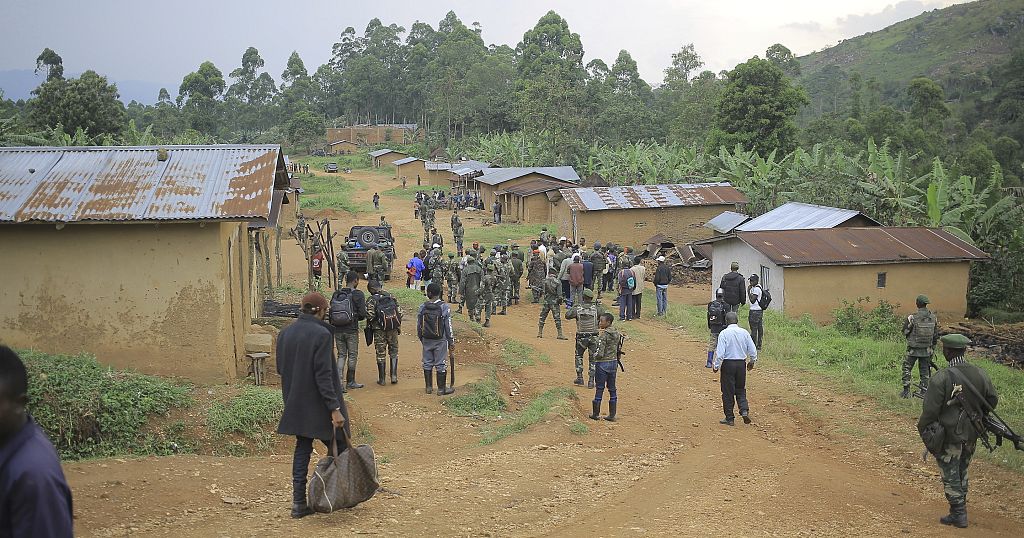
In the Democratic Republic of Congo (DRC), ethnic tensions, resource competition, and weak governance fuel unrest
Africa's persistent conflicts often evoke thoughts of war, political instability, and unrest. Despite numerous peace initiatives, including the African Union’s (AU) 2020 theme “Silencing the Guns,” violence remains widespread. This theme, part of the AU’s Agenda 2063, envisions a peaceful, integrated, and prosperous Africa by the centenary of the Organisation of African Unity (OAU) in 2063. Yet, the path to achieving this vision is fraught with recurring conflicts across the continent.
Conflict Hotspots Across Africa
Southern Africa: A mixed picture
In southern Africa, Mozambique’s Cabo Delgado province has faced an Islamist insurgency fueled by external support from Tanzanian-based groups. While Rwandan troops have established a tenuous peace, deeper issues remain unresolved. Post-election violence continues to pose challenges, as political contradictions go unaddressed.
However, success stories like Botswana, Zambia, and Namibia demonstrate that peaceful transitions and democratic governance are possible. These nations have managed leadership changes through credible elections, offering hope for stability in the region. In 2024 alone, Africa held 22 elections, reflecting democratic progress despite broader challenges like economic stagnation and inequality.
West Africa: Radical insurgencies and political shifts
West Africa is under siege from radical groups like Boko Haram and Islamic State affiliates, which thrive on weak state structures and widespread discontent. Despite Western military efforts, insurgencies in Nigeria, Mali, and Burkina Faso persist. Some nations have turned to Russian forces, including the Wagner Group, signaling a shift in alliances and waning Western influence.
Nigeria, once a regional leader, has struggled with its own conflicts, sapping its ability to lead the Economic Community of West African States (ECOWAS). Recent coups in Mali, Burkina Faso, Guinea, and Niger highlight growing discontent with regional and AU interventions.
Central Africa: Chronic instability
The Central African Republic (CAR) exemplifies the volatility of Central Africa, with over a decade of unresolved internal conflicts. In the Democratic Republic of Congo (DRC), ethnic tensions, resource competition, and weak governance fuel unrest. Although a ceasefire agreement between the DRC and Rwanda offers hope, much work remains to achieve lasting peace.
Eastern Africa: Complex conflicts
Eastern Africa remains one of the continent's most conflict-ridden regions. Somalia struggles with fragmented governance and external interference from Gulf states and other powers. Ethiopia, once a regional peacebuilder, is now mired in ethnic and political turmoil, with tensions in Tigray, Amhara, and Oromia regions destabilizing the country. Meanwhile, Sudan faces escalating internal conflicts, though Kenya has shown progress with peaceful elections despite ongoing challenges.
Common drivers of African conflicts
A World Bank report suggests that Africa’s conflicts stem from poverty, failed institutions, and overreliance on natural resources rather than its ethno-linguistic diversity. Other shared factors include:
Youthful Populations and Rising Aspirations: Africa’s youth are increasingly aware of global opportunities but face barriers such as contested elections and nepotism, leading to unrest.
Election Disputes: While elections are crucial to democracy, they often trigger violence when outcomes are contested.
Economic Stagnation: Limited resources and competition among factions hinder development and fuel instability.
Challenges and the Role of the African Union
The African Union, established in 2002, aimed to resolve conflicts through "African solutions to African problems." However, its mechanisms face challenges:
Selective Interventions: The AU’s Peace and Security Council (PSC) has struggled to address all conflicts consistently.
Underfunded Peacekeeping: Reliance on external donors hampers the AU’s ability to finance and execute peacekeeping missions.
Slow Response: Regional standby brigades, like those in East and West Africa, face delays, forcing reliance on external interventions.
The way forward
Africa's conflicts are deeply rooted in political, economic, and social complexities. Addressing these challenges requires strengthened frameworks, genuine political will, and socio-economic investments.
The AU’s vision for a peaceful and prosperous Africa by 2063 hinges on fostering regional cooperation, promoting economic equality, and combating corruption. By generating employment and providing equal opportunities, Africa can reduce the allure of radicalization and move toward stability.
While the journey is arduous, Africa has the potential to emerge as a global leader in resilience and unity with sustained commitment and cooperation.



