Background
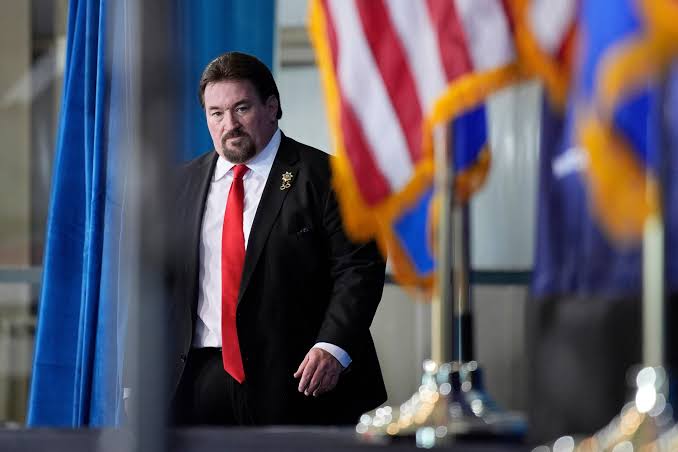
When Joe Biden carried Nevada by more than 33,000 votes over Donald Trump in November 2020, the state's six Republican presidential electors were not seated. That did not stop a group of Nevada Republican Party officials from acting as if they had been. On December 14, 2020 — the same day the state's legitimate electors met to formally cast Nevada's six electoral votes for Biden — six Nevada Republicans gathered outside the state legislature building in Carson City and signed a certificate declaring that Trump, not Biden, had won the state. The group included Michael McDonald, chairman of the Nevada Republican Party; Jim Hindle, the party's vice chair; Jim DeGraffenreid, a Republican National Committeeman; Jesse Law, then chairman of the Clark County Republican Party; and two other party activists, Shawn Meehan and Eileen Rice. The signing ceremony was broadcast online, and the video was later used as evidence against the group.
Nevada's slate was one of seven such 'fake elector' or 'alternate elector' documents produced in contested swing states after the 2020 election — others emerged in Arizona, Georgia, Michigan, Pennsylvania, Wisconsin and New Mexico — as part of a broader strategy, associated with Trump campaign lawyers including Kenneth Chesebro, aimed at giving then-Vice President Mike Pence a pretext to reject or delay certification of Biden's win when Congress met on January 6, 2021.
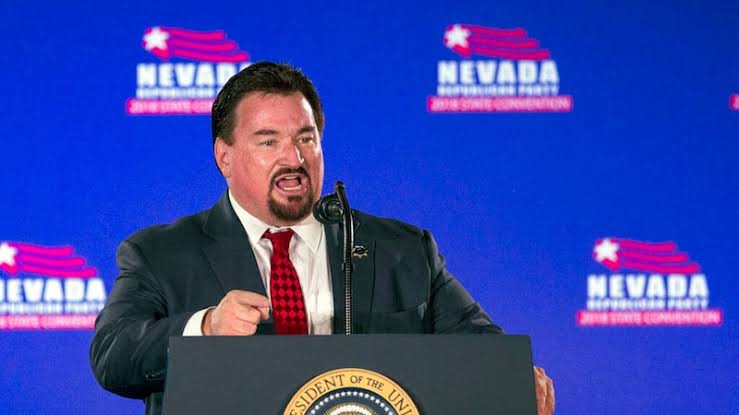
Nevada Attorney General Aaron Ford, a Democrat who is now also running for governor, brought criminal charges against the six in December 2023, accusing them of forgery and of 'offering a false instrument for filing or record,' felonies that carried a potential sentence of up to five years in prison. All six pleaded not guilty. The case bounced between jurisdictions — it was originally filed in Carson City, in Nevada's capital, but Ford's office voluntarily dismissed and refiled it in Clark County, home to Las Vegas and a more Democratic-leaning jury pool, a maneuver defense attorneys criticized as forum shopping.
The Nevada prosecution unfolded alongside a wider, largely unsuccessful national effort to hold 2020 fake electors accountable. A federal case charging Trump himself with conspiring to overturn the election, brought by special counsel Jack Smith, was dropped after Trump defeated Kamala Harris in the 2024 presidential election. State-level fake-elector cases in Michigan and Georgia — the latter part of the sprawling Fulton County racketeering indictment — have also been dismissed or thrown into disarray.
Key Developments
On Thursday, August 13, Clark County District Judge Mary Kay Holthus dismissed the Nevada case in full. In her ruling, Holthus found that prosecutors had not presented sufficient evidence that the six defendants intended to deceive government officials into treating their certificate as legitimate, and separately concluded that the state had failed to disclose exculpatory evidence to the grand jury that indicted them.
Central to the case, from the outset, was the question of intent. Prosecutors argued the electors meant for their certificate to be mistaken for an authentic slate of electoral votes — one that Pence, presiding over the January 6, 2021 congressional count, might count or cite as a basis for delay. The defendants countered that their December 2020 ceremony was, in their attorneys' words, an act of "political theater" intended to preserve their right to challenge the official result while litigation over the election was still pending in Nevada courts, not an attempt to deceive anyone. Holthus sided with the defense, writing that "the fact that Defendants openly announced both their actions and their asserted purpose, rather than concealing their conduct or attempting to secretly induce governmental reliance, weighs against a reasonable inference that they acted with fraudulent intent."
The dismissal makes Nevada the latest in a string of states where a fake-elector prosecution has failed to reach trial. In Arizona, Attorney General Kris Mayes dismissed her office's case earlier this year after losing an appeal in June, though she has said she intends to seek a fresh grand jury indictment before a procedural deadline expires. Michigan's case against its slate of alternate electors has likewise been dismissed. Georgia's racketeering case, which named Trump and more than a dozen allies including several fake electors, has been thrown into disarray by disqualification fights and other setbacks.
Of the seven states where alternate elector slates were organized, only Wisconsin's prosecution remains actively moving forward — and it does not charge the electors themselves. That case targets three lawyers and operatives who organized Wisconsin's slate: Jim Troupis, a former judge who served as Trump's 2020 Wisconsin campaign attorney; Mike Roman, Trump's Election Day operations director; and Kenneth Chesebro, the lawyer widely credited with designing the broader fake-elector strategy. All three pleaded not guilty in June 2026. Trump pardoned Wisconsin's ten electors themselves in November 2025, but because the Wisconsin charges are state forgery charges rather than federal ones, the pardons do not automatically apply to the case, and a judge is weighing defense motions arguing the pardons should lead to dismissal anyway.
Ford's office has said it will appeal Thursday's Nevada ruling to the state Supreme Court. Richard Wright, the defense attorney representing McDonald, called the planned appeal "hasty," "premature" and politically motivated, given that Ford is currently running for Nevada governor.
Reactions
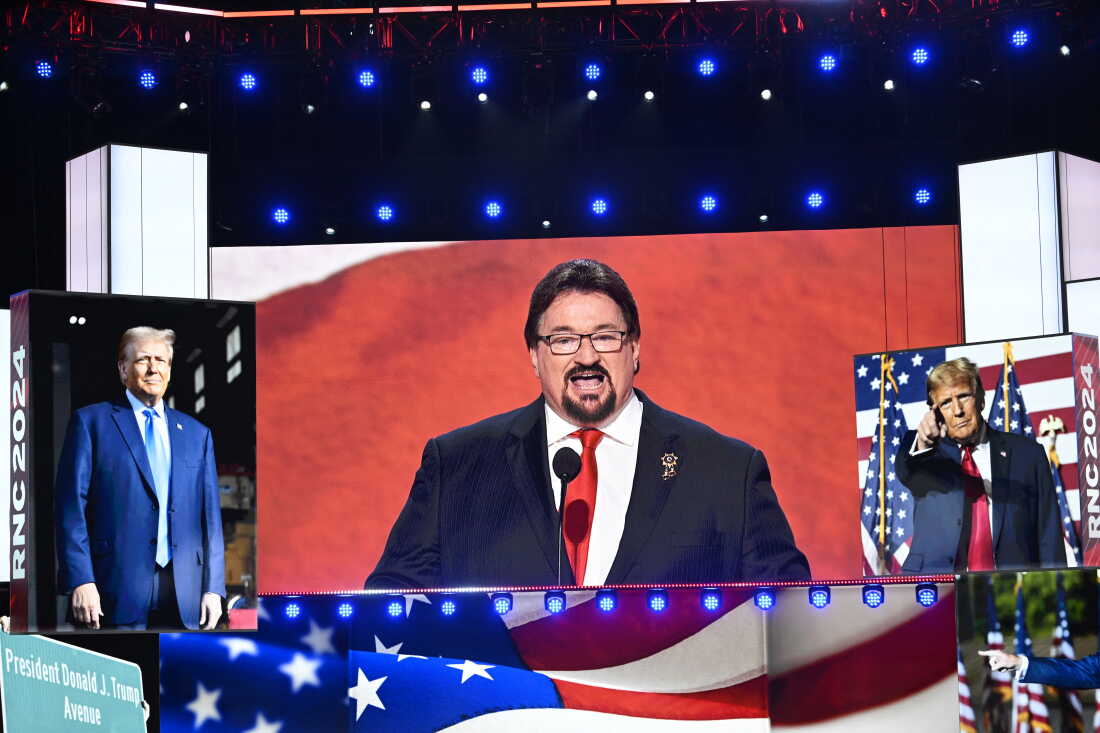
Reaction broke down largely along the same lines that have characterized the fake-elector cases nationally since 2022. Republican officials and conservative commentators pointed to the dismissal — and to the string of similar defeats for prosecutors in Arizona, Michigan and at the federal level — as vindication of their argument that the 2020 alternate-elector ceremonies amounted to protected political expression and contingency planning rather than criminal fraud, with some renewing accusations that the Nevada case, like others, was politically motivated from the start. Wright's characterization of Ford's planned appeal as 'hasty' and 'premature' echoed that broader defense-side framing, explicitly tying the prosecution's persistence to Ford's gubernatorial ambitions.
Democrats and legal-accountability advocates, by contrast, described the ruling as a discouraging setback in efforts to establish legal consequences for the broader 2020 effort to subvert the electoral count, particularly coming on the heels of the federal case against Trump being dropped and similar dismissals elsewhere. Ford's office, in confirming its plan to appeal, signaled it does not consider the matter closed, though the path to reviving felony charges against the six defendants is now considerably narrower given Holthus's findings on both intent and the grand jury process.
The ruling also lands in the middle of Ford's own campaign for governor, giving Republican rivals an opening to argue that his years-long pursuit of the case was as much about political positioning as prosecution, while allies of Ford counter that abandoning the appeal now would effectively concede that no one involved in organizing Nevada's 2020 alternate slate will ever face consequences in state court, regardless of the strength of the underlying facts.
What's Next
The case now heads toward an appeal at the Nevada Supreme Court, where Ford's office will have to persuade justices that Holthus erred both in her assessment of the electors' intent and in her ruling on the state's grand jury disclosures — a high bar given how thoroughly the ruling was reasoned on facts already in the public record, including the electors' own broadcast ceremony.
More broadly, the Nevada dismissal leaves Wisconsin as the last venue in the country where anyone connected to the 2020 fake-elector scheme still faces active prosecution, and even that case does not charge any of the electors themselves. Absent a successful appeal in Nevada or a different outcome in Wisconsin, the multi-year, multi-state effort to hold participants in the 2020 alternate-elector plan criminally accountable will end with zero convictions — an outcome legal observers say will likely shape how future campaigns weigh the legal risk of similar contingency plans in close elections.
Published By | News Editor