Written By | TMA Reporter
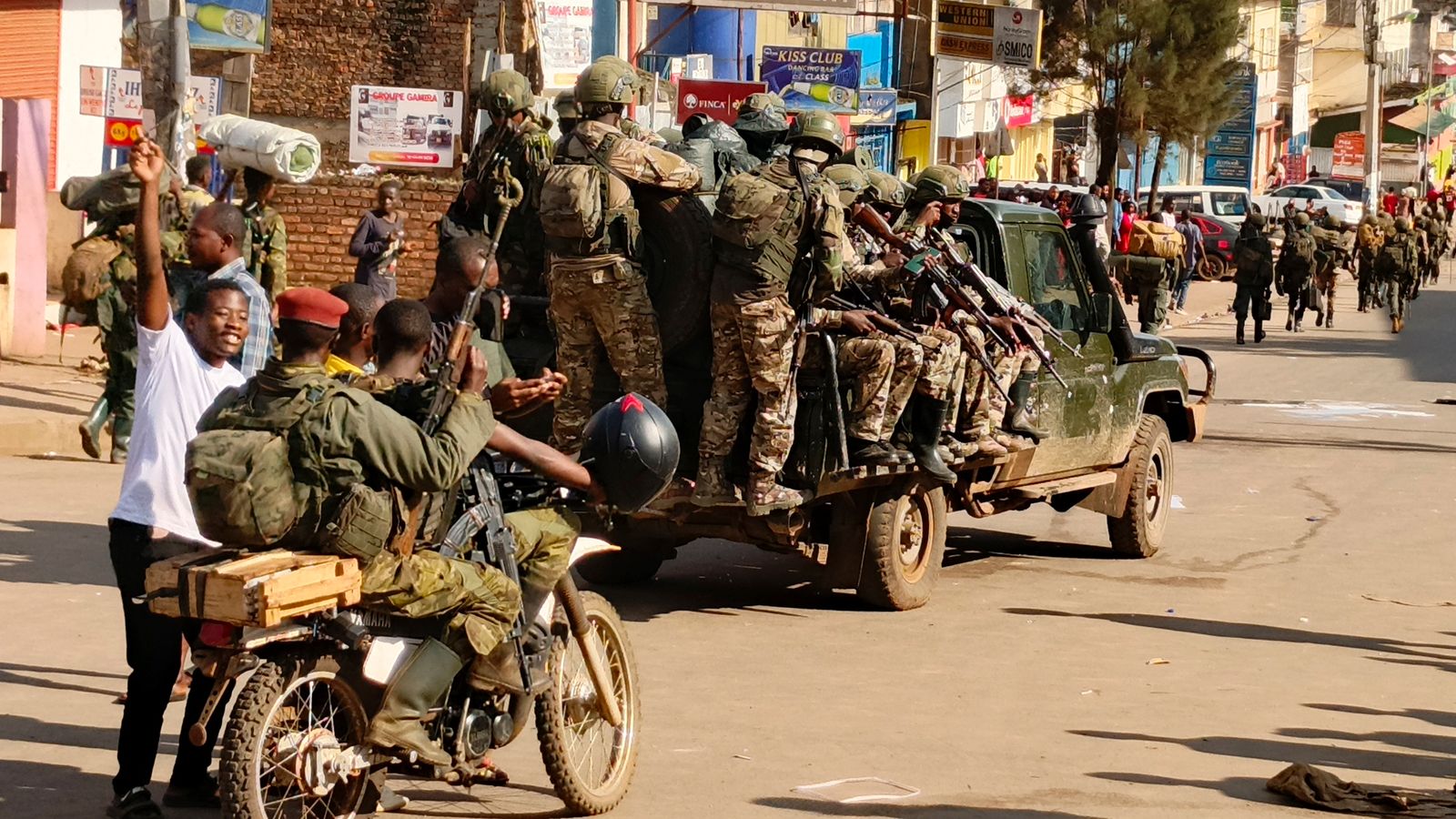
M23 leaving UVIRA
UVIRA
The M23 armed group has announced plans to withdraw from the strategic town of Uvira in eastern Democratic Republic of the Congo (DRC), following a request from the United States, days after capturing the town.
In a statement posted on X on Tuesday, Corneille Nangaa, leader of the Alliance Fleuve Congo (AFC) rebel coalition—which includes M23—said the fighters would leave Uvira, located in South Kivu province near the Burundi border, in response to US mediation efforts.
However, reporting from Uvira, journalists said the situation on the ground remained unchanged as of Tuesday morning, with M23 fighters still present in the town.
Adding that the rebels had previously warned that similar withdrawals had been exploited by the Congolese army and its allies to reclaim territory and target civilians suspected of sympathising with the group.
The Rwanda-backed rebels seized Uvira last week, a move that threatened a US-mediated peace agreement between Kinshasa and Kigali signed only days earlier, as well as a framework peace deal concluded between the rebels and the Congolese government in Doha, Qatar.
The AFC described the planned withdrawal as a “unilateral confidence-building measure” intended to give the Doha peace process the best chance of success. The group called on guarantors of the peace talks to oversee demilitarisation, protect civilians and infrastructure, and monitor the ceasefire through the deployment of a neutral force.
US Warns of Consequences
The Doha framework agreement, signed in November, outlined steps to end the fighting and address the humanitarian crisis in eastern DRC. It followed a declaration of principles signed in July on ceasefire monitoring but did not clearly address the M23’s withdrawal from occupied territories.
Following the capture of Uvira, US Secretary of State Marco Rubio accused Rwanda—despite its denial of backing M23—of violating the Washington Accords signed by Congolese and Rwandan leaders in Washington, DC. He warned that the US would “take action” to ensure commitments made to President Joe Biden were honoured.
Paul-Simon Handy, East Africa regional director at the Institute for Security Studies, described M23’s seizure of Uvira as a negotiating strategy aimed at pressuring the DRC government into territorial and economic concessions. He said the withdrawal announcement was likely driven by strong US reaction.
Handy cautioned that the tactic of capturing territory, announcing withdrawal, and later reoccupying it has been used by M23 in the past.
The takeover of Uvira, situated on Lake Tanganyika, also heightened tensions with neighbouring Burundi, which has long deployed troops in eastern DRC, raising fears of a wider regional escalation in a conflict that has already killed thousands and displaced hundreds of thousands since January.
Torch Media Africa



