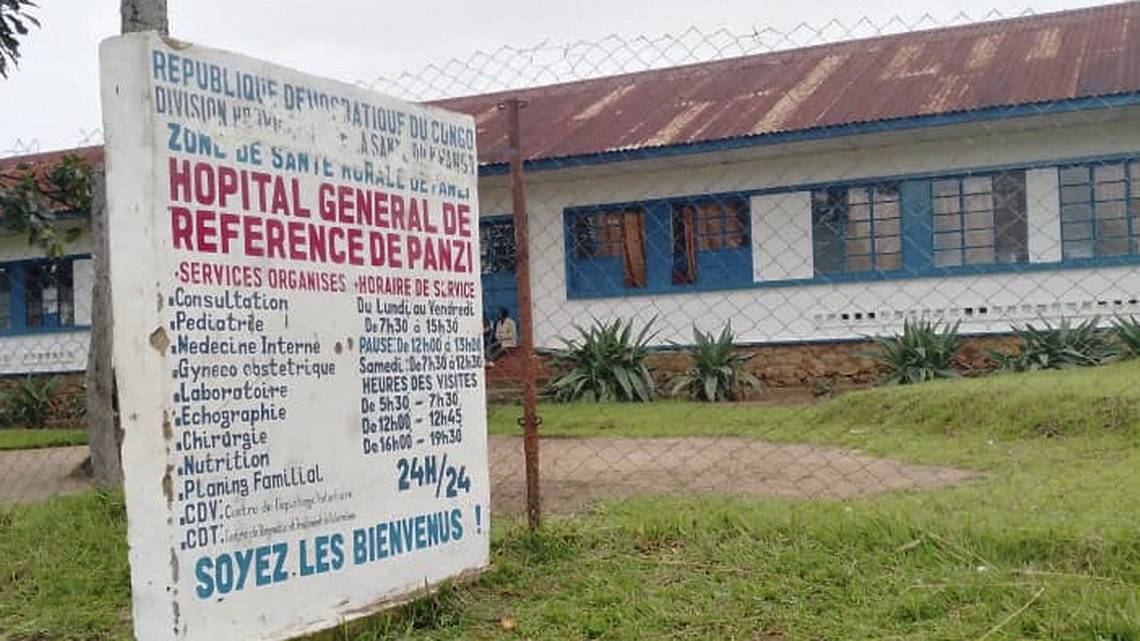
Panzi, DRC - A mysterious illness causing flu-like symptoms and dozens of deaths in southwestern Congo is likely malaria, according to health authorities. The disease has affected 416 people and claimed 31 lives in hospitals, with an additional 44 deaths reported within the community, said Congo's health minister, Roger Kamba. Children under 14 have been disproportionately impacted, particularly in the remote Panzi health zone of Kwango province, an area with limited healthcare resources.
Malaria connection
Dr. Jean-Jacques Muyembe, director-general of the National Institute for Biomedical Research in Kinshasa, said that initial testing showed nine out of 12 samples were positive for malaria, but he cautioned that the quality of the samples was subpar. “Of the 12 samples taken, nine were positive for malaria, but these samples were not of very good quality. We are continuing research to determine if this is an epidemic. However, it is very likely malaria because most of the victims are children,” Muyembe told The Associated Press.
Tedros Adhanom Ghebreyesus, WHO's director-general, also pointed to malaria as a primary cause while leaving room for the possibility of multiple illnesses contributing to the outbreak. Further samples are being collected for analysis.
Symptoms and challenges
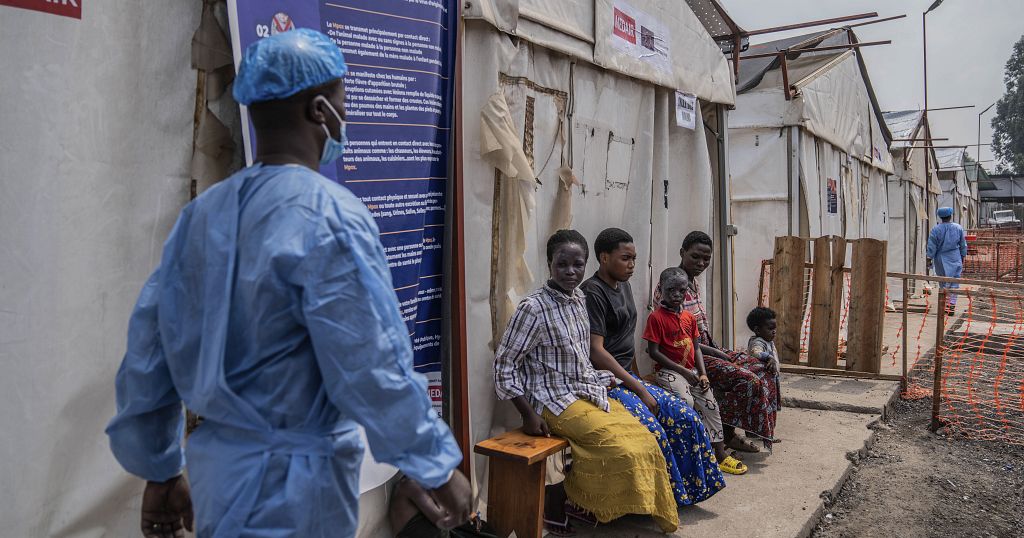
The symptoms linked to the outbreak include fever, headaches, coughing, and anemia, raising alarms about the country's already strained medical infrastructure. Experts from Congo's National Rapid Response Team and the World Health Organization (WHO) have been deployed to Panzi to investigate.
However, logistical challenges have complicated the response. The remote location, more than 435 miles from Kinshasa, delayed the arrival of experts by two days. Testing capacity in the area is minimal, requiring samples to be transported over 310 miles to Kikwit for analysis, said Dieudonne Mwamba, head of the National Institute for Public Health.
Vulnerable population
The Panzi region faces multiple public health crises, including widespread malnutrition, low vaccination rates, and a resurgence of seasonal flu. These conditions have rendered children especially vulnerable.
Panzi resident Ezekiel Kasongo shared his relief after his nine-year-old son, who had suffered from high fever, headaches, and weakness, was recently discharged from the hospital. “We were very worried because of the number of deaths, especially among children. But God be praised, he is out,” Kasongo told the AP.
Ongoing efforts
Health officials continue to monitor the outbreak, with WHO and local authorities working to identify its full scope and severity. While malaria appears to be the primary cause, further research is ongoing to confirm the findings and ensure appropriate interventions.
As the investigation progresses, the outbreak underscores the urgent need for improved healthcare infrastructure and disease prevention measures in remote regions of the Congo.
Agencies
Published By | Dickens Tiharihondijo