LOS ANGELES
For three years, "Ted Lasso" existed in that strange cultural limbo reserved for shows that end well: beloved, occasionally rewatched, and presumed finished. Then, on Wednesday, August 5, Apple TV+ dropped the first episode of a fourth season nobody was sure was actually coming, and the internet's most earnest football comedy is once again a weekly conversation piece. New episodes will roll out every Wednesday through October 7, giving the revival a full 10-episode run — and this time, the sport at the center of the story has changed.
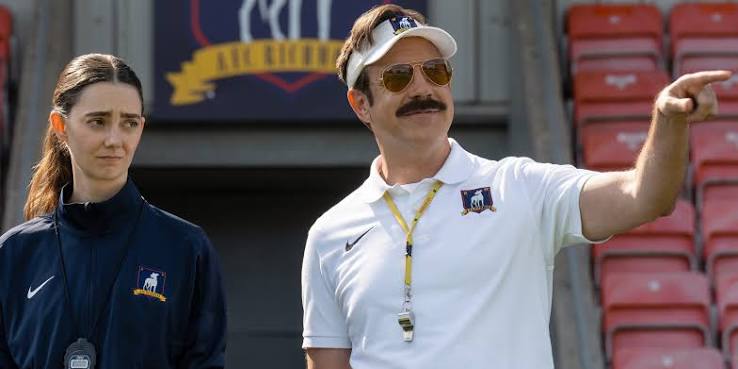
Ted Lasso, still played by series creator Jason Sudeikis, is back in Richmond. But instead of returning to the men's Premier League squad whose fortunes anchored the first three seasons, he's taking on what the show is billing as his biggest coaching challenge yet: leading AFC Richmond's second-division women's football team. It's a structural pivot that could have felt like a gimmick in lesser hands, but early buzz suggests the show has used the shift to say something sharper about the current moment in sports than it managed even in its original run.
The Reluctant Return
What makes the season's arrival more interesting than a simple renewal announcement is how uncertain its two most decorated stars were about coming back at all. Hannah Waddingham, who won an Emmy for her role as club owner Rebecca Welton, has said that when the fourth season was first announced, her first reaction wasn't excitement — it was a question: "Am I in it?" Juno Temple, who plays former model turned PR executive Keeley Jones, described asking her own representatives, half-joking and half-serious, "do you think they want me?"
It's a small detail, but a telling one. "Ted Lasso" ended its third season in 2023 with the kind of tidy emotional bow that usually signals a show is done for good — Ted flew home to Kansas, storylines resolved, Emmys collected. Neither actress assumed the door was still open, which makes their return, alongside original cast members Brett Goldstein, Brendan Hunt and Jeremy Swift, feel less like a contractual formality and more like a genuine creative reunion. Waddingham reprises her role as Rebecca, still running the club; Temple's Keeley remains Rebecca's closest confidante, now navigating her own evolving career.
A New Team, and a New Story to Tell
The season's marquee change is the show's focus on Richmond's women's team, introduced through a roster of new characters including Tanya Reynolds, Jude Mack, Faye Marsay, Rex Hayes, Aisling Sharkey, Abbie Hern and Grant Feely. The first four episodes — titled "Home," "Curiouser and Curiouser," "Richmond's Got Talent" and "Greyhound's Day Off" — suggest the show is easing back into its established rhythm of gentle character comedy layered over genuine emotional stakes, just refracted through a storyline the original series never had the chance to tell.
That choice lands at a moment when women's football has never had a bigger spotlight in either the U.K. or the U.S. The Lionesses' recent tournament runs, the NWSL's growing television deals, and a wave of investment into women's professional leagues on both sides of the Atlantic have made the sport's business and cultural relevance impossible to ignore. A show built entirely around an underdog coach's relentless optimism has, whether by design or good timing, planted itself directly in that conversation. Where the original "Ted Lasso" mined comedy and pathos from a fish-out-of-water American football coach parachuted into the Premier League, the new season gets to ask a related but distinct question: what does it take to build a women's program worth taking seriously, inside a club culture that's historically treated it as an afterthought?

Why Fans Are Watching Closely
For longtime viewers, the appeal isn't just nostalgia — it's whether the show can recapture what made it a cultural phenomenon in the first place. "Ted Lasso" became appointment viewing during the pandemic in part because of its sincerity: a show unafraid to be earnest about kindness, mental health and personal growth at a moment when audiences were hungry for exactly that. Three years and a very different cultural climate later, the show is testing whether that formula still resonates, or whether audiences have moved on to sharper, more cynical fare.
Early reactions suggest the show hasn't lost its emotional register, even as it's clearly aiming for something a little more contemporary. Waddingham and Temple's on-record nervousness about returning has itself become part of the season's marketing narrative, humanizing two performers whose characters became fan favorites precisely because of their vulnerability. It's a savvy bit of framing: the actors' real uncertainty about whether they still belonged in Richmond mirrors the show's central theme of proving yourself in an unfamiliar arena.
What This Means for Viewers
If you were a "Ted Lasso" completist during its original run, the calculus is simple: the show is back, the cast that made it work is largely back with it, and Apple TV+ is clearly betting the format that built the platform's early prestige-comedy reputation still has an audience. If you never finished the original three seasons, the timing might actually work in your favor — a new central storyline focused on the women's team gives newcomers a fresh entry point that doesn't require three seasons of homework, even as it rewards longtime fans with the same cast and setting they left behind.
The Bottom Line
"Ted Lasso" spent its first three seasons proving that kindness could be compelling television. Season four is making a bet that the same philosophy can carry a storyline the original show never got to explore — and doing it with a cast that, by their own admission, wasn't sure they'd get the chance. Ten episodes will determine whether that gamble pays off, but the opening week's reception suggests Richmond's second act is off to a promising start.
Published By | Entertainment Editor